Common Garden Pests and First Steps
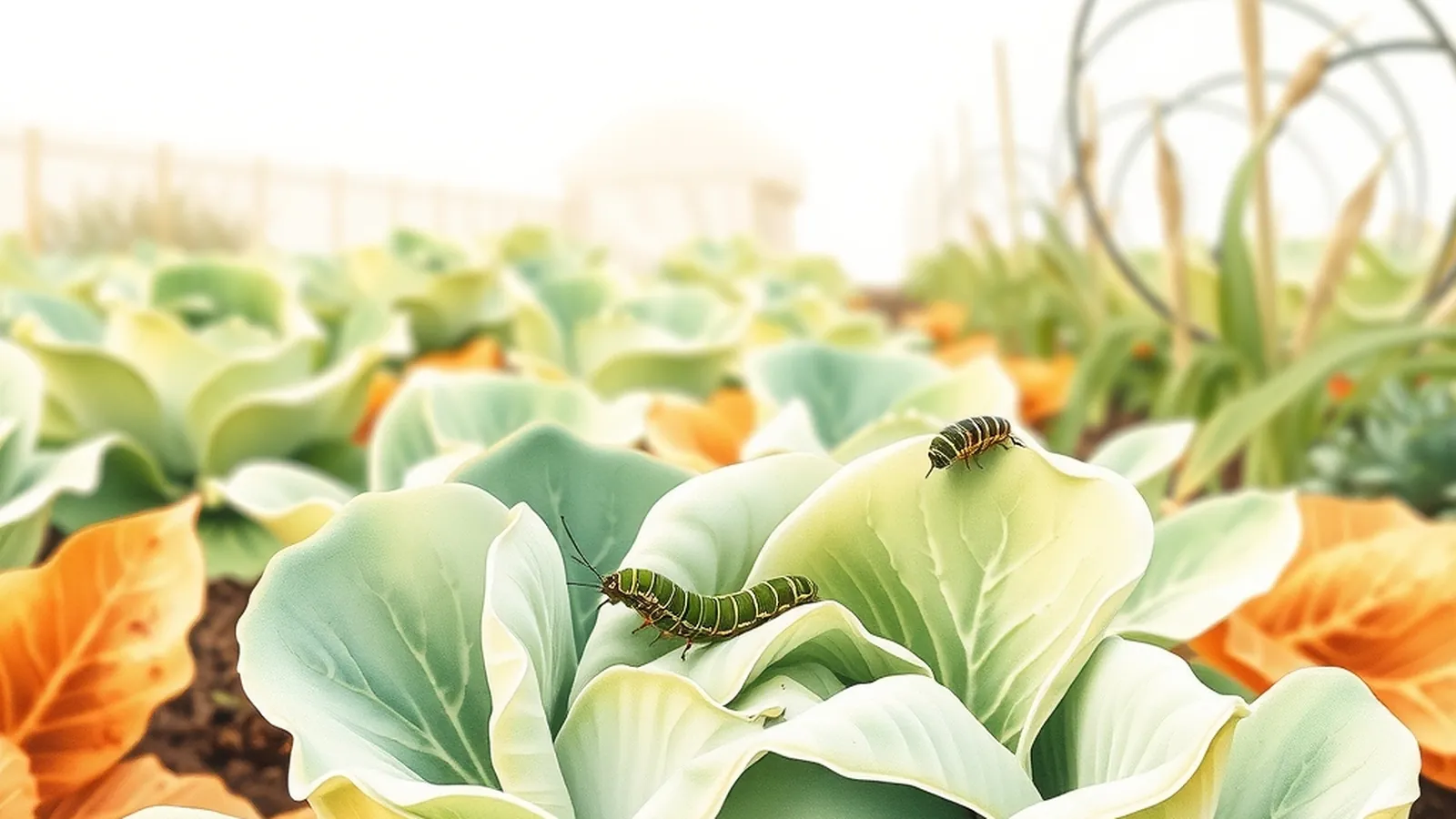
The most common garden pests in US home gardens include aphids, slugs and snails, caterpillars such as cabbage worms and hornworms, beetles, squash bugs and spider mites. You can usually tell which one you have by the damage it leaves and where you find it. For most of them, the first steps are simple: pick them off, block them out, and keep plants healthy.
This guide sits in our Pests & Problems section, which always tries the gentlest fix before anything stronger. Here's how to put a name to the damage and what to do in the first week.
Identify the pest by the damage
Grab a flashlight and a hand lens if you have one. Check plants in the morning and again after dark, since some pests only come out at night.
| What you see | Likely pest | Where to look | First step |
|---|---|---|---|
| Clusters of tiny soft bugs, curled or sticky leaves | Aphids | Tips of new growth, under leaves | Knock off with a strong spray of water |
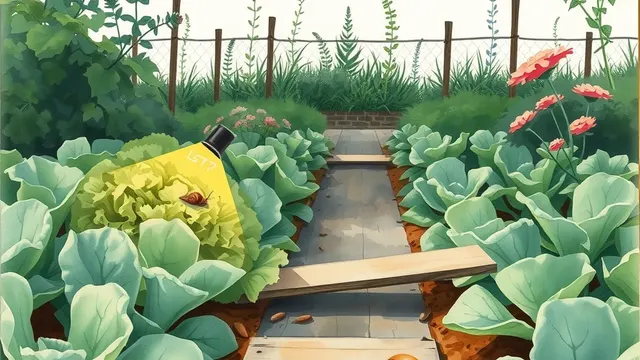
| Ragged holes, shiny trails | Slugs or snails | Under boards, mulch and pots at night | Hand-pick at night, set simple traps |
| Neat holes, green droppings | Cabbage worms and other caterpillars | Undersides of cabbage-family leaves | Hand-pick, cover with row cover |
| Big bites, stems stripped on tomatoes | Hornworms | Along stems, often hard to spot | Hand-pick, check daily |
| Many tiny round holes, like buckshot | Flea beetles | Young eggplant, radish, greens | Row cover on young plants |
| Wilting squash vines, gray-brown bugs and bronze egg clusters | Squash bugs | Under leaves and at the base of plants | Crush eggs, hand-pick adults |
| Pale speckled leaves, fine webbing | Spider mites | Undersides, in hot dry weather | Rinse leaves, keep plants watered |
| Skeletonized leaves, metallic beetles | Japanese beetles | On leaves and flowers, often in groups | Shake into soapy water in the morning |
If nothing on this list matches, take clear photos of the pest and the damage and ask your local Cooperative Extension office. Our guide to free gardening help explains how Extension offices and Master Gardener volunteers can help you identify a pest.
First steps that work for most pests
Hand-picking
Hand-picking sounds old-fashioned, but it's one of the most direct tools you have. Wear gloves if you're squeamish. Drop caterpillars, beetles and squash bugs into a small bucket of soapy water. Check every day or two at first, because eggs keep hatching. Early morning works well for beetles, which move slowly when it's cool.
Barriers
Stopping pests from reaching plants is often easier than removing them later.
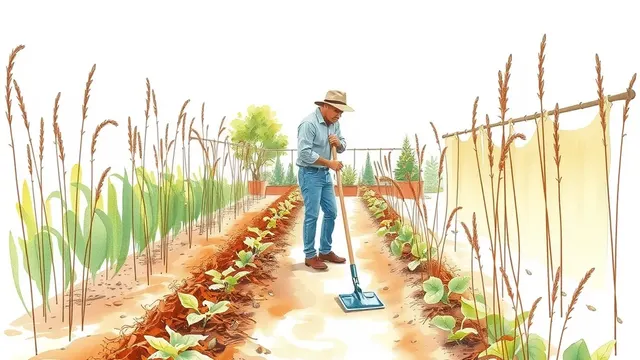
- Floating row cover is a light fabric laid over hoops or right on plants. It blocks flying insects like cabbage moths and flea beetles. Remove it when crops that need pollinators, like squash and cucumbers, start to flower.
- Collars made from cardboard tubes around young transplants help stop cutworms, which chew through stems at soil level.
- Netting or fencing keeps out birds and larger animals.
Cleanup
Many pests hide or lay eggs in debris. Pull spent plants, clear rotting fruit, and lift boards or pots that slugs hide under. If you see eggs on leaves, squash them or remove the leaf.
Strong water spray
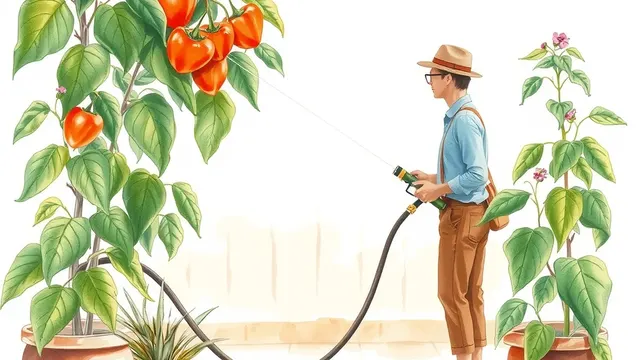
A firm stream from a hose knocks soft-bodied pests like aphids and spider mites off plants. Spray in the morning so leaves dry before evening.
Know which bugs to leave alone
Not every insect is a problem. Lady beetles and their spiky larvae, lacewings, hoverflies, ground beetles and spiders all eat pests. Before you squash something unfamiliar, look it up or ask. Our guide to beneficial insects shows what the helpers look like at each life stage.
When to look deeper
Some pests need their own plan:
- Aphids can come back fast in spring. Our aphids guide covers water sprays, natural predators and insecticidal soap used by the label, because aphids are often the first pest new gardeners meet.
- Slugs and snails need night checks and moisture control. The slugs and snails guide explains traps, barriers and why morning watering matters.
- Weeds give many pests a place to hide and breed. Keeping beds tidy with the steps in our weed control guide cuts down shelter for slugs, aphids and flea beetles.
Squash bugs and squash vine borers deserve a special mention, since they can take out a zucchini plant in a hurry. Our guide to growing squash and zucchini covers spacing, pollination and early checks that help.
Worked example: a first pest walk
Example: Sam, 31, has three raised beds in their first garden. On a Saturday morning they notice holes in the kale and a few wilted squash leaves.
- They flip the kale leaves and find small green caterpillars and dark green droppings. They hand-pick about a dozen into soapy water and drape row cover over the bed.
- Under the squash leaves, they find bronze egg clusters and a few gray bugs. They scrape the eggs off with tape, drop the adults into the bucket, and plan to check again Monday.
- That night, with a flashlight, they spot two slugs on the lettuce and set a board on the path to trap more.
- They write each finding in a notebook with the date.
Nothing here costs much, and Sam now knows exactly which three guides to read next.
Pests change with your region and season
Which pests show up, and when, depends on where you live. Warm southern gardens may see pests nearly year-round, while northern gardens get a burst in late spring and summer. Your local Extension office often publishes a pest calendar for your area that tells you when to start watching for specific insects.
If you do decide to use a product later, choose one labeled for the pest and the plant, and follow the label exactly. Keep products closed and out of reach of kids and pets.
Something to do this weekend
Do two quick walks: one in the morning and one after dark with a flashlight. Write down each plant with damage, what the damage looks like, and any pests you find. Hand-pick what you can, put row cover over the most-damaged bed, and use the table above to decide which guide to read first.
Want a step-by-step plan or guide?
Some people like the structure of a paid guide or set of plans. This button opens a third-party program from one of our advertising partners. Its claims are its own, not ours, so weigh them against our checklist for judging paid plans.
See the partner program →We may be paid when you click. The program shown can change. Read its terms before you buy anything. How this works
Frequently asked questions
How do I figure out what is eating my plants?
Look at the shape of the damage, check under leaves, and visit with a flashlight after dark. Tiny bugs on new growth, ragged holes with slime trails, and neat holes with dark droppings all point to different pests.
Is hand-picking pests really worth it?
For larger pests like caterpillars, beetles, slugs and hornworms, yes. A few minutes every day or two in a small garden can keep numbers down, especially when you start early in the season.
Should I kill every bug I see in the garden?
No. Many insects are harmless or helpful, and some eat the pests you're worried about. Identify a bug before you remove it, and tolerate a little leaf damage on healthy plants.