How to Get Rid of Aphids
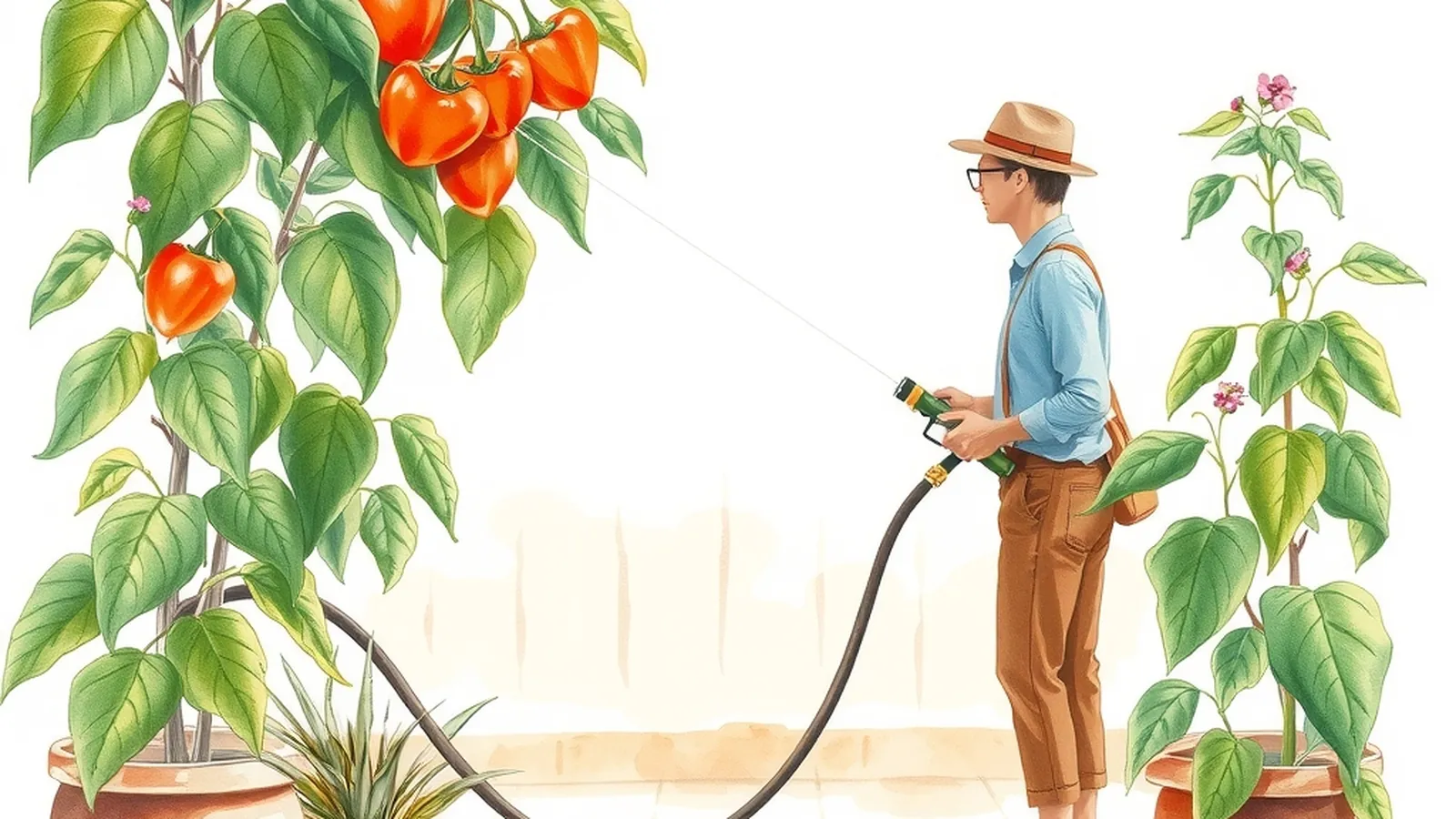
To get rid of aphids, start by blasting them off with a strong spray of water, repeat every few days, and let lady beetles and other predators finish the job. If numbers stay high, an insecticidal soap labeled for aphids and your plant, used exactly as the label says, is a gentle next step. Most healthy plants survive aphids just fine once you get the numbers down.
Aphids are often the first pest new gardeners meet, which is why they get their own page in our Pests & Problems section. Here's how to spot them, how to treat them in order from gentlest to strongest, and how to make your garden less inviting to them.
How to tell you have aphids
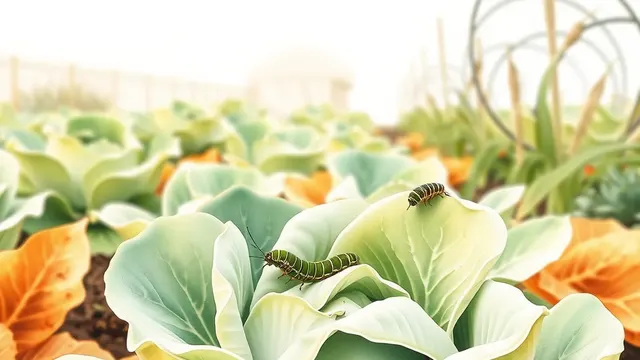
Aphids are tiny, soft, pear-shaped insects, usually green, black, gray, yellow or pink. They cluster on the tips of new growth, flower buds and the undersides of leaves.
Signs to look for:
- Leaves that curl, pucker or turn yellow
- A shiny, sticky coating on leaves or on surfaces below the plant, called honeydew
- Black, sooty mold growing on that sticky coating
- Ants climbing up and down the stems, since ants "farm" aphids for honeydew
- Small white flecks, which are shed aphid skins
If you see tiny bugs in a cluster on new growth, it's very likely aphids. A hand lens makes it easy to confirm.
Step-by-step: getting aphids under control
Step 1: Spray them off with water
Set your hose nozzle to a firm stream and spray the infested stems and the undersides of leaves. Hold delicate seedlings steady with one hand so you don't snap them. Do this in the morning so the plant dries off during the day.
Repeat every two or three days for a couple of weeks. Each round knocks back the adults and the young that hatched since last time.
Step 2: Pinch or prune heavy clusters
If one shoot is coated, snip it off and drop it in the trash. On sturdy plants, you can also rub clusters off with a gloved finger.
Step 3: Let predators work
Lady beetles, lacewing larvae, hoverfly larvae and tiny parasitic wasps all eat or attack aphids. Look for swollen, tan or bronze aphids. Those are "mummies" left by parasitic wasps, and they mean help is already on the way. If you see predators, hold off on any spray for a few days and let them work.
Our guide to beneficial insects shows what these helpers look like and how to invite more of them.
Step 4: Control ants
Ants protect aphids from predators in exchange for honeydew. If ants are marching up a plant, a band of sticky barrier product wrapped around a tree trunk, applied by its label, or simply rinsing ants and aphids off together, can help break the partnership.
Step 5: Use insecticidal soap by the label
If water and predators aren't enough, choose a product sold as insecticidal soap and check that the label lists aphids and your plant. Soap sprays work only on the insects they touch directly, so coverage matters, especially under leaves.
When you use one:
- Read the whole label first and follow it exactly, including how often to spray.
- Test on a few leaves and wait as long as the label says before treating the whole plant.
- Many labels warn against spraying in hot sun or on drought-stressed plants. Check yours.
- Avoid spraying open flowers where bees are working.
- Keep the product closed and stored out of reach of kids and pets.
We don't recommend homemade soap or detergent mixes. Dish soaps aren't made for plants, can burn leaves, and aren't labeled for this use. Our safe pesticide use guide explains why labels matter even for gentle products.
Gentlest to strongest at a glance
| Step | What you do | When to move on |
|---|---|---|
| 1 | Water spray every few days | Numbers still climbing after a week |
| 2 | Prune or rub off clusters | Clusters keep reforming |
| 3 | Wait for predators | Few predators after several days |
| 4 | Break up ant activity | Ants keep returning |
| 5 | Insecticidal soap, by the label | Ask Extension if heavy damage continues |
Worked example: aphids on a pepper plant
Example: Jordan, 28, grows peppers in pots on a patio. In early summer the new leaves look curled and sticky, and there are ants on the stems.
Jordan sprays the plant with a strong stream of water on Monday, Wednesday and Friday mornings, paying attention to the undersides. They snip off one heavily coated shoot. By the next week, they spot a few lady beetle larvae and some bronze mummies. They skip the soap and keep checking. Two weeks later, there are only a handful of aphids left, and the new leaves are coming in flat.
Why aphids show up and how to discourage them
Aphids love soft, fast new growth. A few habits make plants less appealing:
- Feed moderately. Too much nitrogen pushes the tender growth aphids prefer. Follow the rate on the fertilizer label.
- Water steadily. Stressed plants are easier targets.
- Plant flowers nearby. Small blooms like dill, sweet alyssum and yarrow feed adult hoverflies and parasitic wasps.
- Check early in spring. Aphids often show up first when the weather warms. The timing depends on your area and frost dates.
Aphids indoors and outdoors
Aphids also show up on houseplants and indoor herbs, where predators can't help. Indoors, rinse plants in the shower or sink and wipe stems with a damp cloth. Our guide to houseplant pests covers aphids along with fungus gnats, spider mites and mealybugs.
Related problems to rule out
Not every damaged leaf is aphids.
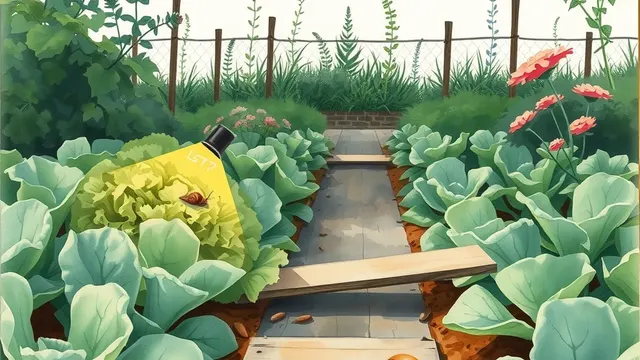
- If leaves have ragged holes and you see slime trails, it's more likely slugs. The slugs and snails guide covers night checks and traps.
- If whole plants are clipped off or vanish overnight, look at the deer and rabbits guide, since larger animals leave very different damage.
- If you're not sure what you're dealing with, start with our common garden pests table to match damage to culprits.
Something to do today
Check the tips of three of your plants and the undersides of their top leaves. If you find aphids, give them a firm spray of water now, then mark your calendar to repeat in two or three days. Look for lady beetles and mummies each time before deciding on anything stronger.
Want a step-by-step plan or guide?
Some people like the structure of a paid guide or set of plans. This button opens a third-party program from one of our advertising partners. Its claims are its own, not ours, so weigh them against our checklist for judging paid plans.
See the partner program →We may be paid when you click. The program shown can change. Read its terms before you buy anything. How this works
Frequently asked questions
What is the fastest gentle way to get rid of aphids?
A strong spray of water from a hose knocks most aphids off plants, and many can't climb back. Repeat every few days for a week or two, and check the undersides of leaves each time.
Why do aphids keep coming back?
Aphids reproduce quickly, and plants pushed into soft, fast growth by heavy nitrogen fertilizer attract them. Steady watering, moderate feeding and a healthy population of predators help keep numbers lower over time.
Can I make my own soap spray for aphids?
We recommend a product sold as insecticidal soap instead, used exactly as the label directs. Household soaps and detergents vary, aren't made for plants and can damage leaves.