How to Get Rid of Slugs and Snails
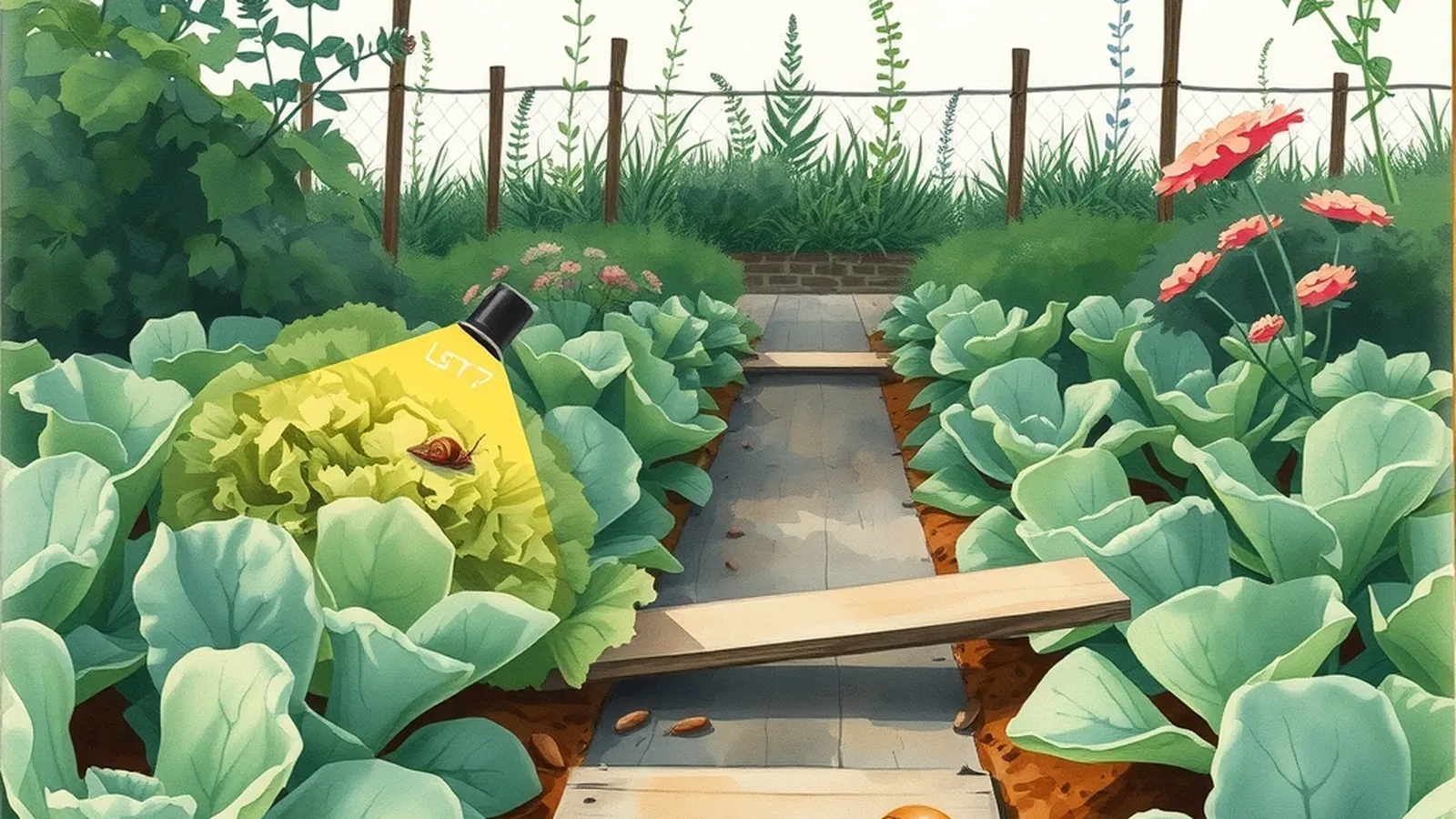
The most reliable way to get rid of slugs and snails is to go out after dark with a flashlight, pick them off, and then make your garden less welcoming with simple traps, barriers and morning watering. No single trick ends a slug problem, but a few steady habits can bring the damage down to a level your plants can live with.
Slugs and snails love the same cool, damp conditions many vegetables like, which is why they're a regular topic in our Pests & Problems section. Here's how to confirm them, remove them and keep them from coming back as often.
Signs of slugs and snails
These soft-bodied mollusks feed mostly at night and on cloudy, damp days. During the day they hide under boards, mulch, rocks, pots and dense leaves.
Look for:
- Irregular, ragged holes in leaves, often starting at the edges or center
- Seedlings that disappear or get chewed to stubs overnight
- Shiny, silvery trails on leaves, soil, pots and paths
- Damage on low leaves of lettuce, hostas, strawberries, beans and young brassicas
Caterpillars also chew holes, but they leave droppings and no trails. If you're unsure, a night check settles it.
Step-by-step plan
Step 1: Do night checks
About an hour or two after dark, take a flashlight, gloves and a container of soapy water. Pick slugs and snails off plants, pots and the soil around them, and drop them in. Damp nights after rain are the best time to catch a lot at once.
Do this every night or two for the first week, then a couple of times a week. Each round removes adults before they lay more eggs.
Step 2: Set simple traps
Slugs look for cool, damp shelter at dawn. Give them one you can check.
- Board traps: lay a flat board or a piece of cardboard on the soil near damaged plants. Lift it each morning and remove the slugs underneath.
- Upturned pots or citrus rinds: these work the same way in small spaces.
- Shallow dish traps: sink a shallow container so its rim is a little above soil level and fill it partway with beer or a mix of water, sugar and yeast. Empty and refill every couple of days. Leaving the rim raised helps keep ground beetles, which eat slugs, from falling in.
Step 3: Add barriers
Barriers don't stop every slug, but they make plants harder to reach.
- Copper tape around raised beds or pots, kept clean and unbroken
- Coarse, dry materials around plants, though they stop working once wet
- Raised beds and containers with clean edges, which keep slugs from hiding next to plants
- Cloches or cut-off plastic bottles over young seedlings, removed as they grow
Step 4: Water in the morning
Slugs move easily on wet soil and leaves. If you water in the morning, the surface has time to dry before night. Water at the base of plants instead of overhead. Our guide to watering a vegetable garden explains deep, less frequent watering that helps roots and makes beds less slug-friendly.
Step 5: Reduce hiding spots
- Pull weeds and lift low, floppy leaves off the soil.
- Keep mulch thin around seedlings until they're sturdy.
- Clear boards, bricks and pots you aren't using as traps.
- Space plants so air moves and the soil dries between waterings.
Step 6: Use baits only by the label
If damage stays heavy, some gardeners use a slug bait. Products vary a lot, and some are hazardous to pets and wildlife. If you choose one, pick a product labeled for slugs and snails around food crops, read the pet and wildlife warnings, and follow the label exactly. Scatter only the amount the label says, never in piles, and store it sealed and out of reach. See our safe pesticide use guide for storage and protective gear basics.
A weekly slug routine
| Day | Task | Time needed |
|---|---|---|
| Monday | Night check with flashlight | 10 to 15 minutes |
| Tuesday | Lift board traps in the morning | 5 minutes |
| Wednesday | Night check, refill dish traps | 15 minutes |
| Friday | Lift boards, check seedlings and barriers | 10 minutes |
| Weekend | Weed, clear hiding spots, water in the morning | 20 to 30 minutes |
After two or three weeks, most gardeners can drop to fewer checks.
Worked example: rescuing a lettuce bed
Example: Priya, 36, finds their new lettuce chewed to the ribs every few days. They head out after dark and find slugs on the leaves and along the bed edge.
They hand-pick them for five nights in a row and lay two boards between rows. They switch from evening watering to early morning, pull weeds along the edge, and put copper tape around the frame. Over the next few weeks, new damage slows down and they start a second sowing of lettuce, now with clean edges and drier evenings.
Slugs, damp weather and disease
The same wet conditions that bring slugs also help many leaf diseases spread. If you see spots, fuzz or powdery coatings along with slug damage, read our plant diseases guide, since better airflow and morning watering help with both problems.
Night checks may also show you other visitors. If whole plants are gone or neatly clipped, it's more likely an animal, and our deer and rabbits guide covers fencing and repellents. If you find tiny clustered bugs on new growth instead, it's probably aphids, and the aphids guide explains the water-spray method.
Invite natural slug eaters
Ground beetles, toads, frogs, some birds and garter snakes all eat slugs. A small dish of water, a few flat stones and a corner left a little wild can make your garden friendlier to them. Avoid broad-spectrum sprays, which can harm these helpers.
Something to do tonight
Take a flashlight and a container of soapy water out an hour after dark. Check the plants with the most holes, the bed edges and under any pots. Count what you find, and lay one board trap before you head in. Check it first thing tomorrow.
Want a step-by-step plan or guide?
Some people like the structure of a paid guide or set of plans. This button opens a third-party program from one of our advertising partners. Its claims are its own, not ours, so weigh them against our checklist for judging paid plans.
See the partner program →We may be paid when you click. The program shown can change. Read its terms before you buy anything. How this works
Frequently asked questions
How do I know if slugs are eating my plants?
Look for ragged holes in leaves, seedlings chewed to stubs, and shiny dried trails on leaves, pots or paths. Check after dark with a flashlight to catch them in the act.
Are slug baits safe around pets?
It depends on the product. Some slug baits are hazardous to pets and wildlife, so read the label for pet warnings before you buy, follow it exactly, and store it well out of reach.
Does watering in the morning really help with slugs?
It helps. Slugs are most active on damp nights, so watering early lets the soil surface dry before evening and makes your garden less comfortable for them.