How to Use Pesticides Safely
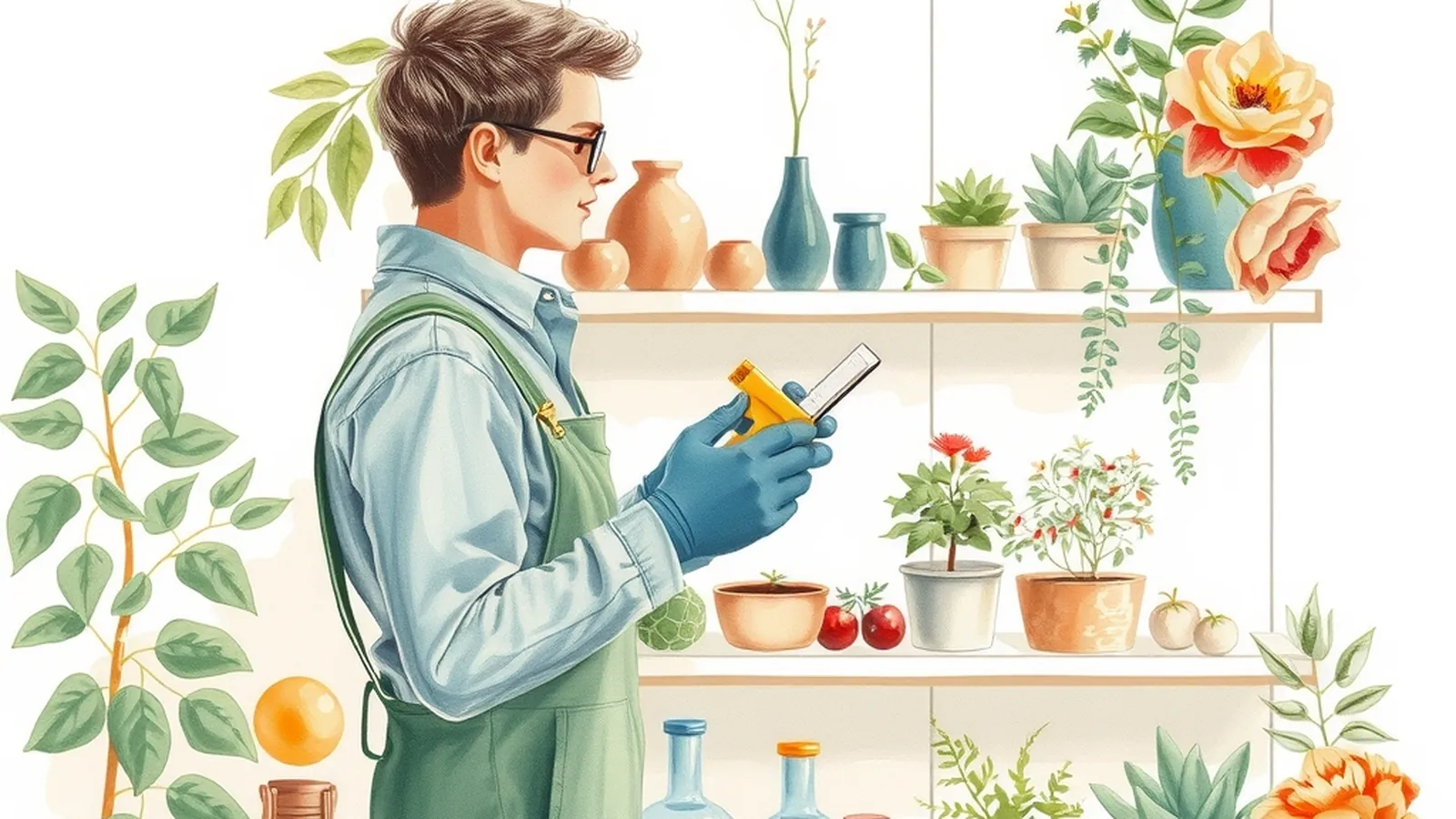
To use pesticides safely, read the entire label before you buy and again before you use the product, then follow it exactly. The label tells you what the product treats, where you can use it, how much, what to wear, how to store it and how to dispose of it. Using a product any other way isn't just risky; it's against federal law.
Products come last on the gentlest-fix-first ladder we use across our Pests & Problems section. When you do reach that step, this guide covers how to do it carefully. This applies to insecticides, fungicides, herbicides, slug baits and repellents, including natural and organic ones.
"The label is the law"
The EPA puts it plainly: the label is the law. Using a pesticide in a way that's inconsistent with its label is a violation of federal law.
In practice, that means you need to follow the label on:
- The target. Use it only on the pests listed.
- The site. Use it only on the plants and places listed. A product labeled for ornamentals may not be allowed on vegetables.
- The rate. More isn't better. Extra product can harm plants, people, pets and wildlife, and it isn't allowed.
- The timing. Some labels set how often you can apply, what weather to avoid, and how long to wait between application and harvest.
- Protective equipment. The label lists what to wear.
- Storage and disposal. The label explains how to store leftovers and get rid of empty containers.
A homemade mixture, or a product moved into another container, has no label at all. That's one reason we never recommend homemade chemical mixes or mixing products together.
How to read a pesticide label
Labels pack in a lot. Read them in this order:
- Product name and type: insecticide, fungicide, herbicide or something else.
- Directions for use: the pests, plants and sites covered, and how to apply.
- Precautionary statements: hazards to people, pets and the environment, including bees and fish.
- Protective equipment: gloves, eyewear, long sleeves and so on.
- First aid: what to do if it gets on skin, in eyes or is swallowed.
- Storage and disposal.
- Re-entry and harvest intervals: how long before people and pets can go back into the area, and how long before you can harvest food crops.
If anything on the label is unclear, call the phone number on the product, or ask your local Cooperative Extension office before you use it.
Before you spray
- Confirm the problem. Water stress looks like many pest and disease problems, so check the soil first using our overwatering vs underwatering guide.
- Try gentler steps first, like those in our common garden pests guide: hand-picking, barriers and water sprays.
- Choose the most targeted product labeled for your pest and plant.
- Check the weather. Many labels warn against applying in wind, before rain or in heat.
Protective gear
Wear at least what the label lists. Common items include:
- Chemical-resistant gloves
- Safety glasses or goggles
- Long sleeves, long pants, closed shoes and socks
- A mask or respirator only if the label calls for one
Wash gloves before taking them off, then wash your hands. Launder clothes worn during application separately from other laundry.
Protect kids and pets
- Keep kids and pets indoors or well away while you apply and until the label's re-entry time has passed.
- Store products in their original containers, tightly closed, in a locked cabinet or high shelf, away from food and animal feed.
- Never put products in drink bottles or food containers.
- Some slug baits and rodent products can be especially hazardous to pets. Read warnings carefully.
- If a pet may have eaten a product or a treated plant, call your veterinarian or the ASPCA Animal Poison Control Center. Our pet-safe houseplants guide lists the number and explains what to expect.
Protect pollinators
- Don't apply to plants in bloom where bees are feeding, unless the label specifically allows it.
- Apply when bees are less active, if the label allows, such as early morning or evening.
- Mow or remove flowering weeds before treating a lawn, so bees aren't drawn to treated blooms.
- Spot-treat instead of covering whole beds.
Storage and disposal
- Buy only what you'll use in a season.
- Keep products in a cool, dry place out of direct sun and away from freezing, as the label directs.
- Never pour leftovers down a drain, into a storm drain or on the ground.
- Follow the label for empty containers, and ask your local waste service about household hazardous waste collection days.
Household products are a separate category
Cleaning products and garden products shouldn't be mixed or stored together. Mixing certain cleaners creates toxic gases. Our guide to natural cleaning explains which combinations to avoid and how to use one product at a time with ventilation.
Be skeptical of "totally safe" claims
Some ads describe a garden product as harmless to everything except pests. Every product has precautions, which is why it has a label. Our guide to red flags in home and garden products explains how to spot claims that don't add up.
A quick safety checklist
| Before | During | After |
|---|---|---|
| Read the whole label | Wear listed gear | Wash gloves, then hands |
| Confirm the pest and plant | Mix and apply only as directed | Store product closed, out of reach |
| Check weather and blooms | Keep kids and pets away | Observe re-entry and harvest times |
| Clear kids, pets and toys | Spot-treat only | Note what, where and when you applied |
Weeds and herbicides
Herbicides follow the same rules, and drift onto nearby plants can damage them. Read our garden weeds guide first, since mulching and hoeing handle most bed weeds without any product.
Something to do today
Gather every garden product you own and check three things: Is it in its original container with a readable label? Is it closed tightly? Is it stored where kids and pets can't reach it? Move anything that fails one of those checks, and take any products you no longer need to a household hazardous waste collection.
Want a step-by-step plan or guide?
Some people like the structure of a paid guide or set of plans. This button opens a third-party program from one of our advertising partners. Its claims are its own, not ours, so weigh them against our checklist for judging paid plans.
See the partner program →We may be paid when you click. The program shown can change. Read its terms before you buy anything. How this works
Frequently asked questions
What does "the label is the law" mean?
The EPA says using a pesticide in a way that's inconsistent with its label is a violation of federal law. That covers where you use it, how much, how often, what you wear and how you store and dispose of it.
Are natural or organic pesticides covered by the label rule?
Yes. Any product sold as a pesticide carries a label, and the same rule applies. Natural products can still harm people, pets, fish or bees if they're misused.
What should I do if someone is exposed to a pesticide?
Follow the first aid section on the label and call Poison Help at 1-800-222-1222. Call 911 for an emergency such as trouble breathing or loss of consciousness. Have the product container with you when you call.