How to Control Weeds in Garden Beds
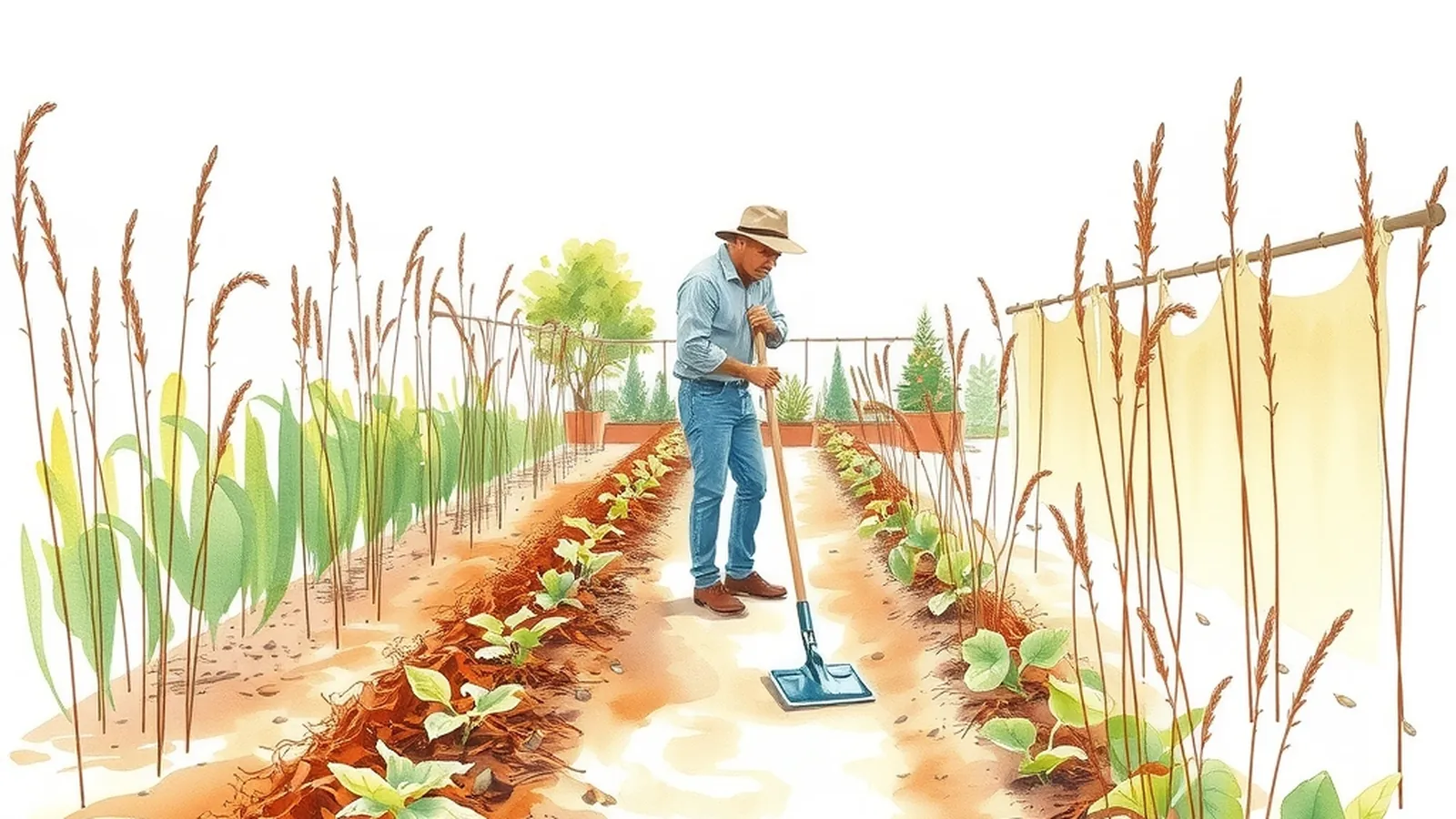
To control weeds in garden beds, cover bare soil with mulch, hoe or pull weeds while they're small, and never let a weed flower and drop seeds. Those three habits, done a little every week, keep most beds manageable without any herbicide. The biggest mistake is waiting until weeds are knee-high and seeding.
Weeds are a regular part of our Pests & Problems section because they compete with your plants for water, light and nutrients, and they give pests a place to hide. Here's a simple plan that works in vegetable and flower beds.
Why weeds matter
- They compete with crops for water and nutrients.
- They shade young seedlings.
- They shelter slugs, aphids and other pests.
- A single weed allowed to seed can fill a bed for years to come.
You don't need a spotless bed. You need weeds kept small enough that your plants win.
Step 1: Cover bare soil with mulch
Mulch blocks light from reaching weed seeds in the soil, so fewer sprout. It also holds moisture and keeps soil cooler.
- Shredded leaves, straw and untreated grass clippings work well in vegetable beds.
- Wood chips or shredded bark suit paths and perennial beds.
- Lay mulch after the soil warms in spring and after you've weeded.
- Keep mulch a little away from plant stems to prevent rot.
- Top it up as it breaks down.
Our guide to garden mulch covers types, depth and when to apply.
Step 2: Hoe young weeds
Weeds are easiest to kill when they're tiny, right after they sprout.
- Use a sharp hoe, such as a stirrup or collinear type, and skim just under the soil surface.
- Hoe on a dry, sunny day so cut weeds dry out.
- Stay shallow. Deep digging brings buried seeds up to the light.
- Go over bare areas every week or so in spring and early summer.
Step 3: Pull larger weeds the right way
- Pull after rain or watering, when soil is soft.
- Grip low, at the base of the stem, and pull slowly to get the root.
- Use a hand weeder or fork for long taproots.
- Wear gloves, especially for thistles and other prickly weeds, and wash your hands after handling unknown plants.
Step 4: Never let weeds go to seed
If you can't get to all the weeds, prioritize the ones that are flowering. Snip off flower heads before they set seed, even if you can't pull the whole plant that day. This one habit makes each year a little easier than the last.
Step 5: Deal with tough perennial weeds
Some weeds spread by roots or runners and come back from small pieces.
- Dig out as much root as you can, then keep removing new shoots. Each time you cut them back, they weaken.
- Avoid tilling these weeds, which can chop roots into many new plants.
- For a heavily infested area, smother it with cardboard and a thick layer of mulch for a season.
- Don't put spreading roots in your home compost.
Learn your most common weeds
You don't need to know every weed by name, but knowing your top three or four makes control much easier. Pay attention to how each one spreads.
- Annual weeds grow from seed, flower and die in one season. Stopping them from seeding is the main goal.
- Perennial weeds come back from roots, bulbs or runners year after year. They need repeated removal of new growth.
- Grassy weeds creep in from lawn edges. A clean edge or a buried border helps keep them out of beds.
Take a photo of an unfamiliar weed and ask your local Cooperative Extension office or a Master Gardener volunteer to identify it. Some weeds are toxic to pets or irritate skin, so identify before you handle large amounts, and wear gloves.
Using herbicides
Most home beds don't need herbicides. If you consider one for a tough weed, choose a product labeled for that weed and the location, and follow the label exactly. Herbicide drift can damage or kill vegetables and flowers nearby, so read the weather and wind cautions. Our safe pesticide use guide explains why the label is the law, plus gear, storage and protecting kids and pets.
A weekly weed routine
| Day | Task | Time |
|---|---|---|
| Any dry morning | Hoe bare soil in one or two beds | 10 to 15 minutes |
| After rain | Pull larger weeds while soil is soft | 15 minutes |
| Weekly walk | Snip any flowering weeds | 5 minutes |
| Monthly | Top up mulch where it's thin | 15 to 30 minutes |
Seasonal weed calendar
Timing depends on your region and frost dates, so adjust to your climate.
- Early spring: Pull overwintered weeds before they flower. Many cool-season weeds bloom early.
- Late spring: Hoe new seedlings weekly as soil warms. Mulch once crops are up.
- Summer: Snip flowering weeds, pull after rain, top up mulch.
- Fall: Clear weeds before they set seed, then mulch or plant a cover crop over bare beds.
- Winter: In mild climates, keep pulling cool-season weeds. Elsewhere, plan beds and order mulch.
Worked example: reclaiming a weedy bed
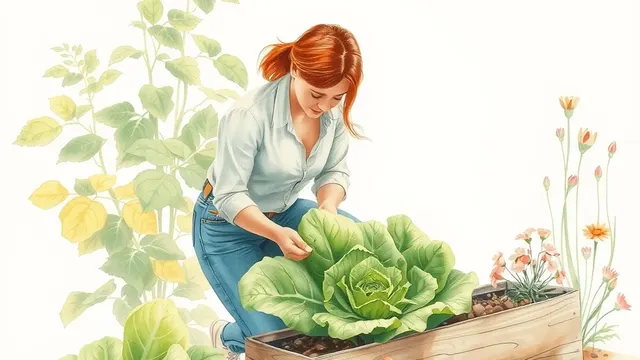
Example: Jamie, 33, moves into a rental with a raised bed full of grass and weeds in early summer.
- They snip off every flowering weed first so nothing else seeds.
- After a rain, they pull the largest weeds and dig out grass runners with a hand fork.
- They lay cardboard over the worst corner and cover it with shredded leaves.
- They plant a few transplants in the cleared area and mulch around them.
- Every Saturday they spend ten minutes hoeing the open soil.
By fall, the bed is mostly clear, and Jamie plans to plant the smothered corner next spring.
Weeds and pests go together
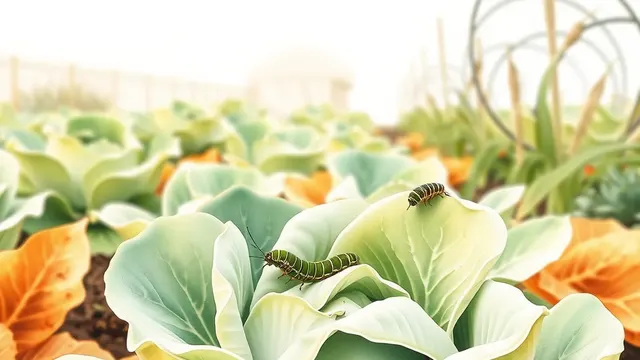
Weeds give pests shelter and food. Aphids often build up on weeds before moving to crops, so clearing weeds near your plants helps. Our aphids guide explains water sprays and natural predators if you spot clusters.
Slugs, cutworms and flea beetles also hide in weedy edges. The identification table in our common garden pests guide helps you figure out who's chewing what once beds are clearer.
Something to do this weekend
Pick one bed. Snip off every weed that's flowering or setting seed, then hoe or pull the rest on a dry day. Cover the bare soil with mulch, keeping it a little away from plant stems. Set a ten-minute weekly reminder to keep it that way.
Want a step-by-step plan or guide?
Some people like the structure of a paid guide or set of plans. This button opens a third-party program from one of our advertising partners. Its claims are its own, not ours, so weigh them against our checklist for judging paid plans.
See the partner program →We may be paid when you click. The program shown can change. Read its terms before you buy anything. How this works
Frequently asked questions
What is the easiest way to keep weeds out of garden beds?
Cover bare soil with mulch and pull or hoe weeds while they're tiny. A few minutes each week does far more than a big cleanup once a month.
Should I pull weeds or hoe them?
Both work. Hoeing is quicker for lots of small seedlings on a dry day, while pulling is better for larger weeds, weeds right next to crops, and weeds with long roots.
Is it okay to put weeds in the compost?
Young weeds without seeds usually compost fine. Keep weeds with seeds or spreading roots out of a home compost pile, since many piles don't get hot enough to kill them.