How to Grow Beans and Peas
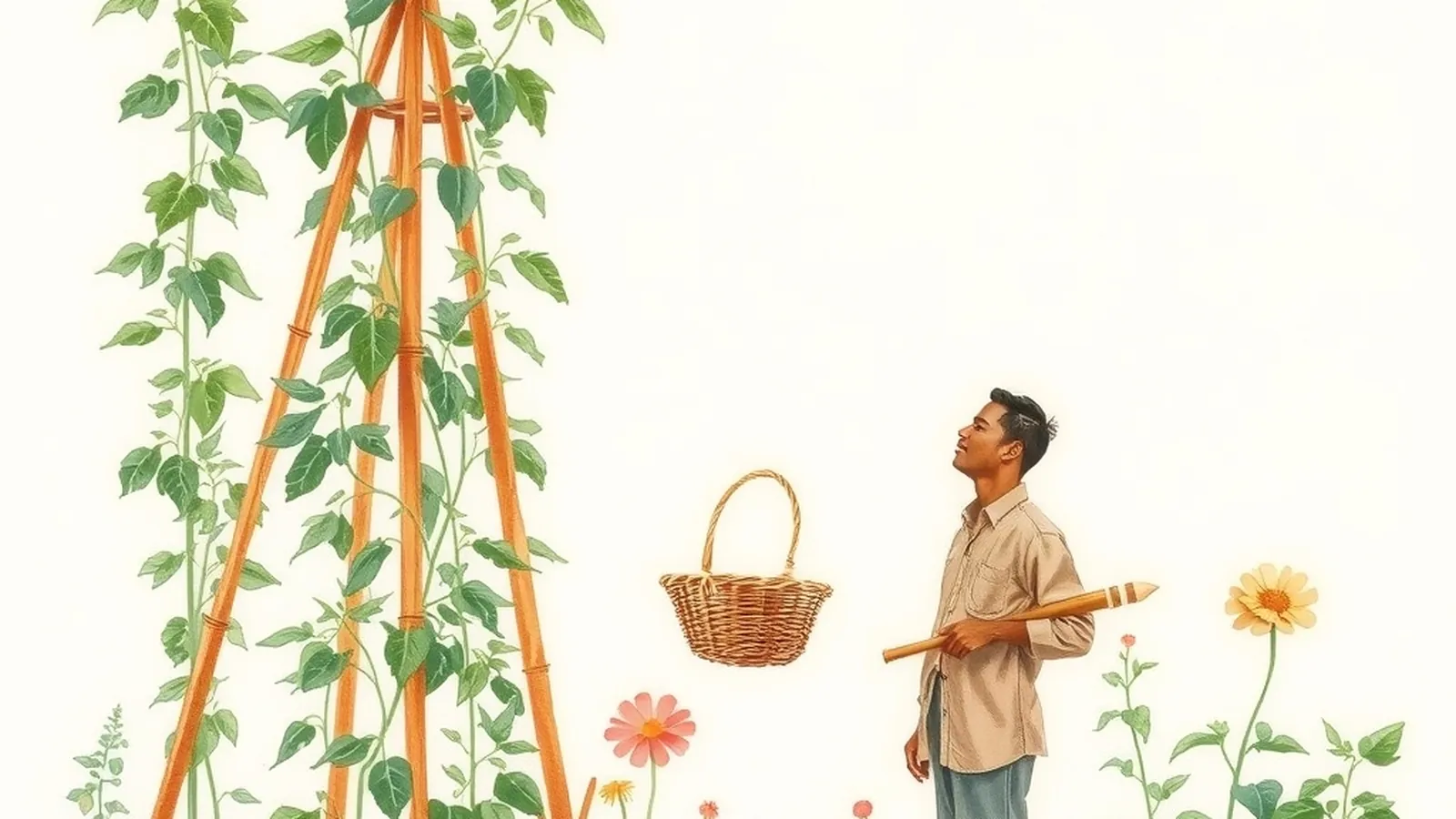
To grow beans and peas, sow seeds directly in the garden at the right time: peas in cool early spring, beans after the last frost when the soil is warm. Choose bush types if you don't want to build supports, or pole and climbing types for more harvest from less ground. Then keep them watered and pick often so they keep making pods.
Beans and peas are among the friendliest crops you can grow from seed. The seeds are big and easy to handle, they sprout reliably in the right conditions, and they don't need much feeding. They're a good fit for nearly any garden in our Vegetables & Herbs section, from a big backyard bed to a balcony railing.
Peas and beans grow at different times
This is the most important thing to know. Peas and beans look like cousins, and they are, but they want opposite weather.
| Peas | Beans | |
|---|---|---|
| Season | Cool: early spring, sometimes fall | Warm: after last frost |
| Frost | Handle light frost | Killed by frost |
| Heat | Stop producing in hot weather | Love warmth |
| Soil when sowing | Cool but workable, not soggy | Warm to the touch |
| Common types | Snap, snow, shelling (English) | Green or snap, wax, dry and shelling beans |
Your timing depends on your local frost dates. Check with your Cooperative Extension office or our planting zones guide for where you live.
Bush vs pole: which to grow
Bush types grow into compact, knee-high plants that stand on their own. They tend to produce a big flush of pods over a few weeks, then slow down. They suit beginners, containers and anyone who doesn't want to build supports.
Pole types (and tall climbing peas) send up long vines that need something to climb. They take longer to start producing but keep going for weeks, and they grow up rather than out. That makes them great for small spaces.
Many pea varieties fall in between: short types that still appreciate a little support to keep pods off the ground.
Simple trellises and supports
Supports don't need to be fancy. A few options:
- Bean teepee: lash three to six tall stakes together at the top and plant a few seeds at the base of each pole.
- Fence or netting: stretch garden netting between two sturdy posts. Peas climb with little tendrils, so they like netting or twine better than thick poles.
- Cattle panel arch: a heavy wire panel bent between two beds makes a tunnel that holds a lot of vines.
- Existing fence or railing: if it gets sun and you're allowed to use it.
Set the support before you plant, or right at planting, so you don't disturb roots later. Our guide to vertical gardening has more ideas for growing climbing crops in tight spaces.
How to plant, step by step
- Check the soil temperature by feel. Peas go in when the soil can be worked and isn't waterlogged. Beans wait until it feels warm, often a week or two after the last frost.
- Loosen the soil and mix in a little compost. Skip high-nitrogen fertilizer; beans and peas work with soil bacteria to get much of their own nitrogen.
- Sow seeds about an inch deep, spaced according to the packet. Plant in rows along a trellis or in a block for bush types.
- Water well once, then keep the soil lightly moist. Very soggy soil can rot seeds before they sprout.
- Protect seedlings from birds and rabbits with a light row cover or netting if they're a problem in your area.
Watering and care
Water deeply at the base when the top inch of soil is dry, especially once flowers and pods appear. A layer of mulch keeps roots cool, which peas especially appreciate as spring warms up.
Gently guide young vines onto the trellis for the first week or two. After that, they'll mostly find their own way.
Succession sowing for longer harvests
Bush beans tend to produce in one burst. To stretch the season, sow a short row every two to three weeks from after your last frost until about midsummer, depending on how long your season runs. Peas have a shorter window, so in many areas you'll get one spring sowing and possibly a second in late summer for fall.
Example: a staggered bean plan
An example of the idea, using a garden with a late-spring last frost. Alex sows a short row of bush beans two weeks after their last frost, a second row three weeks later, and a third row three weeks after that. By the time the first row slows down, the second is starting, and the third carries them into late summer. One teepee of pole beans in the corner produces the whole time.
Harvesting
- Snap beans: pick when pods are slim and firm and snap cleanly, before the seeds inside bulge.
- Snow peas: pick while pods are flat, before peas form.
- Snap peas: pick when pods are plump and crisp but still bright green.
- Shelling peas: pick when pods are full and round; shell and eat soon, since sweetness fades.
- Dry beans: leave pods on the plant until they're dry and papery, then shell.
Use two hands, one to hold the vine and one to pick, so you don't pull plants down. Pick every couple of days. Pods left too long tell the plant to stop making more. Wash before eating.
Beans and peas are also some of the easiest crops for saving your own seed, since many varieties are open-pollinated.
Good neighbors for beans and peas
Herbs like summer savory and dill are traditional bean companions and bring in helpful insects; our guide to growing herbs covers which herbs like the same sunny spot. If you want to understand the old pairing traditions and what research says about them, read our companion planting guide. And pole beans pair well with squash and zucchini, which spread along the ground while the beans climb.
Thinking of buying a garden plan?
Trellis plans and garden layout guides are sold everywhere. Before you buy, read our guide to red flags in home and garden products so you know what to look for.
Something to do this weekend
Find one sunny spot along a fence, wall or bed edge and set a simple support there, even three bamboo stakes tied at the top. When the season is right, you'll be ready to plant on the first nice day.
Want a step-by-step plan or guide?
Some people like the structure of a paid guide or set of plans. This button opens a third-party program from one of our advertising partners. Its claims are its own, not ours, so weigh them against our checklist for judging paid plans.
See the partner program →We may be paid when you click. The program shown can change. Read its terms before you buy anything. How this works
Frequently asked questions
Should I soak bean and pea seeds before planting?
It's optional. A few hours of soaking can speed sprouting a little, but long soaks can damage seeds. Planting into moist, warm-enough soil matters more.
Why are my bean plants flowering but not making pods?
Very hot weather, especially hot nights, can cause blossoms to drop. Dry soil can too. Pods usually form again when temperatures ease, as long as plants get steady water.
Are bush beans or pole beans better for beginners?
Bush beans are a little easier because they don't need support. Pole beans take a trellis but use less ground space and keep producing longer.