Ways to Preserve Vegetables
There are four main ways to preserve vegetables at home: freezing, canning, drying and cold storage. Freezing is usually the easiest place to start, canning gives you shelf-stable jars but demands tested recipes, drying works well for herbs and some fruits and vegetables, and cold storage suits sturdy crops like potatoes and winter squash. The right choice depends on the crop, your space and how you like to cook.
Preserving is where much of the gardening work in our Backyard Homestead section pays off, because it lets you enjoy a summer harvest well past the season.
The four methods compared
| Method | Best for | Equipment | Space needed | Skill level |
|---|---|---|---|---|
| Freezing | Green beans, peas, corn, peppers, berries, greens | Pot, bowls, freezer bags or containers | Freezer space | Beginner |
| Canning | Tomatoes, pickles, jams, sauces; low-acid vegetables with a pressure canner | Jars, lids, canner, tested recipes | Pantry shelves | Intermediate |
| Drying | Herbs, chile peppers, some fruits and vegetables | Air-drying racks or a food dehydrator | Small airtight containers | Beginner |
| Cold storage | Potatoes, winter squash, onions, garlic, some root crops | A cool spot in the house, garage or basement | Shelves, bins or crates | Beginner |
No single method suits everything. Many home cooks use two or three, matched to the crops they grow most.
Freezing: the easiest start
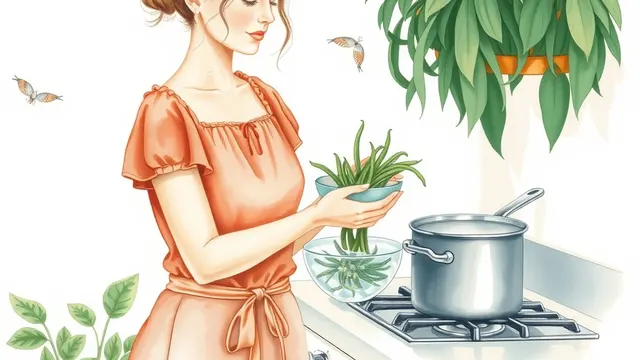
Freezing keeps much of the color and flavor of fresh produce and needs very little special gear. Most vegetables should be blanched first: dipped briefly in boiling water or steam, then cooled fast in ice water. Blanching slows the natural enzymes that otherwise break down flavor, color and texture in the freezer. Each vegetable has its own recommended blanching time, so look it up in tested guidance rather than guessing.
Our guide on how to freeze vegetables walks through blanching, packing out the air, labeling and keeping track of what's in the freezer.
The trade-off: freezer space runs out, and a power outage can put your stash at risk.
Canning: shelf-stable, but only with tested recipes
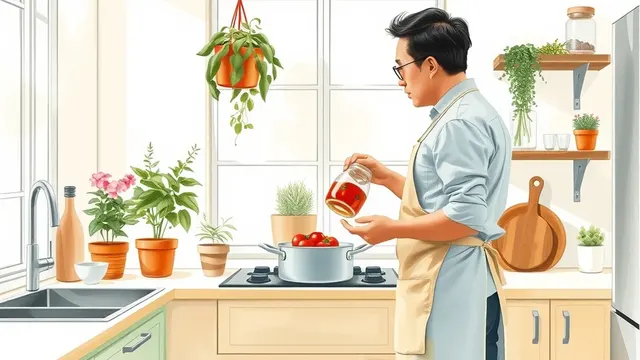
Canning heats food in sealed jars to destroy organisms that cause spoilage and illness, then creates a vacuum seal. Done right, jars can sit on a shelf instead of in the freezer. Done wrong, it can be dangerous.
The key safety point in brief: high-acid foods such as most fruits, jams and pickles can go in a boiling water bath, while low-acid foods such as most plain vegetables must be pressure canned to prevent botulism. Always follow a tested recipe from the USDA or the National Center for Home Food Preservation, including its processing time. Our canning basics guide covers this in full and explains why you should never adjust times or ingredients on your own.
Drying: small batches, small storage
Drying removes enough water that spoilage organisms can't grow easily. Herbs are the easiest and most forgiving place to start: bundle them, hang them somewhere warm, dark and airy, and store them once they crumble. A food dehydrator gives more control for fruits, peppers and vegetables. Dried food takes very little shelf space, which makes it a good match for apartments.
Dried food must be truly dry before storage. Any moisture left behind can lead to mold.
Cold storage: the low-tech option
Some crops simply keep for a while if you give them the right conditions and handle them gently. Generally:
- Potatoes like cool, dark, fairly humid conditions. Light turns them green; don't eat green parts.
- Winter squash and pumpkins keep best somewhere cool and dry after curing, away from frost.
- Onions and garlic need to be cured first, then stored somewhere cool, dry and airy.
- Carrots and beets need cool, humid conditions, which many homes don't have, so many people freeze them instead.
Sort crops before storing them and use any bruised or damaged ones first. Check stored produce every week or two and pull anything that's softening, sprouting or rotting before it spreads.
Picking a method for each crop
Ask three questions for each crop you grow a lot of:
- How will I use it later? Frozen peppers are good for cooking but turn soft, so they won't replace fresh ones in a salad.
- Where do I have room? A small freezer favors drying, canning or cold storage.
- How much time will I have at harvest? Freezing a few bags takes far less time than a canning session.
Example (fictional): Riley grows tomatoes, green beans, basil and potatoes in a small yard. They freeze green beans in meal-sized bags, can crushed tomatoes using a tested recipe from the National Center for Home Food Preservation, dry basil in bundles in a spare closet and keep potatoes in a cardboard box in a cool, dark corner of the basement.
Food safety for every method
- Start with fresh, healthy produce and wash it well under running water before preserving.
- Keep your hands, counters and tools clean.
- Label everything with the contents and date.
- When in doubt, throw it out. Never taste food that looks, smells or seems spoiled, and never use a canned jar with a bulging lid, leaks or spurting liquid.
Your local Cooperative Extension office is a good place to ask food preservation questions. Many offer classes during harvest season.
Making room to store it all
Preserved food is only useful if you can find it. Our guide to organizing a pantry explains how to group jars and dried goods, label shelves and rotate older items to the front so they're used first.
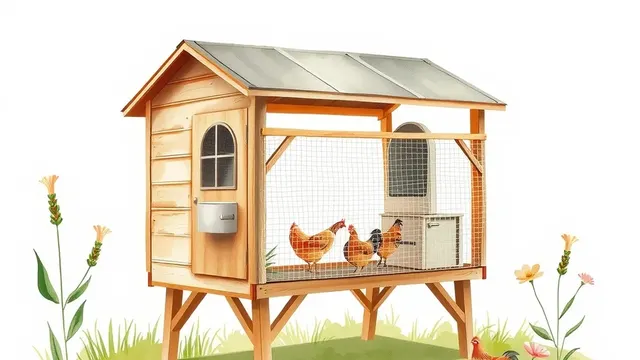
If you also keep hens, preserving often happens alongside egg collection and coop chores in late summer. Planning your coop with easy access, as described in what a chicken coop needs, keeps the daily animal work short on busy kitchen days.
Something to do this weekend
Make a two-column list: the crops you grow or buy most, and the method that best fits each one from the table above. Then check how much free space you have in your freezer and on a pantry shelf, and plan your first small batch around that space.
Want a step-by-step plan or guide?
Some people like the structure of a paid guide or set of plans. This button opens a third-party program from one of our advertising partners. Its claims are its own, not ours, so weigh them against our checklist for judging paid plans.
See the partner program →We may be paid when you click. The program shown can change. Read its terms before you buy anything. How this works
Frequently asked questions
What is the easiest way to preserve vegetables?
For most beginners, freezing is the simplest place to start. It needs little special equipment, and many vegetables freeze well after a quick blanch. Follow tested guidance for blanching each vegetable.
Is it safe to can vegetables at home?
It can be, if you follow a tested recipe exactly. Most vegetables are low-acid and must be pressure canned to prevent botulism. Use recipes from the USDA or the National Center for Home Food Preservation only.
Which vegetables store well without any processing?
Some sturdy crops, such as potatoes, winter squash, onions and garlic, can keep for a while in cool, dry or cool, humid conditions, depending on the crop. Check them often and use any that start to soften or sprout.