How to Grow Herbs Indoors
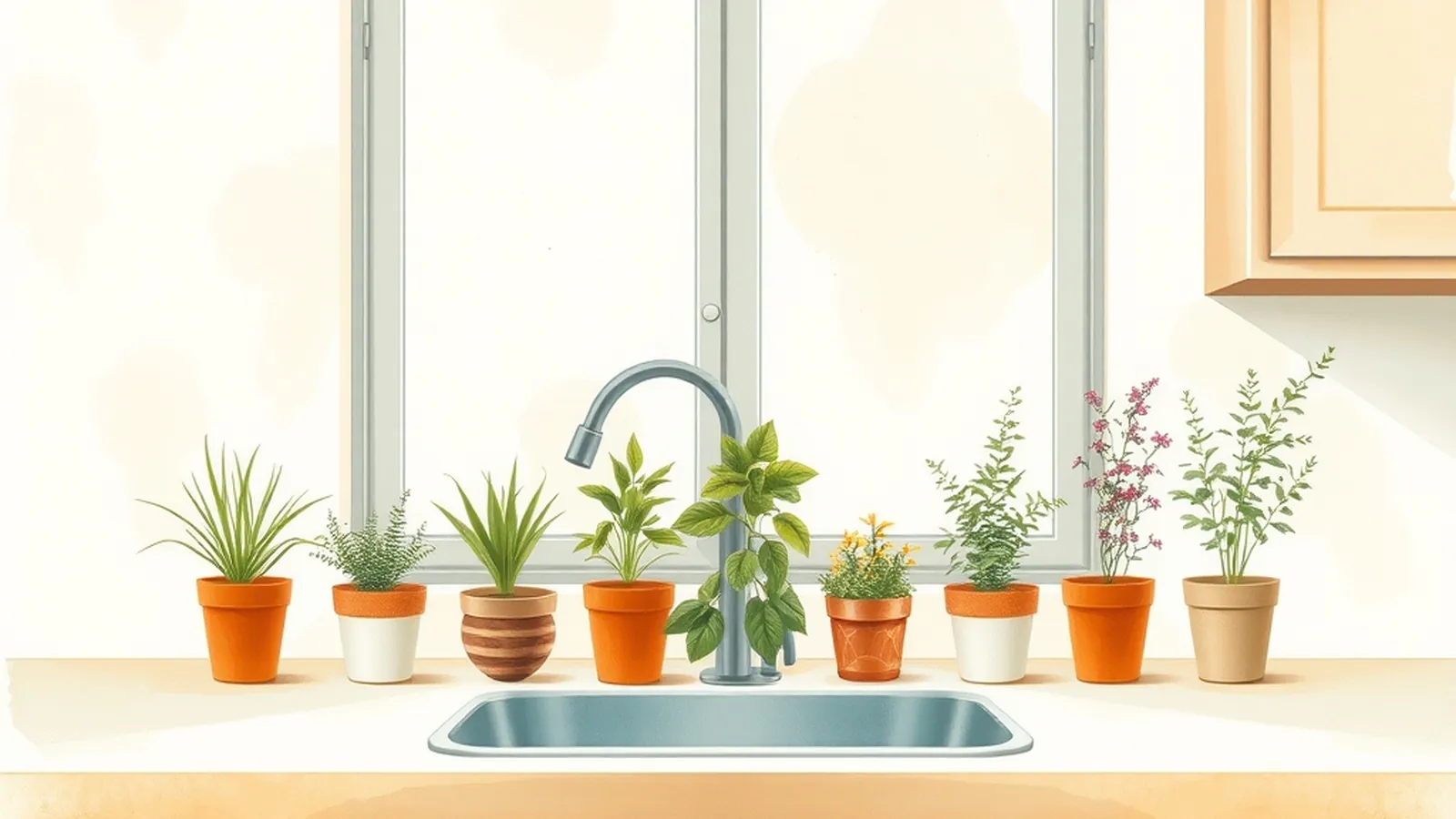
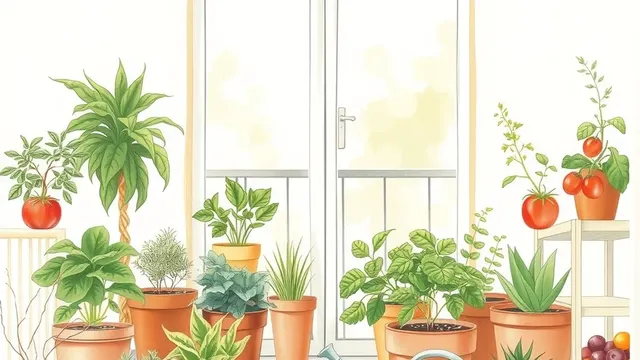
To grow herbs indoors, put them in your brightest window (or under a grow light), use small pots with drainage holes and a light potting mix, water when the top inch of soil feels dry, and snip leaves often so the plants stay bushy. Most kitchen herbs want more light than people expect, so light is the first thing to solve.
Indoor herbs are one of the easiest ways to start growing food if you have no outdoor space at all, and they're a favorite starting point in our Small Spaces section. Here's how to get them going.
Pick the right herbs
Herbs differ a lot in how much light they need. Start with ones that suit your window.
| Herb | Light needs indoors | Notes |
|---|---|---|
| Chives | Bright window | Very forgiving; snip from the base |
| Parsley | Bright window | Slow to start from seed; buying a plant is easier |
| Mint | Bright window to part sun | Spreads fast; keep it in its own pot |
| Thyme | Brightest window | Likes soil on the dry side |
| Oregano | Brightest window | Similar to thyme |
| Basil | Brightest window plus warmth | Often needs a grow light in winter |
| Rosemary | Brightest window | Let soil dry a bit between waterings; can be tricky indoors |
| Cilantro | Bright, cool spot | Tends to go to seed quickly; sow small batches often |
Finding enough light
In most US homes, a south-facing window gives the most light, with west and east next. North windows rarely give herbs enough on their own. Keep pots right up near the glass, since light drops off quickly as you move into a room.
Signs your herbs need more light:
- Stems stretch and lean hard toward the window
- Leaves are small, pale or widely spaced
- Growth slows to a crawl
If your windows are dim or it's the short days of winter, a grow light makes a real difference. A simple LED fixture hung a few inches above the plants and run on a timer works for most people. Our guide to grow lights explains light types, distance and how many hours to run them. Keep cords and power strips away from water and off the floor where spills collect.
Pots and potting mix
- Choose pots with drainage holes. Use a saucer or tray to catch water, and empty it after watering.
- Go small to medium. A pot about 6 inches across suits most single herbs. Mint and parsley like a little more room.
- Use potting mix, not garden soil. A light, bagged indoor mix drains well. Adding a handful of perlite helps thyme, oregano and rosemary, which dislike wet roots.
- Terracotta or plastic? Unglazed clay dries faster, which helps Mediterranean herbs. Plastic holds water longer, which suits parsley and mint.
Watering
Indoor herbs are more often overwatered than underwatered. Push a finger about an inch into the soil. If it's dry, water slowly until a little drains out the bottom. If it's damp, wait. Plants near a heater or in a hot, sunny window dry out faster, while plants in winter often need less.
Feeding
Herbs don't need much fertilizer. A light feeding with a balanced, diluted liquid fertilizer every few weeks during active growth is plenty for most. Follow the product label, and go lighter rather than heavier. Too much can produce lots of soft leaves with less flavor.
Harvesting to keep plants full
Regular harvesting is good for most herbs. It keeps them compact and encourages new growth.
- Basil, mint and oregano: pinch or snip just above a pair of leaves. Two new shoots will grow from that point.
- Chives: cut a few leaves at a time down near the base.
- Parsley and cilantro: cut outer stems at the base and let the center keep growing.
- Thyme and rosemary: snip soft green tips, not the woody parts.
Don't take more than about a third of a plant at once. If basil starts forming flower buds, pinch them off to keep leaves coming. Rinse herbs under running water before you use them.
Pets and indoor herbs
Some common herbs can be harmful to cats or dogs. Check any plant against the ASPCA's toxic and non-toxic plant lists before placing it where pets can reach. Our guide to pet safe houseplants explains how to use those lists and what to do if a pet chews a plant.
Example: a winter windowsill
Example (fictional): Taylor lives in a basement apartment with one east-facing window. Chives and mint did fine on the sill, but basil stretched and stalled by November. Taylor added a small LED bar light under a kitchen cabinet on a timer and moved the basil and a thyme plant beneath it. Within a few weeks the basil had shorter stems and darker leaves, and Taylor started pinching the tops every weekend.
Learn more for free
You don't need a paid course to grow a few herbs well, but if you're weighing one, our guide to whether online gardening courses are worth it lists questions to ask and free alternatives to try first.
Troubleshooting indoor herbs
| What you see | Likely cause | What to try |
|---|---|---|
| Tall, leaning stems | Not enough light | Move closer to the window or add a grow light |
| Yellow lower leaves | Soggy soil | Water less often; check that the pot drains |
| Crispy leaf edges | Dry air or heat | Move away from heaters; group pots together |
| Tiny flies near the soil | Damp surface | Let the top of the soil dry out between waterings |
Where to go next
- Ready to move herbs outdoors in spring? Square foot gardening shows how to fit several herbs into a few squares of a bed.
- Herbs pair well with fruit in containers, like a pot of strawberries beside your basil on a sunny patio.
- Short on windowsill space? Vertical gardening explains tiered shelves and wall pockets that hold several pots in a narrow spot.
Something to do today
Pick your brightest window and clear the sill. Buy or pot up two herbs from the table above that match that window's light. Chives and parsley are safe first choices, and you can add basil once you have a grow light or a sunny spot.
Want a step-by-step plan or guide?
Some people like the structure of a paid guide or set of plans. This button opens a third-party program from one of our advertising partners. Its claims are its own, not ours, so weigh them against our checklist for judging paid plans.
See the partner program →We may be paid when you click. The program shown can change. Read its terms before you buy anything. How this works
Frequently asked questions
What herbs are easiest to grow indoors?
Chives, parsley, mint, thyme and oregano are forgiving choices for a bright window. Basil grows well indoors too but wants plenty of light and warmth, so it often does best under a grow light in winter.
Why is my indoor basil getting tall and floppy?
Long, stretched stems with space between the leaves usually mean the plant needs more light. Move it to a brighter window or add a grow light, and pinch the top growth to encourage branching.
Can I grow herbs from grocery store cuttings?
Some, yes. Stems of basil and mint often root in a glass of water within a few weeks, and you can then pot them up. Results vary, and cuttings may not be as vigorous as plants grown from seed or bought from a nursery.