Beekeeping for Beginners

Beekeeping for beginners starts long before the bees arrive: check your local rules, take a class, find a mentor and make sure no one in your household has a serious sting allergy. Then plan for the real commitment, which is regular hive inspections through the warm months and steady attention to pests and disease. Keeping bees is fascinating, but it's a living system to care for, not a garden decoration.
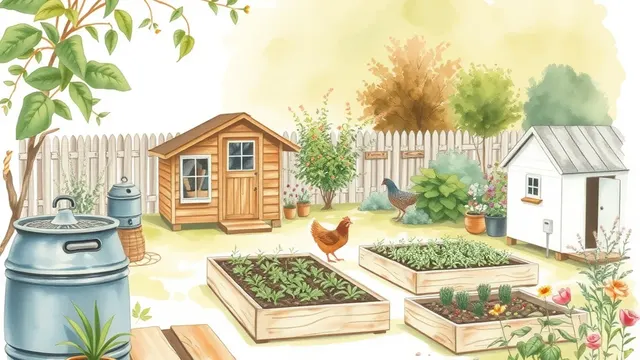
Bees are one of the bigger projects in our Backyard Homestead section, right alongside chickens, so this page is about deciding whether it fits your life before you spend money.
Step 1: Safety and allergies first
Talk to everyone in your household, and ideally your closest neighbors, before you get bees. Anyone with a known allergy to stings should speak with a doctor first.
Keep these basics in mind:
- For a severe reaction, call 911. Warning signs include trouble breathing, swelling of the face, lips or throat, hives spreading across the body, dizziness or fainting.
- For an ordinary sting, move away from the hive calmly, scrape the stinger out quickly with a fingernail or card edge and wash the area.
- Know your limits. If stings worry you more than they intrigue you, that's useful information.
Stings happen even to careful beekeepers. Calm movements, protective gear and working the hive on a mild, sunny day all help.
Step 2: Check the rules where you live
Beekeeping rules vary widely. Before ordering bees, find out:
- Whether your city, county or homeowner association allows hives, and how many.
- Whether hives must sit a certain distance from property lines, sidewalks or neighbors.
- Whether your state asks beekeepers to register hives.
- Whether your lease allows it, if you rent.
Your local Cooperative Extension office or a local beekeeping club can usually tell you where to look.
Step 3: Find a class, a club and a mentor
This is the single most useful step for a new beekeeper. Local clubs often run beginner classes, pair new keepers with experienced mentors and share advice that fits your climate, from when colonies build up in spring to how they're prepared for winter. A mentor who opens a hive with you in person teaches more than any video.
You'll also see paid online beekeeping courses. Some are good, but a local class often covers the same ground with climate-specific advice. Our guide to whether gardening courses are worth it has questions to ask before you pay for any program.
Step 4: Understand the time involved
Beekeeping doesn't need daily care like chickens, but it does need regular, timely attention.
| Season | Typical beekeeper tasks |
|---|---|
| Late winter | Check that the colony is alive and has stored food, from the outside on cold days |
| Spring | Regular inspections; watch for crowding and signs a colony may swarm; add space as needed |
| Summer | Inspections; watch for pests and disease; make sure bees have water |
| Fall | Assess food stores; reduce the entrance; prepare for winter based on local advice |
Timing depends a lot on your climate, which is why local advice matters so much. Expect a steep learning curve and some losses in the first years, even with good care.
Step 5: Basic gear
A beginner usually needs:
- A hive. Many beginners start with a common box-style hive because local mentors and suppliers know it well.
- Protective gear: a veil, gloves and a jacket or suit.
- A smoker, which helps calm bees during inspections.
- A hive tool for prying apart boxes and frames.
- Bees, usually ordered in advance from a local supplier as a package or a small starter colony.
Ask your mentor or club what they'd recommend before buying, since local preferences and climate shape the best setup.
Choosing a hive spot
Look for a place that:
- Gets morning sun and some afternoon shade in hot climates.
- Sits away from paths, play areas, doors and neighbors' outdoor spaces.
- Has a fence, hedge or screen in front of the entrance, so bees fly up and over people.
- Is on level, well-drained ground you can reach with gear.
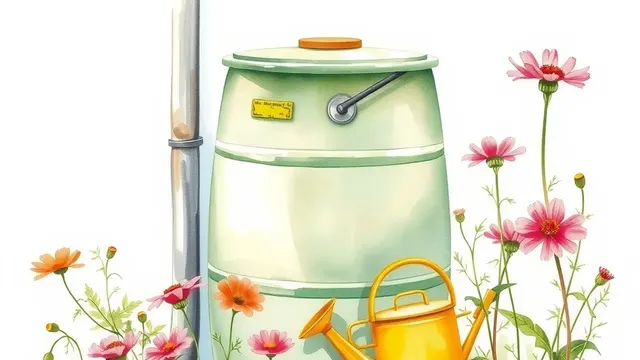
Bees need water, and they'll find it at a neighbor's pool or birdbath if you don't provide it. A shallow dish with stones or floating corks for landing gives them a safe place to drink. If you set up a rain barrel, rainwater harvesting for gardens explains how to keep it screened so mosquitoes stay out and bees can't fall in.
Helping bees without a hive
Not ready for a colony? You can still support bees by planting flowers that bloom from spring through fall and by avoiding sprays on open blooms. Our guide on how to make a pollinator garden explains how to plan for flowers all season, shelter and water. If you ever use any pesticide, follow the product label exactly; our page on using pesticides safely explains why the label matters and how to protect pollinators.
Flowering herbs are a simple start. Letting a few stems of oregano, thyme or mint bloom feeds bees, and you can still dry the rest; see how to dry herbs.
Bees and a longer growing season
Some beekeepers also run a greenhouse or cold frame to start seedlings early. Open-sided structures let pollinators in on warm days, while closed ones may need hand pollination for some crops. Our guide to greenhouses for beginners covers ventilation and what to grow.
Example (fictional): Taylor spent one season as a volunteer helper with a club mentor before getting their own hive. By the time their bees arrived, they'd opened a hive many times, knew which local plants bloomed when and had a mentor to text when something looked off.
Something to do this weekend
Look up your city or county's rules on beekeeping, then search for a beekeeping club in your county and check when its next beginner class or open-hive day takes place. Ask if you can shadow a beekeeper for one inspection before you decide.
Want a step-by-step plan or guide?
Some people like the structure of a paid guide or set of plans. This button opens a third-party program from one of our advertising partners. Its claims are its own, not ours, so weigh them against our checklist for judging paid plans.
See the partner program →We may be paid when you click. The program shown can change. Read its terms before you buy anything. How this works
Frequently asked questions
Is beekeeping hard for beginners?
It's learnable, but it isn't hands-off. Colonies need regular inspections in the warm months, and problems like pests, disease or a failing queen can come up fast. A class and a local mentor make the first year much easier.
Do I need permission to keep bees?
Often, yes. Some cities, counties and homeowner associations limit or regulate hives, and some states ask beekeepers to register. Check your local rules before you order bees.
What should I do if I'm stung by a bee?
Move away from the hive, scrape the stinger out quickly and wash the area. Call 911 right away for trouble breathing, swelling of the face or throat, dizziness or other signs of a severe allergic reaction.