Home Maintenance Checklist

A good home maintenance checklist spreads small tasks across the year: test smoke alarms monthly, check filters and drains regularly, handle gutters and weatherproofing each season, and schedule a yearly look at bigger systems like the furnace and water heater. Small, steady care helps you spot problems early, while they're still simpler to fix.
This checklist ties together many of the skills in our DIY & Repairs section. Adjust it for your home, your climate and whether you rent or own.
Smoke alarms: the monthly must-do
Smoke alarms are the most important item on this list. The NFPA recommends testing every smoke alarm in your home at least once a month and replacing alarms when they reach 10 years old.
How to put that into practice:
- Test monthly. Press and hold the test button until the alarm sounds. If it's weak or silent, replace the battery (if it has a replaceable one) and test again. If it still fails, replace the alarm.
- Check the age. Look on the back of each alarm for a manufacture date. If it's 10 years old or close to it, or there's no date at all, plan to replace it.
- Replace batteries as the manufacturer directs. Some alarms have sealed batteries meant to last the life of the alarm.
- Dust gently. Follow the manual for cleaning, often a soft brush or vacuum attachment.
- Use a ladder safely. Ceiling alarms mean climbing. Use a sturdy step ladder on a level floor, with a helper nearby.
Carbon monoxide alarms matter too, especially in homes with gas appliances, fireplaces or attached garages. Test and replace them according to the manufacturer's instructions. Hardwired alarms that need new wiring are a job for a licensed electrician; renters should ask their landlord.
Monthly tasks
| Task | Why |
|---|---|
| Test smoke and carbon monoxide alarms | Make sure they work when you need them |
| Check the HVAC filter | Replace per the filter and system instructions |
| Clean drain strainers | Prevent clogs before they start |
| Run water and flush toilets in rarely used rooms | Spot slow drains and leaks |
| Look under sinks for drips | Catch small leaks early |
| Clean the dryer lint trap after every load | Lint buildup is a fire risk |
If a sink drips, our guide to fixing a leaky faucet walks through shut-offs and parts.
Seasonal tasks
Spring
- Clean gutters and downspouts, or hire someone if they're high or hard to reach.
- Check exterior caulk and paint around windows and doors.
- Look for water stains on ceilings and around the foundation after heavy rain.
- Have air conditioning serviced by a licensed HVAC technician if your home has central AC.
Summer
- Check outdoor wood projects, decks and railings for loose boards and screws.
- Clean window screens and repair small tears.
- Trim plants back from the house and from the AC unit, following the manufacturer's clearance guidance.
Fall
- Clean gutters again after leaves drop.
- Check weatherstripping and caulk. Our guide to caulking and weatherstripping shows how to find drafts and seal them.
- Disconnect and drain garden hoses, and shut off outdoor faucets if your climate freezes.
- Have the furnace or heating system checked by a licensed technician.
- Rake, mulch and cut back the yard. Our fall yard cleanup checklist covers using leaves as mulch and caring for tools before winter.
Winter
- Watch for ice dams and icicles along the roofline. Roof work is a job for a licensed roofer.
- Keep heat at a steady level during cold snaps to protect pipes, and know where your main water shut-off is.
- Check that exterior vents for the dryer and furnace aren't blocked by snow.
Timing depends on your climate. In warm regions, "fall" tasks may happen later and freeze prep may not apply at all. Your local Cooperative Extension office or our guide to free home and garden help can point you to region-specific advice.
Yearly tasks
- Have the water heater checked, following the manufacturer's manual. Gas water heaters and any work on gas connections are for a licensed professional.
- Clean the dryer vent duct from the dryer to the outside wall, or hire a dryer vent cleaning service.
- Test the main water shut-off valve by turning it gently. If it sticks or leaks, call a plumber.
- Check the age of smoke and CO alarms.
- Inspect the attic, if you can access it safely, for signs of leaks or pests.
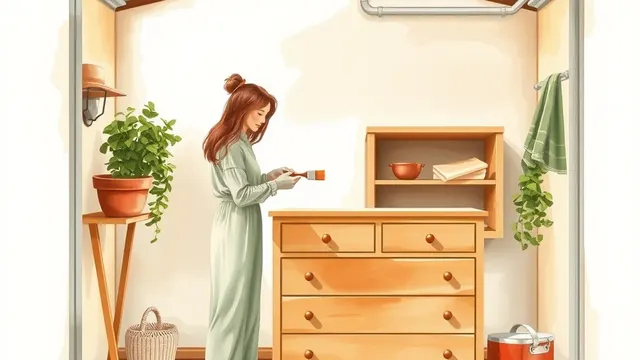
- Look over furniture and wood pieces for loose joints and worn finishes. Our guide to refinishing furniture can help when a piece needs more than a tightening.
Keep the tools ready
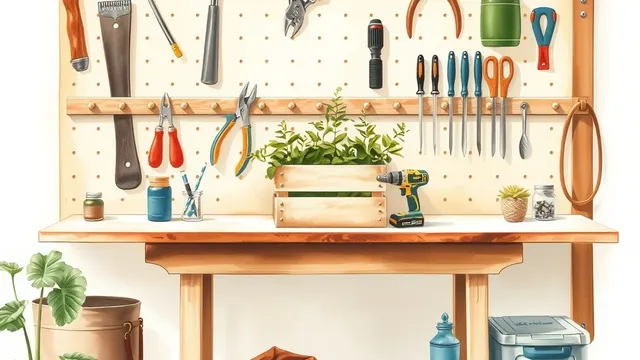
A checklist is easier to follow when the right tools are close at hand. A step ladder, flashlight, screwdriver, adjustable wrench and gloves cover most of these tasks. Our basic tool kit guide lists the rest.
Knowing your limits
Some items on this list are about noticing problems, not fixing them. If you find a leak in a wall, a gas smell, a sparking outlet, a sagging ceiling or roof damage, stop and bring in a licensed professional. Our guide on when to call a pro covers which jobs need one, how permits work and how to compare quotes.
A worked example: a first-year routine
Example: Drew, 32, just bought their first house. They set a recurring reminder on the first Saturday of each month for alarms, filters and under-sink checks. They add seasonal reminders for gutters and weatherstripping, and they book a furnace check each fall. The routine takes under an hour most months, and they catch a slow drip under the bathroom sink before it damages the cabinet.
Something to do today
Test every smoke alarm in your home. Note the manufacture date on the back of each one, and replace any that are 10 years old or undated. Then set a monthly reminder so the next test happens on its own schedule.
Want a step-by-step plan or guide?
Some people like the structure of a paid guide or set of plans. This button opens a third-party program from one of our advertising partners. Its claims are its own, not ours, so weigh them against our checklist for judging paid plans.
See the partner program →We may be paid when you click. The program shown can change. Read its terms before you buy anything. How this works
Frequently asked questions
How often should I test my smoke alarms?
The NFPA recommends testing smoke alarms at least once a month by pressing the test button, and replacing alarms when they are 10 years old. Check the date on the back of each alarm.
How often should I change my HVAC filter?
Follow your system manufacturer's and the filter package's guidance. Homes with pets, allergies or lots of dust may need more frequent changes. Checking it monthly is an easy habit.
What maintenance should renters do?
Renters can test smoke alarms, change easy filters if allowed, clean drain strainers and dryer lint traps, and report leaks or damage promptly. Check your lease for what you and your landlord are each responsible for.