Essential Garden Tools for Beginners
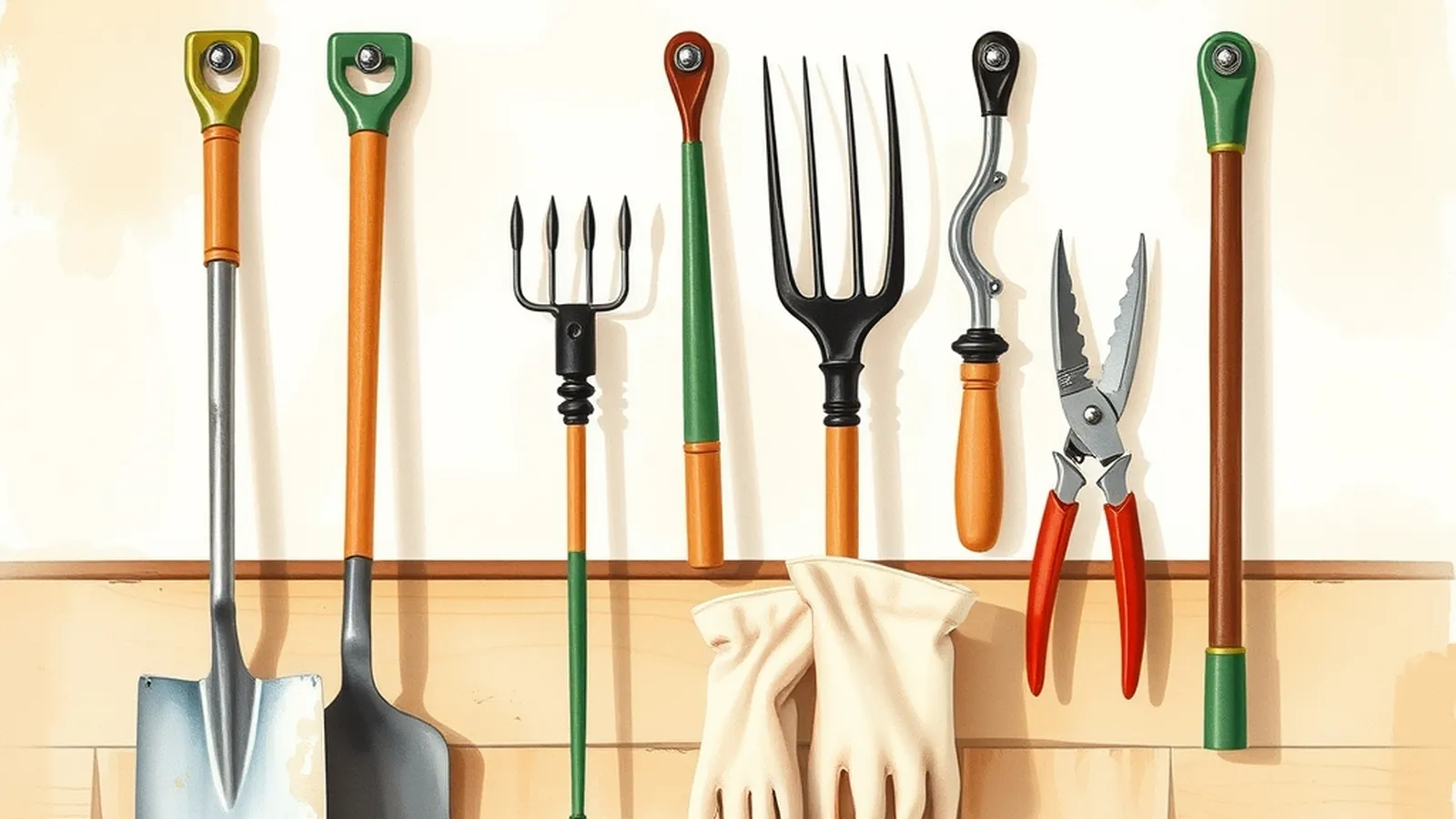
Most beginners need only a handful of garden tools: a hand trowel, a spade or garden fork, gloves, hand pruners, a rake and a watering can or hose with a gentle nozzle. That short list covers digging, planting, trimming, smoothing beds and watering. Skip the gadgets until you know what you actually need, and take care of the basics so they last.
Tools are part of the foundations in our Garden Basics section. This guide covers what to get first, how to care for it and what can wait.
The starter list
| Tool | What it's for | What to look for |
|---|---|---|
| Hand trowel | Planting transplants, bulbs and small holes | A sturdy blade firmly attached to the handle |
| Spade or round-point shovel | Digging beds, moving soil and compost | A length that fits your height, a solid step on the blade |
| Garden fork | Loosening soil, turning compost | Strong tines that don't bend easily |
| Hand pruners | Trimming stems, harvesting, deadheading | Sharp blades, a comfortable grip, a safety lock |
| Rake | Smoothing beds, spreading mulch, gathering leaves | A bow rake for soil, a leaf rake for leaves |
| Gloves | Protecting hands from blisters, thorns and splinters | A snug fit so you can still grip |
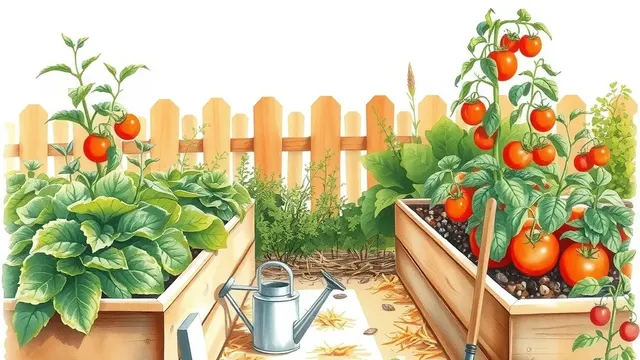
| Watering can or hose | Watering seedlings, beds and containers | A gentle spray or fine rose for seedlings |
If you're on a tight budget, start with the trowel, gloves, a spade and a way to water. Borrow the rest from a neighbor or a tool library if your area has one.
Nice to have later
Once you've gardened for a season, you'll know whether you need any of these:
- Hoe: for slicing young weeds between rows in larger gardens
- Hand cultivator or weeder: for working compost into soil and digging out weeds with deep roots
- Wheelbarrow or garden cart: for moving compost, mulch and soil in bigger yards
- Kneeling pad: saves your knees during planting and weeding
- Loppers: for branches too thick for hand pruners
- Soaker hose or drip line: for watering beds efficiently
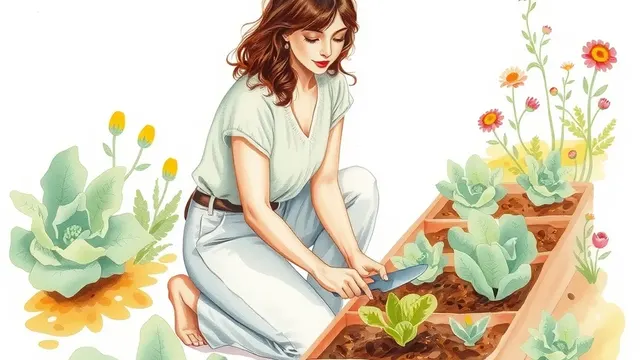
- Soil knife: a sturdy, serrated digging blade that does many small jobs
What you can skip for now
- Gadgets that do one narrow job. Most tasks can be done with the basics.
- Gas-powered tillers. They can be useful for breaking new ground in a large area, but many small gardens never need one, and tilling too often can harm soil structure. Rent one if you do.
- Big sets of matching tools. You often pay for pieces you won't use.
- Specialty products with big promises. No tool can promise a better harvest.
If you're shopping for home tools as well, our basic tool kit for homeowners covers the hammer, screwdrivers and other basics for repairs, and some tools do double duty.
Choosing quality on a budget
You don't need the most expensive tools, but very flimsy ones can bend or break quickly. In general:
- Feel it in your hand. A tool should feel solid and comfortable, not wobbly.
- Check the joint where the blade meets the handle. That's where cheap tools often fail.
- Fit your body. A spade with a handle that's too short means more bending.
- Buy used. Yard sales and secondhand shops often have sturdy older tools that clean up well.
How to care for your tools
A few minutes after each use keeps tools working for years.
After every use
- Knock or brush off soil. A stiff brush works well.
- Rinse if very dirty, then dry with a rag.
- Hang or store them indoors or under cover.
Cleaning pruners
Wipe sap off pruner blades after use. If you've cut diseased plants, clean the blades before moving to healthy ones, using a household disinfectant as the product label directs. Never mix cleaning products. Some combinations, such as bleach with ammonia or vinegar, create toxic gases. Our natural cleaning guide explains why.
Sharpening
Sharp tools are safer and easier to use, because they cut instead of crushing and you don't have to force them.
- Use a sharpening file or stone on spade and hoe edges, following the original bevel.
- Sharpen pruner blades with a small sharpening tool made for them.
- Wear sturdy gloves and safety glasses when sharpening.
End-of-season care
- Clean all tools thoroughly.
- Sand off any rust with steel wool or sandpaper.
- Wipe a light coat of oil on metal parts.
- Rub wooden handles with linseed oil if they're dry or rough, and follow the product label, since rags soaked in some oils can catch fire if left bunched up.
- Drain hoses and store them out of freezing weather.
Storing tools safely
- Hang long tools on a wall to keep them off the floor and avoid tripping.
- Store sharp tools with blades covered or facing the wall.
- Keep fertilizers and garden products in their original containers, out of reach of kids and pets.
- Choose a dry spot so tools don't rust.
A worked example
Here's an example for a fictional first-time gardener, Robin, who's starting with one raised bed. Robin buys a trowel, gloves and hand pruners, borrows a garden fork from a neighbor and uses a kitchen pitcher for watering at first. Halfway through summer, Robin adds a watering can with a fine rose for seedlings and a kneeling pad. At the end of the season, Robin cleans and oils everything and hangs the tools on hooks in the garage.
Tools for the next steps
The tools you need depend on your plans. If you're still choosing a spot, our guide to starting a garden walks through the first steps. Sketching beds before you dig helps you see whether you'll need a cart or wider paths, which our garden planning guide covers. And if you want to grow from seed, starting seeds indoors needs only a few small extras like trays, a timer and a fine-spray watering can.
Building raised beds or garden structures? Our guide to choosing woodworking or DIY plans explains what a good plan includes before you buy one.
Something to do this weekend
Gather every garden tool you own in one spot. Clean, dry and sharpen what you can, toss anything broken beyond repair, and make a short list of the one or two tools you're actually missing.
Want a step-by-step plan or guide?
Some people like the structure of a paid guide or set of plans. This button opens a third-party program from one of our advertising partners. Its claims are its own, not ours, so weigh them against our checklist for judging paid plans.
See the partner program →We may be paid when you click. The program shown can change. Read its terms before you buy anything. How this works
Frequently asked questions
What garden tools do I need to start?
A trowel, a spade or garden fork, gloves, hand pruners, a rake and a way to water cover most beginner needs. Add tools later as you find a real use for them.
Is it worth buying expensive garden tools?
Not at first. Look for sturdy construction and a comfortable grip in your price range. Once you know which tools you use most, consider upgrading those.
How do I keep garden tools from rusting?
Brush off soil after each use, let tools dry before you put them away and store them out of the rain. A light coat of oil on metal parts before winter storage also helps.