How to Start a Garden for Beginners
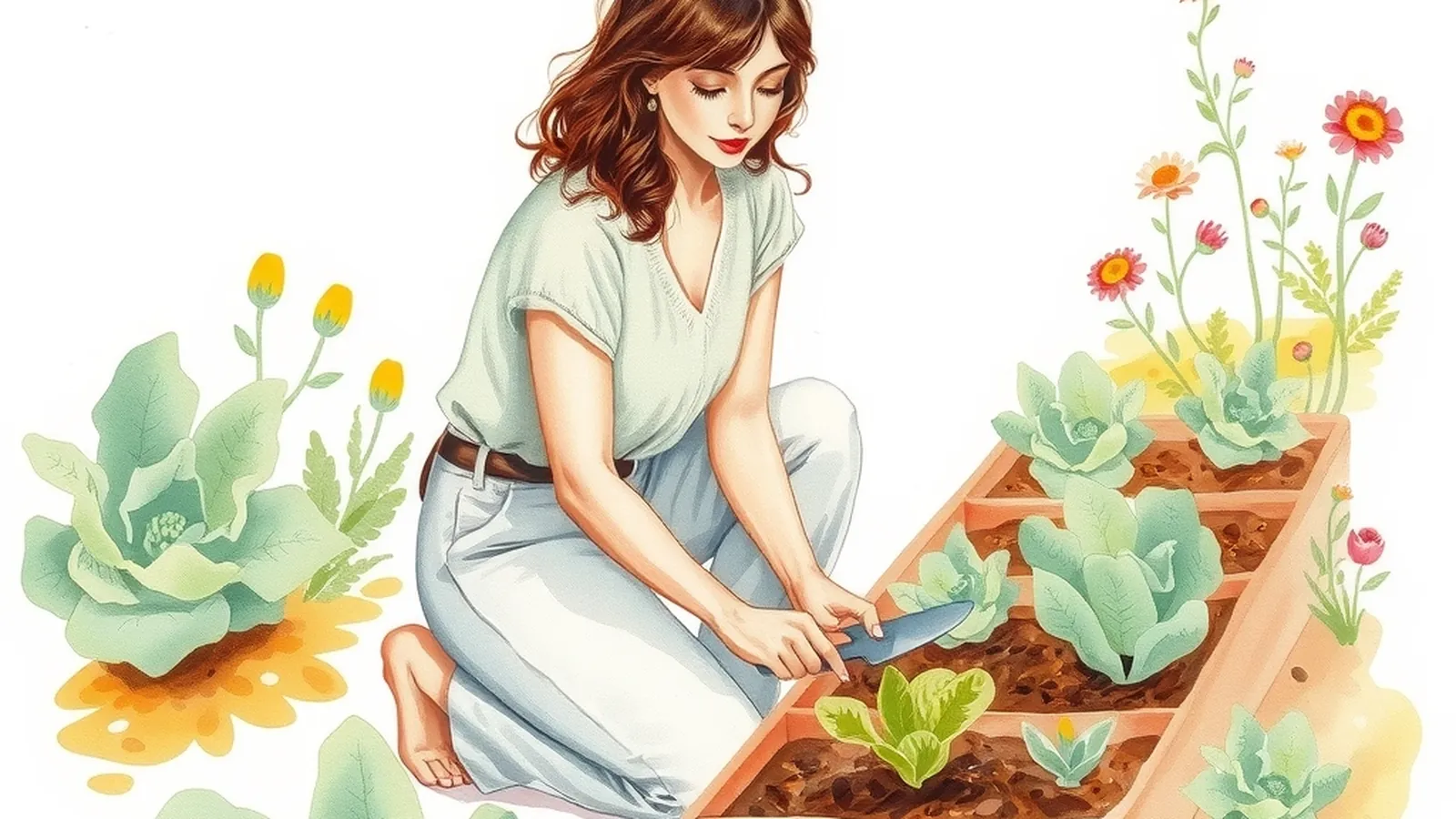
To start a garden, pick a spot that gets at least six hours of direct sun, start with a small bed or a few containers, loosen and enrich the soil with compost, and plant a handful of easy crops at the right time for your area. That's genuinely it. The rest is watering, watching and adjusting as you learn.
This guide walks through each step in order, with a first-season plan at the end. If you want the bigger picture of soil, sun, water and planning, our Garden Basics section covers each foundation in its own guide.
Step 1: Pick the right spot
Location matters more than almost anything else you'll decide. Look for a place that is:
- Sunny. Most vegetables want six or more hours of direct sun a day. Leafy greens and some herbs can manage with less.
- Close to water. If you have to drag a hose across the whole yard, you'll water less often. Closer is better.
- Easy to see. A garden you pass every day gets noticed. Problems get caught early.
- Reasonably level and well drained. Avoid low spots where puddles sit after rain.
If you're not sure how much light a spot gets, spend one day checking it in the morning, at midday and in the afternoon. Our guide to full sun vs partial shade explains how to map it.
Before you dig into the ground, call 811 so utility lines can be marked. Our tree planting guide explains why this free call matters for any digging project.
Step 2: Start smaller than you think
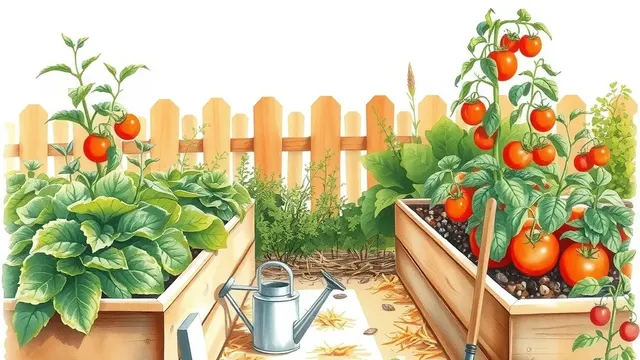
The most common beginner mistake is planting too much. A big garden needs a lot of weeding and watering, and it's easy to fall behind in midsummer. A small garden you can keep up with teaches you far more than a large one that gets away from you.
Good first-season sizes:
| Option | Good for | Notes |
|---|---|---|
| One raised bed, about 4 by 8 feet | Yards with poor soil | Easy to reach from both sides |
| Four to six large containers | Patios, balconies, renters | Needs more frequent watering |
| A small in-ground patch | Yards with decent soil | Cheapest option if your soil drains |
Step 3: Prepare the soil
Healthy soil is crumbly, drains well and has plenty of organic matter. For most new gardens:
- Remove grass and weeds from the area. You can dig them out or cover them with cardboard for several weeks to smother them.
- Loosen the top several inches of soil with a garden fork or spade.
- Spread a few inches of compost over the top and mix it in.
- Rake the surface smooth and water it well.
If you're curious about what's really in your ground, a soil test through your local Extension office is a good next step. Our soil basics guide explains texture, drainage and a simple jar test you can do at home.
Step 4: Know your timing
Plants don't all go in at the same time. Some crops like cool weather and tolerate light frost, while others need warm soil and nights. Your planting zone tells you which perennials survive your winters, but for vegetables, your last spring frost date matters more. It decides when warm-season crops like tomatoes, peppers and squash can safely go outside. Your local Cooperative Extension office can tell you typical frost dates for your area.
Step 5: Choose a few easy first plants
Pick crops you actually like to eat and that forgive beginner mistakes. Our list of easy vegetables to grow has a table with season and space needs. Some common starter choices:
- Lettuce and other salad greens for cool weather
- Bush beans for warm weather
- Zucchini if you have space
- Cherry tomatoes from young plants
- Herbs such as basil, parsley and chives
Buying young plants (often called transplants or starts) for slow crops like tomatoes and peppers saves you weeks. Fast crops like beans, radishes and lettuce grow easily from seed sown right in the garden.
Step 6: Plant, water and mulch
When you plant, follow the spacing on the seed packet or plant tag. Crowded plants compete for light and water and are more prone to disease. Water gently right after planting, then keep the soil evenly moist while seeds sprout and transplants settle in.
Once seedlings are a few inches tall, spread a layer of mulch such as shredded leaves or straw around them. It holds moisture and blocks many weeds.
Your first-season plan
Here's an example for a fictional beginner, Sam, who has one sunny raised bed and about an hour a week. Your dates will depend on your frost dates.
| Timing | Task |
|---|---|
| A few weeks before last frost | Clear the bed, add compost, plant lettuce and radish seeds |
| Around last frost | Plant herbs, keep greens watered |
| After nights stay warm | Plant tomato and pepper starts, sow bush beans |
| Early summer | Mulch, water deeply, start picking greens |
| Midsummer | Harvest beans and tomatoes often, pull spent greens |
| Late summer | Sow a second round of lettuce for fall |
| After first frost | Clear dead plants, add compost, take notes for next year |
Gear you actually need
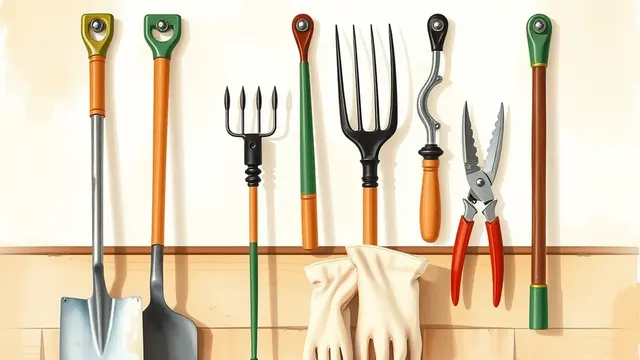
You can start with very little: a hand trowel, a garden fork or spade, gloves, a watering can or hose with a gentle spray nozzle, and a rake. Our essential garden tools guide explains what to buy first and what to skip until later.
Where to go next
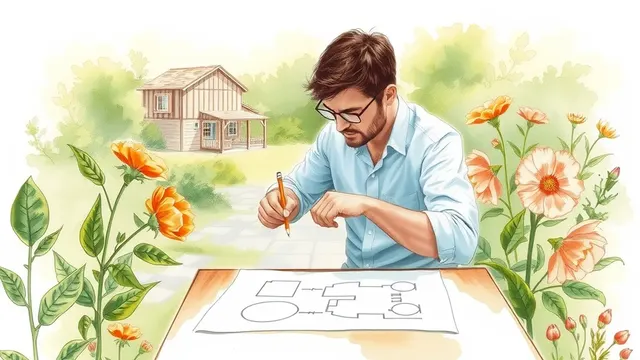
Once you've picked a spot, a sketch on paper helps you fit everything in. Our garden planning guide shows how to lay out beds, paths and spacing so you don't crowd plants or block light.
You'll also see plenty of paid courses aimed at new gardeners. Some can help, but you don't need one to grow a good first garden. Our guide to whether online gardening courses are worth it covers free alternatives and questions to ask before you pay.
Something to do this weekend
Choose your spot. Check its sun three times on a sunny day, measure it and mark the corners with sticks or stones. If it gets six or more hours of direct sun, you've found your first garden.
Want a step-by-step plan or guide?
Some people like the structure of a paid guide or set of plans. This button opens a third-party program from one of our advertising partners. Its claims are its own, not ours, so weigh them against our checklist for judging paid plans.
See the partner program →We may be paid when you click. The program shown can change. Read its terms before you buy anything. How this works
Frequently asked questions
How big should my first garden be?
Small enough that you can water and weed it in a short session. One raised bed or a handful of large containers is plenty for a first season, and you can always add more next year.
When is the best time to start a garden?
It depends on your area. Many people plant after their last spring frost, but cool-season crops can go in earlier and fall gardens are possible in many places. Your local Cooperative Extension office can tell you typical frost dates.
Can I start a garden with no money?
You can start cheaply. Grow from seed, borrow tools, use homemade compost and plant in an existing patch of ground. A few inexpensive basics will make the work easier, but you don't need a kit or special equipment.