Full Sun vs Partial Shade
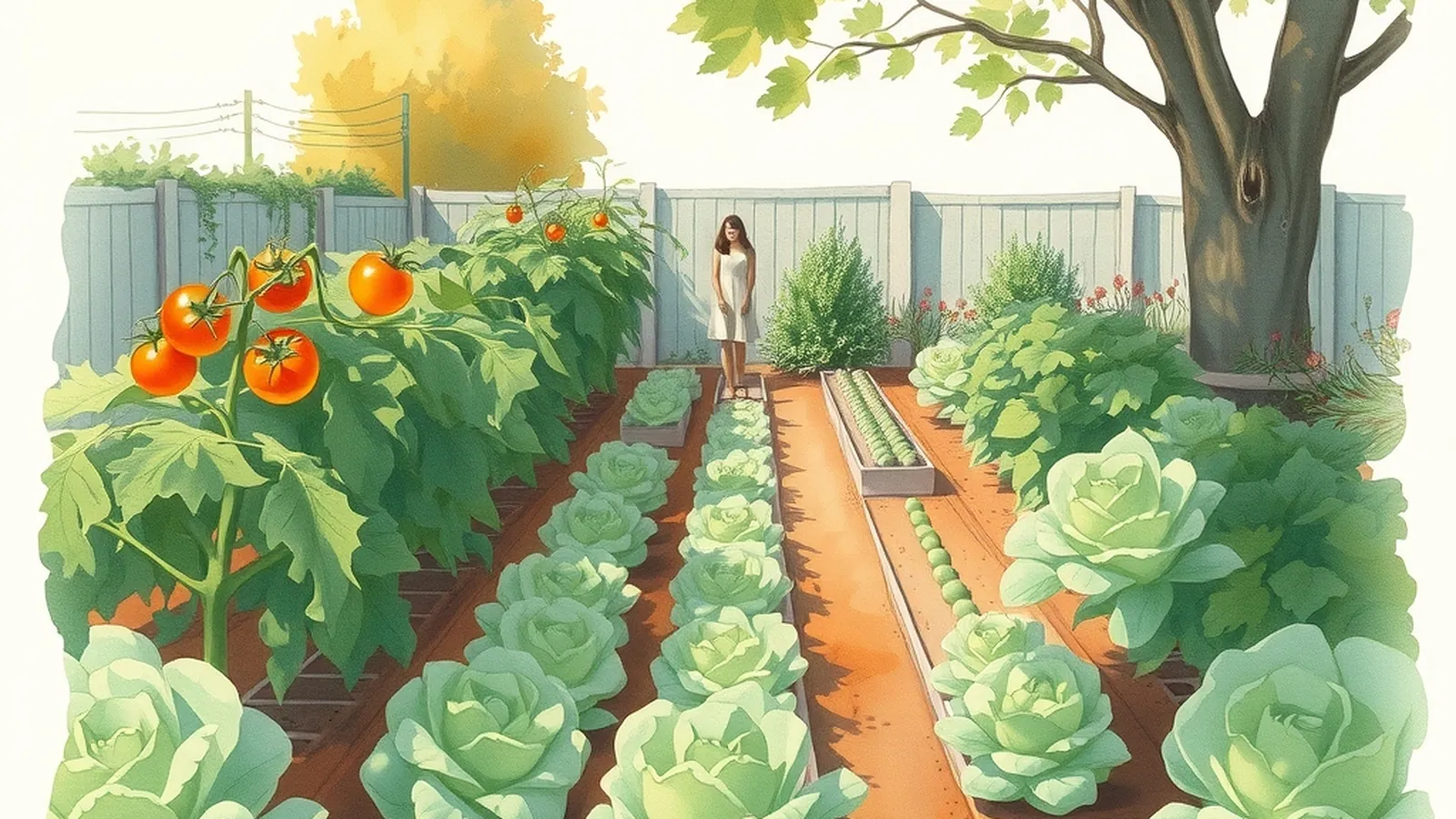
Full sun usually means six or more hours of direct sunlight a day, partial sun or partial shade means roughly three to six hours, and shade means less than three. Most fruiting vegetables, like tomatoes, peppers and squash, need full sun. Leafy greens and many herbs can manage in partial shade. The only way to know what your spot gets is to watch it.
Light is one of the foundations covered in our Garden Basics section. This guide shows you how to measure it and match plants to what you have.
The light categories, in plain terms
Plant tags use a handful of light terms. Here's what they generally mean:
| Term on a tag | Typical direct sun per day | Good for |
|---|---|---|
| Full sun | Six or more hours | Tomatoes, peppers, squash, beans, most flowering annuals |
| Partial sun | About four to six hours, often leaning toward more | Many herbs, bush beans, some flowers |
| Partial shade | About three to five hours, ideally morning sun | Lettuce, spinach, kale, parsley, many perennials |
| Full shade | Less than three hours, often bright but indirect light | Hostas, ferns, some woodland plants |
Direct sun means the sun itself shines on the spot, not just bright sky. Light filtered through leafy trees, often called dappled shade, sits somewhere between partial and full shade.
Why light matters so much
Plants make their food from sunlight. Crops that produce fruit, such as tomatoes, cucumbers and peppers, need a lot of energy to flower and ripen. In too little light they tend to grow tall and leggy, flower less and produce little. Leafy crops only need to grow leaves, so they cope better with less sun. In hot climates, a little afternoon shade can even help greens last longer before they bolt.
How to map the sun in your yard
You don't need any special equipment. One clear day is enough to start.
- Sketch your space. Draw your yard, patio or balcony and mark trees, fences, buildings and walls.
- Pick check times. Plan to look at about 8 a.m., 10 a.m., noon, 2 p.m., 4 p.m. and 6 p.m.
- Mark sun and shadow. At each check, shade in the parts of your sketch that are in shadow.
- Count the hours. For each area, add up how many check times it was in direct sun. Each check represents about two hours.
- Label your zones. Mark each area full sun, partial sun, partial shade or shade.
If you can't be home all day, take a photo from the same window at each check time on a weekend, or spread the checks over two similar sunny days.
Light changes through the year
The sun sits lower in the sky in spring and fall and higher in summer. A spot that is shaded by your house in March may be in full sun by June. Trees leaf out in spring and drop leaves in fall, which changes light below them a lot. If you map in early spring, remember that shade from deciduous trees will grow as the leaves come in. Mapping again in early summer gives you the clearest picture of your growing season.
Matching plants to your light
Once you have a sun map, sort your wish list:
- Full sun spots: tomatoes, peppers, eggplant, squash, cucumbers, corn, melons, basil, sunflowers and zinnias
- Partial sun spots: bush beans, peas, carrots, beets, chives, thyme and many herbs
- Partial shade spots: lettuce, spinach, arugula, kale, chard, parsley, cilantro and mint
- Shade spots: best for ornamental plants that like shade, rather than food crops
For yards with a lot of shade, our guide to plants for shade covers foliage plants, woodland favorites and how to garden in the dry soil under trees.
A worked example
Here's an example for a fictional renter, Casey, who has a small backyard with a tall fence on the west side. Casey's sun map shows:
- The middle of the yard gets about seven hours of sun. Casey puts tomatoes and peppers there.
- The east side, near the house, gets morning sun until about noon. That's about four hours, so Casey plants lettuce, spinach and parsley there.
- The strip along the west fence gets sun only in late morning. Casey uses it for a few pots of mint and a bench.
Casey checks again in midsummer and notices a neighbor's tree now shades part of the middle. The tomatoes there get slightly less light, so next year Casey plans to move them a few feet east.
Balconies and patios count too
Sun mapping works the same way on a balcony, porch or patio, but direction matters even more because walls block light from one side. In much of the US:
- South-facing spaces usually get the most sun through the day.
- West-facing spaces get strong, hot afternoon sun.
- East-facing spaces get gentler morning sun, which suits greens and herbs.
- North-facing spaces get the least direct sun and are often best for shade plants.
Overhangs and railings can cast more shade than you'd expect, so check at plant height, not eye level.
Ways to make the most of limited light
- Use reflective surfaces. A light-colored wall or fence bounces some extra light onto plants.
- Prune lower tree limbs (on your own trees, or with permission) to let in more light. Hire a professional for large limbs or work near power lines.
- Grow in containers so you can move plants to follow the sun.
- Choose shade-tolerant crops instead of fighting your light.
- Grow up. Trellises lift vining crops toward light.
Light is only half the story
A sunny spot with poor soil still struggles. Once you've found your best light, look at what's underfoot. Our soil basics guide explains texture, drainage and organic matter, and how to test garden soil shows how a lab test can tell you about pH and nutrients before you buy amendments. Light also interacts with climate: a sunny wall can create a warm microclimate, which our planting zones guide explains alongside frost dates.
Something to do this weekend
On the next sunny Saturday or Sunday, set six phone alarms two hours apart and do the sun map above. By evening you'll know exactly where your tomatoes should go and where the lettuce will be happier.
Want a step-by-step plan or guide?
Some people like the structure of a paid guide or set of plans. This button opens a third-party program from one of our advertising partners. Its claims are its own, not ours, so weigh them against our checklist for judging paid plans.
See the partner program →We may be paid when you click. The program shown can change. Read its terms before you buy anything. How this works
Frequently asked questions
How many hours is full sun?
Full sun generally means six or more hours of direct sunlight a day. Partial sun or partial shade usually means about three to six hours, and shade means less than that.
Is morning sun or afternoon sun better?
It depends on the plant and your climate. Afternoon sun is hotter, which sun lovers enjoy, while morning sun with afternoon shade can protect leafy greens and shade plants, especially in hot regions.
Can vegetables grow in partial shade?
Some can. Leafy greens like lettuce, spinach and kale, along with herbs such as parsley and mint, often do reasonably well with a few hours of direct sun. Fruiting crops like tomatoes and peppers usually need full sun to produce well.