Plants for Shade: Planning a Shade Garden
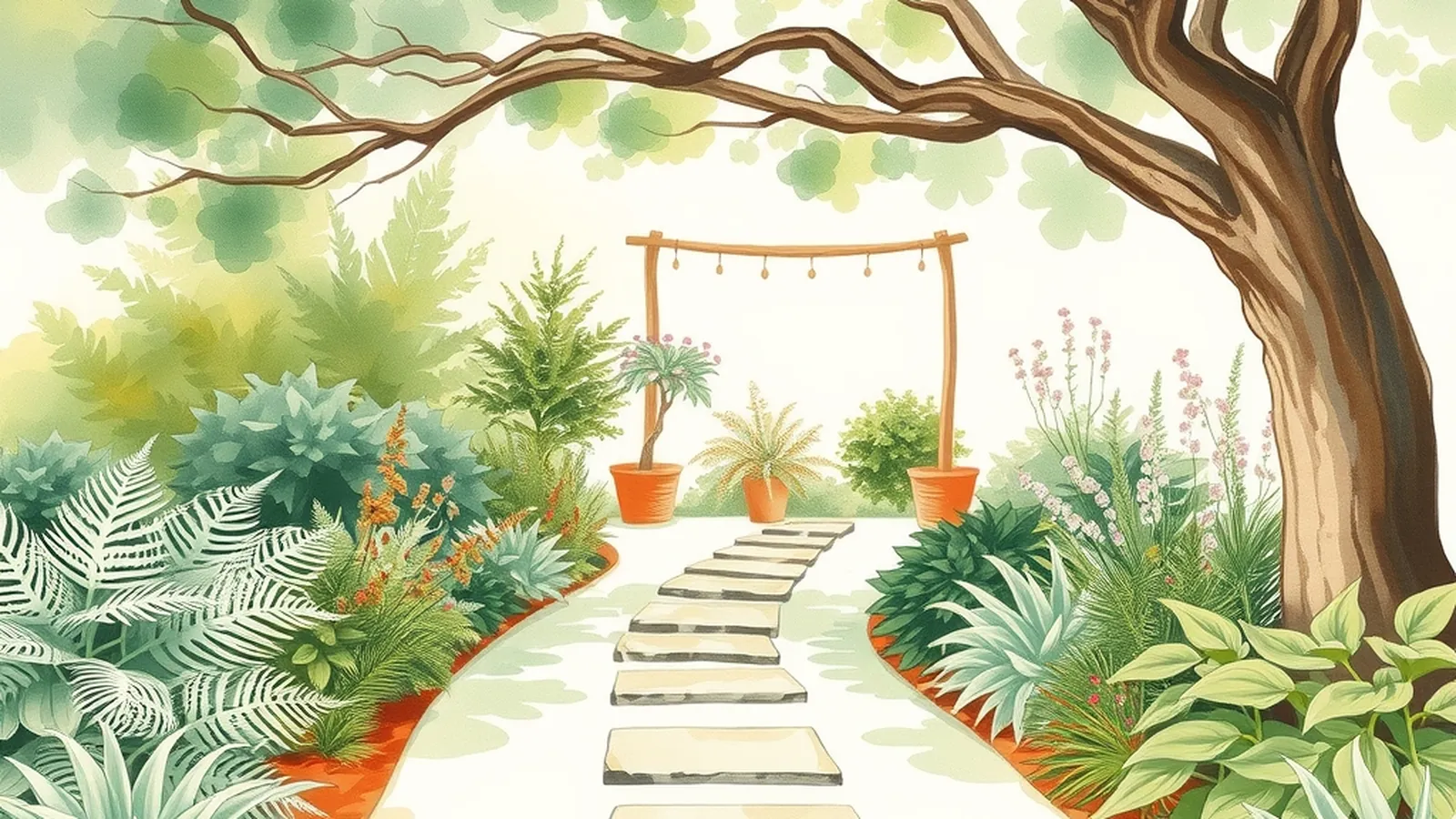
The best plants for shade depend on what kind of shade you have. Light or dappled shade suits a wide range of perennials, shrubs and woodland flowers. Deep shade calls for tough foliage plants and groundcovers. Dry shade under trees needs plants that can handle root competition. Match the plant to the light and soil you actually have, and lean on leaf color and texture as much as flowers.
Shady yards are common, especially in older neighborhoods with big trees. This guide in our Lawn & Yard section helps you stop fighting the shade and start using it.
Step one: figure out what kind of shade you have
"Shade" covers a lot of ground. Spend a day noting when sun reaches the spot. Our guide to full sun vs. partial shade shows how to map light hour by hour.
| Type of shade | What it looks like | What it suits |
|---|---|---|
| Part shade | A few hours of direct sun, often morning, then shade | Many perennials and shrubs labeled "part shade" |
| Dappled or light shade | Shifting sun through an open tree canopy most of the day | Woodland flowers, ferns, many shrubs |
| Full shade | Little or no direct sun, but bright open sky | Ferns, hostas, shade groundcovers, some woodland natives |
| Deep shade | Under dense evergreens or between buildings; dim all day | The toughest foliage plants and groundcovers only |
| Dry shade | Shade under trees where roots drink up rain | Plants adapted to root competition and dry soil |
Afternoon sun is hotter and harsher than morning sun, so a spot with afternoon sun counts as sunnier than the same hours in the morning.
Why foliage matters most
Most shade plants flower less than sun lovers, or bloom mainly in spring before trees leaf out. That makes leaves the star. Mix:
- Colors: silver, chartreuse, deep green, burgundy and variegated leaves brighten dark corners.
- Textures: fine, feathery ferns next to big, bold leaves make each stand out.
- Shapes and heights: low groundcovers in front, mounding plants in the middle, shrubs or tall ferns at the back.
Light-colored and variegated leaves reflect light and help a shady area feel brighter, especially near a patio or path.
Woodland plants to look for
Many of the best shade plants grow naturally in forests. Look for these types of plants, and check which ones suit your region:
- Ferns, which come in many sizes and handle a range of shade.
- Spring woodland wildflowers that bloom before trees leaf out, then go quiet in summer.
- Shade-tolerant perennials grown mainly for foliage, such as hostas, heucheras and similar plants.
- Native sedges, grass-like plants that often handle dry shade.
- Groundcovers that spread to cover soil under trees.
- Understory shrubs and small trees that naturally grow beneath taller trees.
Native woodland plants are often a strong choice because they're adapted to local forests and support local insects. Our native plants guide explains how to find them, and some woodland natives give early-season food for bees, which ties into a pollinator garden. Avoid groundcovers listed as invasive in your state, since some popular ones spread into nearby woods.
Before you plant, check whether any choices are toxic to pets if your dog or cat spends time in that part of the yard.
Planting under trees
The soil under established trees is full of roots, often dry and sometimes compacted. Plant in ways that protect the tree:
- Don't pile on soil. A thick new layer of soil over roots can harm the tree. Stick to a light layer of mulch.
- Plant small. Choose small plants or plugs that fit into pockets between roots. Use a hand trowel and work around roots rather than cutting large ones.
- Keep mulch off the trunk. Leave the base of the trunk and the flare where it widens into roots exposed.
- Water new plants regularly. Tree roots compete for every drop, so new plants need consistent watering through their first season or two.
- Keep plants away from the trunk. Leave a ring of open mulched space right around the base.
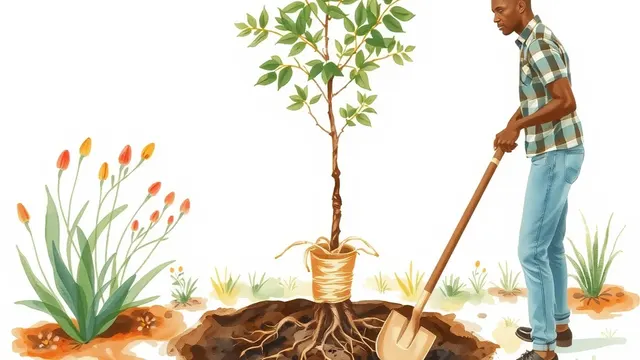
If you're adding new trees or shrubs to make shade for the future, our guide to planting trees and shrubs covers hole size, the root flare and first-year watering.
Dry shade strategies
Dry shade is the trickiest shade. A few ideas help:
- Use mulch to hold moisture and add organic matter over time.
- Choose plants known to handle dry shade, which your Extension office or native plant society can suggest.
- Group plants with similar water needs together. Our drought-tolerant landscaping guide explains this "hydrozone" approach.
- Consider a soaker hose or drip line snaked through the bed for the first few years.
Bringing shade lessons indoors
If your home is shady too, many of the same principles apply to houseplants. Our guide to low light houseplants explains what "low light" really means indoors and which plants tolerate it.
Example: a shady side yard
Example: Casey had a narrow side yard between their house and the neighbor's that got about two hours of morning sun and nothing else. Grass there had been thin for years. They removed what was left of it, added a few inches of compost to the bed (no trees nearby, so no roots to worry about), and planted a mix of ferns, a variegated groundcover and a few foliage perennials. A stepping-stone path ran through the middle. They watered weekly the first summer. The side yard went from a muddy strip to a cool green walkway, though a few plants didn't make it and had to be swapped. Every site behaves a little differently.
Get local help
Shade plant choices vary a lot by region. Your county Extension office and its Master Gardener volunteers can suggest plants that handle your type of shade and soil. Our guide to free gardening help explains how to reach them.
Something to do this weekend
Pick one shady spot. Check it at morning, midday and late afternoon, and note how much direct sun it gets and whether the soil is moist or dry. Use the table above to name your shade type, then list three plants suited to it to look for at your next nursery visit or plant sale.
Want a step-by-step plan or guide?
Some people like the structure of a paid guide or set of plans. This button opens a third-party program from one of our advertising partners. Its claims are its own, not ours, so weigh them against our checklist for judging paid plans.
See the partner program →We may be paid when you click. The program shown can change. Read its terms before you buy anything. How this works
Frequently asked questions
Can grass grow in shade?
Some grass types tolerate light or part shade, but very few do well in deep shade. If grass keeps thinning under trees despite good care, a shade-tolerant groundcover or a planted bed is often a better fit.
Can I pile soil under a tree to make a planting bed?
It's best not to. Adding a thick layer of soil over tree roots can harm the tree. Plant small plants into pockets between roots and add a light layer of mulch instead.
Do shade plants need less water?
Not always. Some shade, especially dry shade under trees, can be very dry because tree roots take most of the water. New plants there need regular watering until they establish.