Why Plant Native Plants
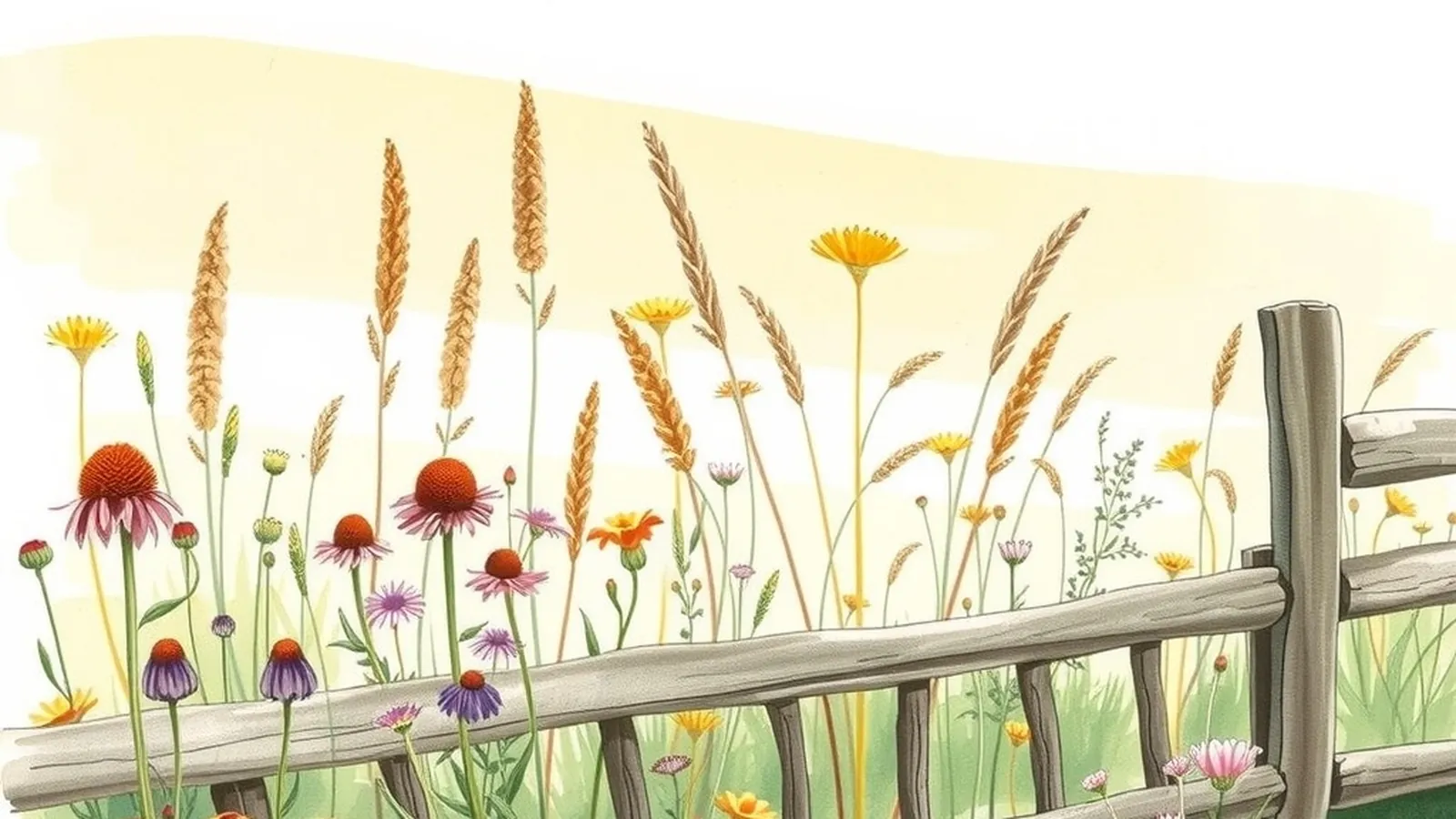
Native plants are worth growing because they're adapted to your region's climate, soil and seasons, and because local insects, birds and other wildlife evolved alongside them. Planted in the right spot, many natives need less watering and fussing once established than typical landscape plants. The key word is "local": the best natives for you are the ones that grow naturally near where you live.
This guide in our Lawn & Yard section explains what native plants offer, what they don't, and how to find good choices for your own yard.
What "native" means
A native plant is generally one that occurred naturally in a region before European settlement, without people bringing it in. Some terms you'll run into:
- Native: grows naturally in your region.
- Non-native or exotic: introduced from somewhere else. Many are harmless garden plants.
- Invasive: a non-native plant that spreads aggressively and crowds out other plants. Your state likely keeps an invasive plant list.
- Cultivar or "nativar": a selected or bred version of a native plant, often with a different flower color or size. These vary in how much wildlife uses them compared with the straight species.
Native depends on place. A prairie plant from the Midwest isn't native to coastal California, and a Southeastern woodland plant may struggle in the Rockies.
Why native plants are worth it
They're adapted to local conditions
Plants that evolved in your region are used to its rainfall patterns, winter cold and soil types. That doesn't mean every native will thrive anywhere in your yard, since a wetland native still wants wet ground, but a native matched to the right spot often needs less extra water and care once its roots settle in.
Hardiness zones are part of this picture. The USDA zone map tells you which perennials can typically survive your winter low temperatures, but it doesn't account for summer heat, rain or frost dates. Our guide to planting zones explains what zones can and can't tell you.
They support wildlife
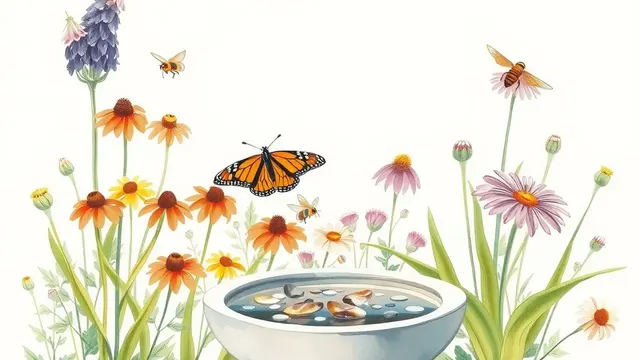
Many native insects, including the caterpillars that birds feed their young, depend on specific native plants. Native flowers give pollinators nectar and pollen across the seasons, and native shrubs and grasses offer seeds, berries and shelter. If you'd like to plan specifically for bees and butterflies, our pollinator garden guide builds on this.
They can reduce lawn work
Replacing a hard-to-mow slope, a soggy low spot or a weedy corner with native plants can mean less mowing and less fighting with grass that doesn't want to grow there. In shady areas under trees, native woodland plants are often a better fit than turf; see our shade garden guide for ideas.
What native plants don't do
It's worth being honest about limits:
- They aren't automatically low maintenance. New plantings need regular watering and weeding until they establish, which can take a season or more.
- They aren't pest-proof. Insects will eat some leaves. That's often a sign the plants are doing their job feeding wildlife.
- They aren't all tidy. Some natives sprawl, self-seed or look scraggly in winter. Choosing well-behaved species for front yards helps.
- Some are toxic. A few native plants are poisonous to pets or people if eaten. Check the ASPCA's toxic and non-toxic plant lists, explained in our pet-safe plants guide, before planting where dogs or cats roam.
How to find natives for your yard
You don't need to become a botanist. A few good sources will get you far.
- Your Cooperative Extension office. Many state Extension services publish native plant lists and landscaping guides for their region, and Master Gardener volunteers can answer questions about your yard. Our guide to free gardening and home help explains how to find your office and what services it offers.
- Your state native plant society. Most states have one. They often run plant sales, garden tours, talks and online plant lists sorted by region and growing conditions.
- Local nature centers, botanical gardens and parks. Seeing natives growing nearby shows you how big they get and how they look through the seasons.
- Local nurseries. Ask which plants they carry that are native to your area, and ask for botanical names. Common names are often shared by different plants.
Matching natives to your site
Before you shop, jot down the basics for the spot you want to plant:
| Question | Why it matters |
|---|---|
| How many hours of direct sun does it get? | Sun-loving prairie plants sulk in shade, and woodland plants scorch in full sun |
| Is the soil sandy, loamy or clay? | Many natives are adapted to one type |
| Does water puddle after rain, or drain fast? | Some natives like wet feet, others rot |
| How big can the plant get here? | Avoid crowding walkways, windows and utility lines |
| Who uses this space? | Kids, pets and foot traffic affect your choices |
Bring this list to a native plant sale or Extension office. You'll get much better recommendations.
Example: replacing a weedy strip
Example: Morgan had a narrow strip between the driveway and the neighbor's fence that was hard to mow and full of lawn weeds. They noted that it got full afternoon sun and drained fast. At their state native plant society's spring sale, they asked for drought-tolerant natives suited to sunny, sandy soil, and came home with a few flowering perennials and a native bunchgrass. They removed the turf, planted in spring, mulched and watered regularly the first summer. By the second year, the strip needed little more than an occasional weeding and a cutback in late winter. Every yard and region is different, and some plants may not take.
Starting small
You don't need to rip out your whole yard. Good first projects:
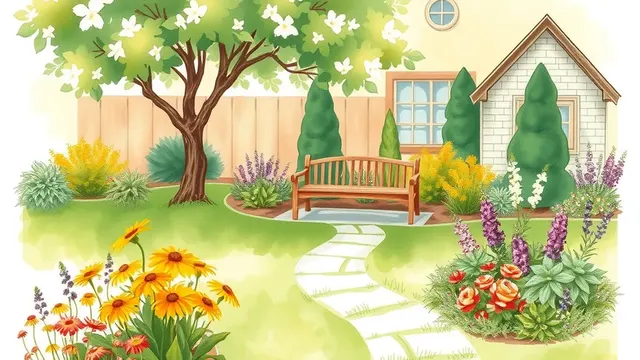
- A small native bed along a sunny fence.
- A few native shrubs in place of non-native foundation plantings.
- Native groundcovers under a tree where grass won't grow.
- One native tree, planted carefully.
Something to do this weekend
Look up your state's native plant society and your county Extension office online. Find one native plant list for your region and pick three plants that match the sun and soil of one spot in your yard. Then note the dates of any upcoming native plant sales near you.
Want a step-by-step plan or guide?
Some people like the structure of a paid guide or set of plans. This button opens a third-party program from one of our advertising partners. Its claims are its own, not ours, so weigh them against our checklist for judging paid plans.
See the partner program →We may be paid when you click. The program shown can change. Read its terms before you buy anything. How this works
Frequently asked questions
What counts as a native plant?
Generally, a plant that grew naturally in a particular region before European settlement, without people introducing it. Native is always local: a plant native to one part of the country may not be native to yours.
Are native plants maintenance-free?
No. Once established in the right spot, many natives need less watering and fussing than typical lawn and landscape plants, but they still need watering while they establish, some weeding and occasional cutting back.
Where can I buy native plants?
Look for native plant sales run by native plant societies, nature centers and Extension Master Gardener groups, and ask local nurseries which plants they carry that are native to your region. Ask for the plant's botanical name so you know exactly what you're buying.