How to Get Rid of Weeds in Your Lawn

The most reliable way to get rid of weeds in a lawn is to grow grass thick enough that weeds have no room. Mow high, fill bare spots with seed, water deeply and pull young weeds by hand when the soil is moist. If you decide to use an herbicide, choose one labeled for your weed and your grass, and follow the label exactly.
Weeds are a symptom more often than a cause. This guide in our Lawn & Yard section looks at what they're telling you and how to respond, gentlest steps first.
What weeds are telling you
Many weeds thrive in conditions that grass dislikes. Fixing the condition often does more than pulling the weed.
| Weed or sign | What it often points to | What to try |
|---|---|---|
| Crabgrass in thin, sunny spots | Grass mowed too short, bare soil | Mow higher and overseed |
| Moss | Shade, damp soil, compaction or acidic soil | Improve drainage, soil test, consider shade plants |
| Plantain and knotweed along paths | Compacted soil from foot traffic | Aerate, add a stepping-stone path |
| Clover | Low nitrogen in the soil | Soil test, or simply let it stay |
| Nutsedge (shiny, grass-like, triangular stems) | Soil that stays wet | Fix drainage, cut back on watering |
| Violets in shady areas | Shade and moist soil | Accept them or replant with shade lovers |
These are general patterns, not certain diagnoses. A soil test and a call to your local Cooperative Extension office can confirm what's going on.
Step one: thicken the turf
Grass that's tall and dense shades the soil so weed seeds struggle to sprout. To build that kind of lawn:
- Mow at the high end of the recommended range for your grass type. Our mowing tips explain the one-third idea.
- Fill bare patches promptly. Overseeding at the right season is one of the best weed-prevention steps you can take.
- Water deeply and less often so grass roots grow down while shallow-rooted weeds dry out.
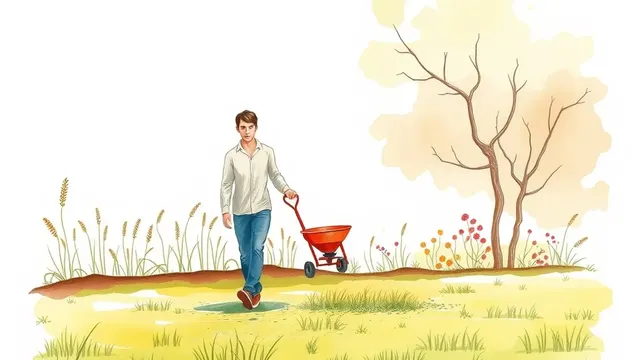
- Feed only if a soil test says to, at the time your grass is actively growing.
Step two: pull weeds the smart way
Hand pulling works well for small lawns and scattered weeds, and it's the safest option around kids, pets and pollinators.
- Pull after rain or watering. Moist soil lets roots slide out.
- Get the root. For deep-rooted weeds like dandelions, slide a long, narrow weeding tool beside the root and lever it out.
- Start early. Young weeds are easier to pull and haven't set seed yet.
- Don't let them seed. If you can't pull everything, at least snap off flowers before they go to seed.
- Fill the hole. Press soil back in and sprinkle a little grass seed so a new weed doesn't move in.
Try a short routine: ten minutes with a bucket and weeding tool once or twice a week in spring and fall. It goes faster than you'd think.
Step three: rethink "weeds"
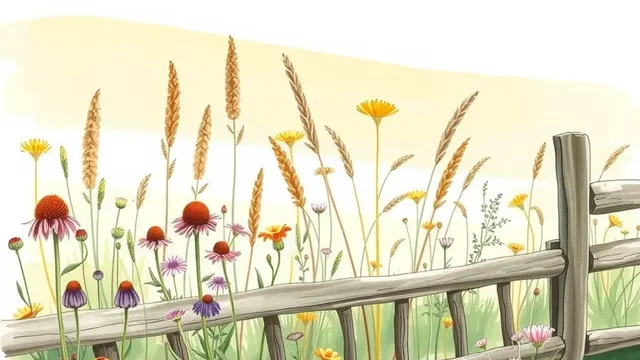
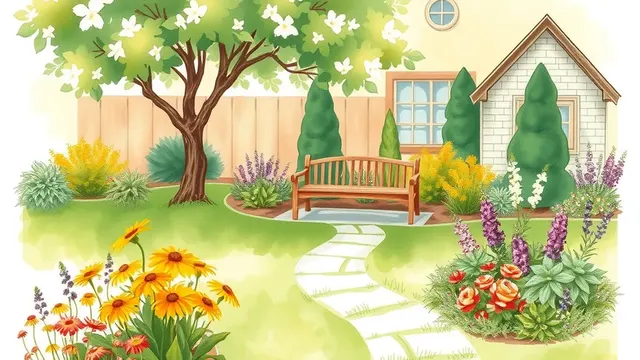
Not every non-grass plant needs to go. Clover, violets and some low-growing flowers stay green, handle traffic and give bees early food. Many homeowners now keep a mixed lawn on purpose, or turn a weedy corner into a bed of native plants that need less mowing. If supporting bees and butterflies appeals to you, our pollinator garden guide shows how to make that corner work.
Check any HOA or local rules before you let part of the lawn grow longer.
Step four: if you use an herbicide
Sometimes a weed problem is large or stubborn enough that you decide to use an herbicide. If you do, a few rules matter.
The label is the law. The EPA treats the pesticide label as a legal document, and using a product in a way the label doesn't allow is against federal law. Herbicides count as pesticides. Our guide to using pesticides safely covers this in depth, including protective gear and storage.
Before you buy and before you spray:
- Identify the weed and choose a product labeled for that weed.
- Check that it's labeled for your grass type. Some products harm certain lawn grasses.
- Know whether it's selective or non-selective. Selective products are meant to target certain weeds; non-selective ones can kill any plant they touch, including your grass.
- Spot treat individual weeds rather than spraying the whole lawn when you can.
- Watch the weather. Many labels warn against applying before rain, in wind or in high heat.
- Protect yourself. Wear the gloves, eye protection and clothing the label calls for.
- Keep people and pets off treated areas as long as the label says.
- Avoid blooms. Don't spray flowering weeds or plants that bees are visiting.
- Store and dispose of it properly. Keep products in their original containers, locked or high up, away from kids and pets.
- Never mix products unless the label specifically tells you to.
If someone swallows a lawn product or gets it in their eyes, call Poison Help at 1-800-222-1222, or 911 if they're having trouble breathing or are unresponsive. For pets, contact your vet or the ASPCA Animal Poison Control Center.
Example: a dandelion lawn
Example: Alex moved into a rental where the front lawn was more dandelion than grass. Their lease said they were responsible for mowing but not treatments, so they started with habits. They raised the mower, spent fifteen minutes twice a week pulling dandelions with a weeding tool after rain, and asked the landlord about overseeding in early fall. The landlord agreed and paid for seed. The next spring there were still some dandelions, but fewer, and Alex had learned which spots stayed thin and needed more seed. No lawn stays weed-free, and that's okay.
A simple seasonal weed plan
| Season | Focus |
|---|---|
| Early spring | Pull young weeds, note thin spots |
| Late spring | Mow high, keep pulling before flowers go to seed |
| Summer | Water deeply, avoid stressing grass, pull as needed |
| Early fall | Overseed thin areas, pull perennial weeds |
| Late fall | Final pulls, plan next year's changes |
Something to do this weekend
Pick one small section of lawn, about the size of a parking space. Identify the three most common weeds in it using the table above, pull what you can after a watering, and drop a pinch of seed in each hole. Then write down what conditions you noticed, like shade, wet soil or bare patches, so you can fix the cause.
Want a step-by-step plan or guide?
Some people like the structure of a paid guide or set of plans. This button opens a third-party program from one of our advertising partners. Its claims are its own, not ours, so weigh them against our checklist for judging paid plans.
See the partner program →We may be paid when you click. The program shown can change. Read its terms before you buy anything. How this works
Frequently asked questions
What is the best way to get rid of dandelions?
Pull them when the soil is moist, using a long, narrow weeding tool to get as much of the taproot as you can. Remove flowers before they turn to fluffy seed heads, and thicken the lawn so new seeds have less room to sprout.
Is clover a weed?
It depends on your goals. Many people now welcome clover because it stays green, handles foot traffic and feeds bees. If you'd rather not have it, healthy, well-fed turf and hand pulling keep it in check.
Is weed and feed safe for pets?
Any lawn product can be risky if it's misused. Read the label for how long to keep pets and people off the lawn, store it out of reach, and call the ASPCA Animal Poison Control Center at (888) 426-4435 if you think your pet was exposed.