How High to Mow Grass
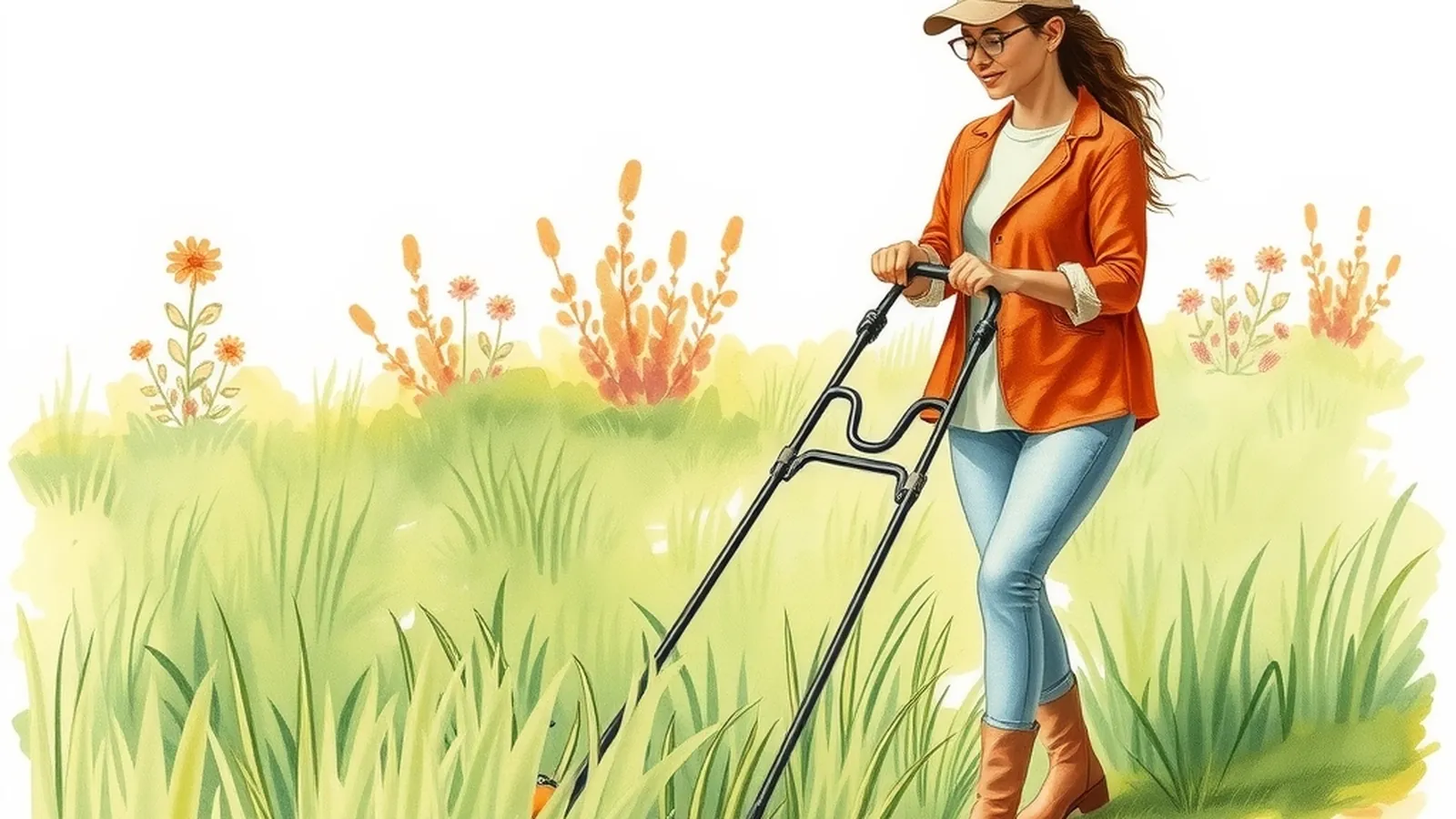
For most lawns, mow at the higher end of the range recommended for your grass type, and never cut off more than about one-third of the blade's height at once. Keep the mower blade sharp so it slices rather than tears, and leave the short clippings on the lawn to feed the soil. Those few habits do more for a healthy lawn than most products you can buy.
Mowing is the one lawn job you'll do dozens of times a year, which is why it gets its own page in our Lawn & Yard section. Small changes here add up quickly.
Why taller grass is healthier
Each grass blade is a little solar panel. When you leave more of it, the plant can make more food and grow deeper roots. Taller grass also:
- Shades the soil, which keeps it cooler and slows water loss.
- Blocks light from reaching weed seeds that need sun to sprout.
- Recovers faster from heat, drought and foot traffic.
Recommended heights vary a lot by grass type. Some warm-season grasses are meant to be kept fairly low, while most cool-season grasses do better taller. If you don't know your grass type, start with our lawn care basics guide, then ask your local Cooperative Extension office for the recommended mowing range in your area. Once you have it, set your mower toward the top of that range, especially in summer.
The one-third idea
The one-third rule is simple: each time you mow, remove no more than about a third of the grass height. If you want your lawn to sit at a certain height, mow when it has grown about half again that tall.
Cutting more than that in one go shocks the grass. It loses a big share of its leaf area at once, roots stop growing for a while, and the lawn can turn yellow or brown for days.
What this means in practice:
- In spring and early fall, when grass grows fast, you may need to mow more than once a week.
- In summer heat or drought, growth slows and you can mow less often.
- After a vacation, don't scalp it back in one pass. Raise the mower to its highest setting, mow, wait a few days, then lower it a notch and mow again.
Keep the blade sharp
A dull blade tears grass instead of cutting it. Torn tips turn brown and ragged, lose more water and give diseases an easy way in.
To check your blade, look closely at the grass a day after mowing. Clean, straight tips mean the blade is sharp. Frayed, whitish or brown tips mean it's time to sharpen.
Before you touch the blade:
- Turn the mower off and let it cool.
- For a gas mower, disconnect the spark plug wire so it can't start. For a battery mower, remove the battery. For a corded mower, unplug it.
- Wear sturdy work gloves, since blades are sharp even when dull.
- Follow your mower's manual for removing and reinstalling the blade, and make sure it's balanced and tightened afterward.
If that feels like more than you want to take on, many hardware stores and small engine shops will sharpen blades for you. Our home maintenance checklist is a good place to add "sharpen mower blade" alongside your other seasonal tasks so it doesn't get forgotten.
Leave the clippings
Short clippings fall down between the grass blades and break down fast, returning nutrients and organic matter to the soil. This is often called "grasscycling," and it means less raking, less bagging and less need for fertilizer.
A few exceptions:
- Very long, wet clumps can smother grass. Spread them out with a rake or run the mower over them again once they dry.
- Clippings on sidewalks and driveways should be swept or blown back onto the lawn so they don't wash into storm drains.
- Grass with weeds going to seed may be worth bagging for a mow or two so you don't spread seeds.
Extra clippings you do collect can go into a compost pile in thin layers, mixed with dry leaves.
Smart mowing habits
| Habit | Why it helps |
|---|---|
| Mow when the grass is dry | Wet grass clumps, clogs the mower and cuts unevenly |
| Change your mowing pattern | Alternating directions keeps grass from leaning and reduces ruts |
| Mow in the cooler part of the day | Less stress on grass and on you |
| Skip mowing during drought dormancy | Dormant grass isn't growing, and traffic can damage it |
| Avoid sharp turns on soft ground | Pivoting wheels can tear up turf |
| Leave a small unmowed strip or patch | Gives pollinators and insects a little habitat, if local rules allow |
Mowing high and keeping the lawn thick is also your first defense against weeds. Our guide to getting rid of lawn weeds builds on this before it ever gets to sprays.
Example: fixing a scalped lawn
Example: Sam had always mowed as low as the mower would go, thinking it meant fewer cuts. By midsummer the lawn had brown patches and crabgrass. They raised the deck to the highest setting, sharpened the blade and began mowing every five or six days in spring instead of every two weeks. They let the clippings fall. The brown patches didn't disappear overnight, but new growth came in greener, and in fall Sam overseeded the thinnest areas to fill them in. How quickly a lawn bounces back depends on the grass, the weather and the soil, so patience is part of the plan.
Mowing safety
- Wear closed-toe shoes, long pants, safety glasses and hearing protection.
- Walk the lawn first and pick up sticks, stones, toys and dog toys that can become projectiles.
- Keep kids and pets indoors or well away while you mow, and never let anyone ride on a mower with you.
- Mow across slopes with a push mower, not up and down, and skip steep slopes entirely. Follow your mower's manual for riding mowers.
- Never put your hand or foot under the deck while the mower is running. Shut it off and disconnect power before clearing a clog.
- Refuel a gas mower only when the engine is cool, outdoors, and follow the fuel can and mower labels.
Something to do this weekend
Before your next mow, check the grass tips from your last one. If they look shredded, sharpen or replace the blade. Then raise the mower one or two notches from where it's been, and plan to mow a bit more often so you're only taking off the top third. Watch how the lawn looks over the next month.
Want a step-by-step plan or guide?
Some people like the structure of a paid guide or set of plans. This button opens a third-party program from one of our advertising partners. Its claims are its own, not ours, so weigh them against our checklist for judging paid plans.
See the partner program →We may be paid when you click. The program shown can change. Read its terms before you buy anything. How this works
Frequently asked questions
Is it better to cut grass short so I mow less often?
Usually not. Cutting very short stresses the grass, exposes soil to sun and weed seeds, and can make the lawn brown faster in heat. Mowing a little higher and a little more often is easier on the lawn.
Do grass clippings cause thatch?
Short clippings from regular mowing break down quickly and return nutrients to the soil. Thatch is mostly made of tougher stems and roots, so leaving normal clippings on the lawn is generally fine.
How often should I sharpen my mower blade?
Check it whenever the grass tips look torn or frayed instead of cleanly cut. Many people sharpen at the start of the season and again partway through, and more often if they hit sticks or stones.