How to Improve Garden Soil
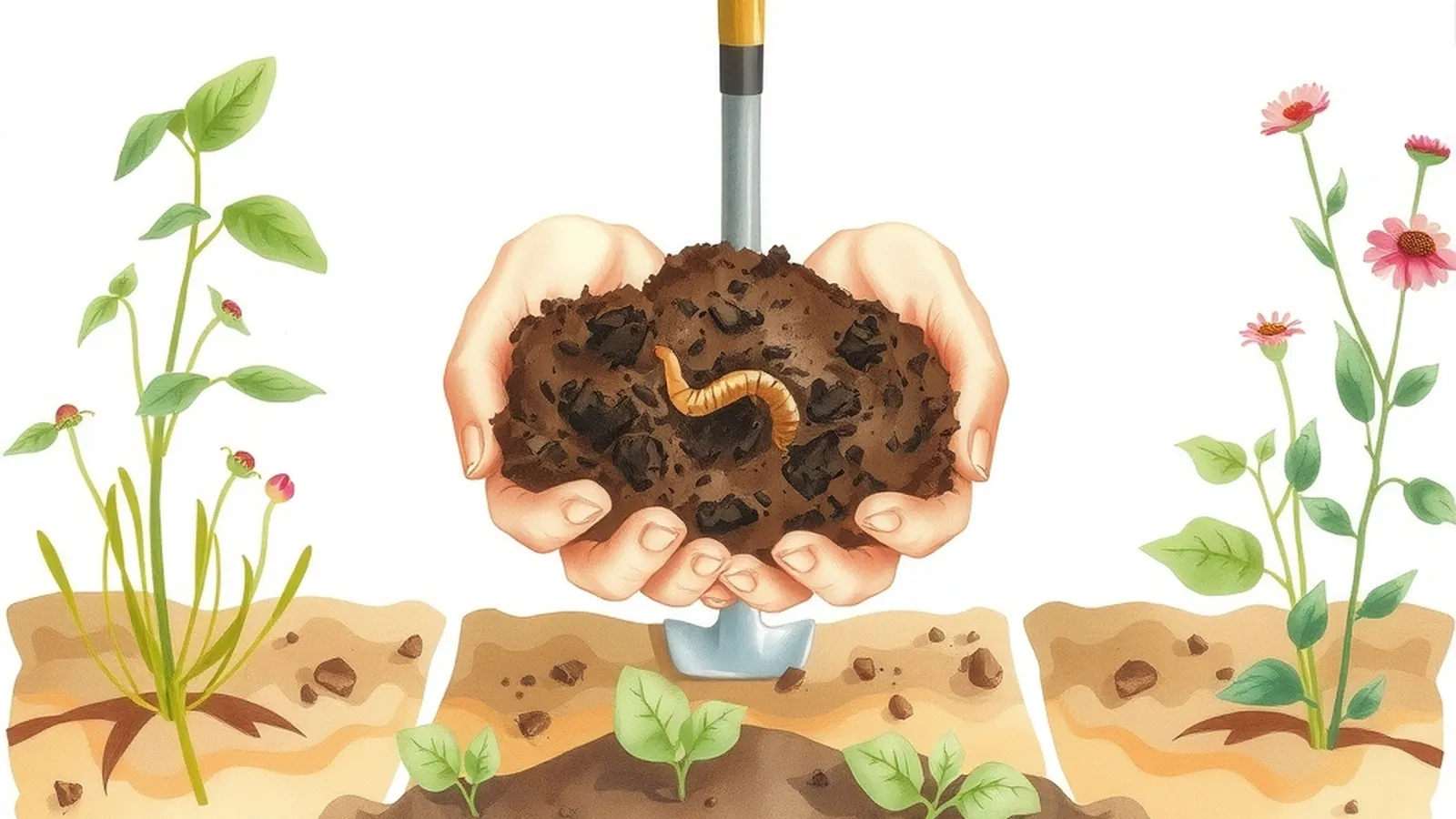
To improve garden soil, add organic matter such as compost every year, avoid walking on or digging soil when it's wet, keep the surface covered with mulch or plants, and fix drainage problems before you plant. Those steps help almost every soil type, from heavy clay to loose sand. Start by learning what kind of soil you have, so you know what it needs most.
Soil is one of the core foundations in our Garden Basics section. This guide covers the parts you can see and feel at home.
What good garden soil looks like
Healthy garden soil is usually:
- Crumbly when moist, breaking into small clumps rather than one sticky ball or loose grains
- Dark from organic matter
- Well drained, so water soaks in rather than puddling for hours
- Alive, with earthworms and other small creatures
- Easy to dig with a spade or fork
Few yards start this way. The good news is that soil improves with care over time.
Soil texture: sand, silt and clay
Texture describes the size of the mineral particles in your soil. Most soils are a mix.
| Texture | How it feels | Strengths | Challenges |
|---|---|---|---|
| Sandy | Gritty, falls apart in your hand | Drains well, warms quickly in spring | Dries out fast, loses nutrients |
| Silty | Smooth, a bit like flour | Holds moisture and nutrients | Can crust over and pack down |
| Clay | Sticky when wet, hard when dry | Holds nutrients well | Drains slowly, hard to dig |
| Loam | A balanced mix | Drains and holds water well | The goal for most gardens |
You can't change your soil's texture quickly, but organic matter improves how every texture behaves. It helps sandy soil hold water and helps clay soil drain and loosen.
Try the jar test
This simple test gives you a rough idea of your soil's texture. It's not as precise as a lab test, but it's free and interesting to watch.
- Dig a few small scoops of soil from several spots in your garden, from the top several inches. Remove rocks, roots and debris.
- Fill a clear straight-sided jar about one third full with the soil.
- Add water until the jar is nearly full, then add a small drop of dish soap to help particles separate.
- Put the lid on tightly and shake hard for a few minutes.
- Set the jar somewhere it won't be disturbed.
- After about a minute, mark the level of the settled layer. That's mostly sand.
- After a few hours, mark the next layer. That's mostly silt.
- After a day or two, mark the top layer once the water clears. That's mostly clay.
Compare the thickness of each layer. A thick bottom layer means sandy soil. A thick top layer means more clay. Fairly even layers suggest loam.
Check your drainage
Drainage matters as much as texture. Roots need air as well as water, and soggy soil can rot them. To check:
- Dig a hole about a foot deep and a foot wide.
- Fill it with water and let it drain completely.
- Fill it again and note how long the water takes to drain.
If the water is still standing many hours later, your drainage is poor. Options include adding organic matter over time, building raised beds or choosing plants that tolerate wet feet. If water drains away almost at once, your soil may be very sandy and will benefit from more organic matter to hold moisture.
Add organic matter
Organic matter is the single most helpful thing you can add. Good sources include:
- Compost, homemade or bought
- Shredded leaves, which break down into rich soil over time
- Aged manure from a reliable source, fully composted before use on food gardens
- Cover crops, plants grown to be turned back into the soil
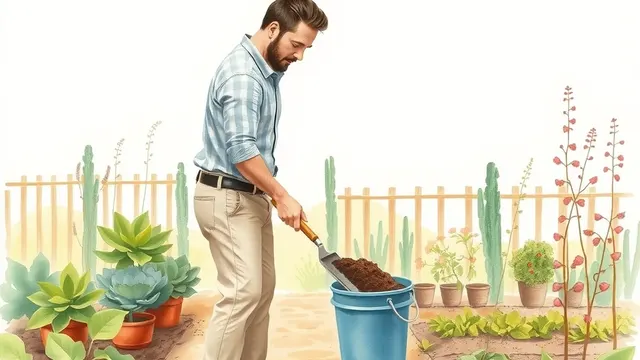
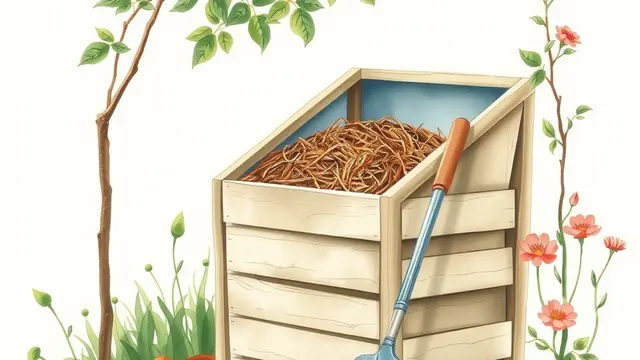
Spread a couple of inches of compost on your beds each year, either in spring before planting or in fall after clearing. You can mix it into the top few inches or simply leave it on top for worms to pull down. Making your own is easier than it sounds. Our beginner composting guide explains greens, browns and bins.
Try the squeeze test, too
For a quick check without a jar, grab a handful of moist soil and squeeze it. If it falls apart right away, it's likely sandy. If it forms a ball that crumbles when you poke it, it's closer to loam. If it forms a sticky ball you can press into a smooth ribbon between your thumb and finger, it has a lot of clay.
Protect what you build
Good soil can be damaged quickly. To protect it:
- Stay off your beds. Use paths so soil doesn't pack down.
- Don't work wet soil. Digging wet clay can leave hard clods for months. Wait until a handful crumbles instead of smearing.
- Keep it covered. Mulch, plants or cover crops protect soil from crusting, erosion and weeds.
- Dig less. Once beds are established, many gardeners just add compost on top each year rather than turning the soil deeply.
A worked example
Here's an example for a fictional first-time homeowner, Morgan, whose new yard has heavy clay. Morgan's jar test showed a thick top layer, and a drainage test left water standing well into the evening.
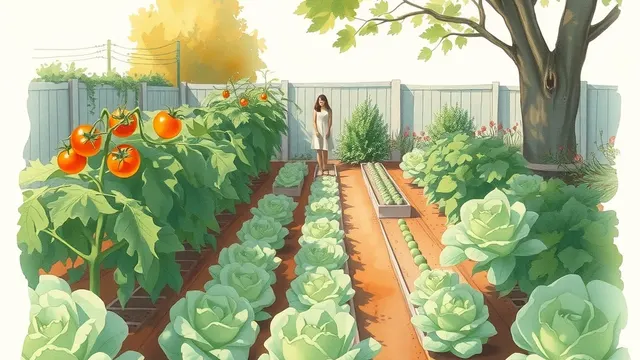
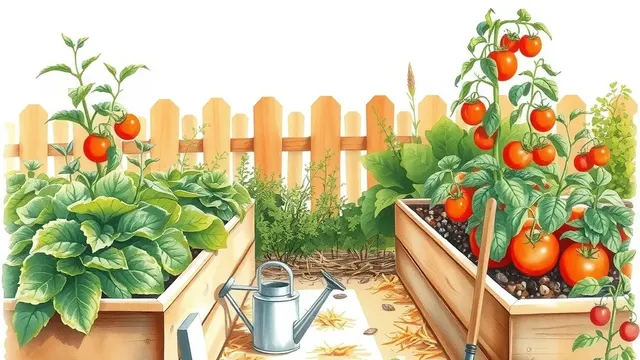
Morgan decides to build two raised beds for vegetables and fill them with a mix of topsoil and compost. For the flower border, Morgan spreads compost every fall, mulches with shredded leaves and stays off the soil when it's wet. Over a few seasons, the border becomes easier to dig.
When to go further
Feel and jar tests tell you about texture, but not pH or nutrients. For that, test your garden soil through a lab before you add lime, sulfur or fertilizer. Good soil also needs good light, so check your spot with our guide to full sun vs partial shade.
Healthy soil also supports healthy seed crops. If you'd like to grow plants and keep their seed for next year, our guide to saving seeds explains which crops are easiest to start with.
Something to do this weekend
Gather soil from three spots in your garden and start a jar test on Saturday morning. Check it Sunday evening. While you wait, do the drainage test in the same bed.
Want a step-by-step plan or guide?
Some people like the structure of a paid guide or set of plans. This button opens a third-party program from one of our advertising partners. Its claims are its own, not ours, so weigh them against our checklist for judging paid plans.
See the partner program →We may be paid when you click. The program shown can change. Read its terms before you buy anything. How this works
Frequently asked questions
What is the fastest way to improve garden soil?
Adding compost or other organic matter is the most reliable step for almost every soil type. Improvement still takes time, though, and soil usually gets better over several seasons of adding organic matter and keeping it covered.
How do I fix clay soil?
Add compost and other organic matter regularly, avoid working the soil when it's wet, and don't walk on your beds. Raised beds are another good option if drainage is very poor.
Should I add sand to clay soil?
It's usually not recommended. Adding a little sand to clay can make it harder, not looser. Organic matter such as compost is the better choice.