Hydroponics for Beginners
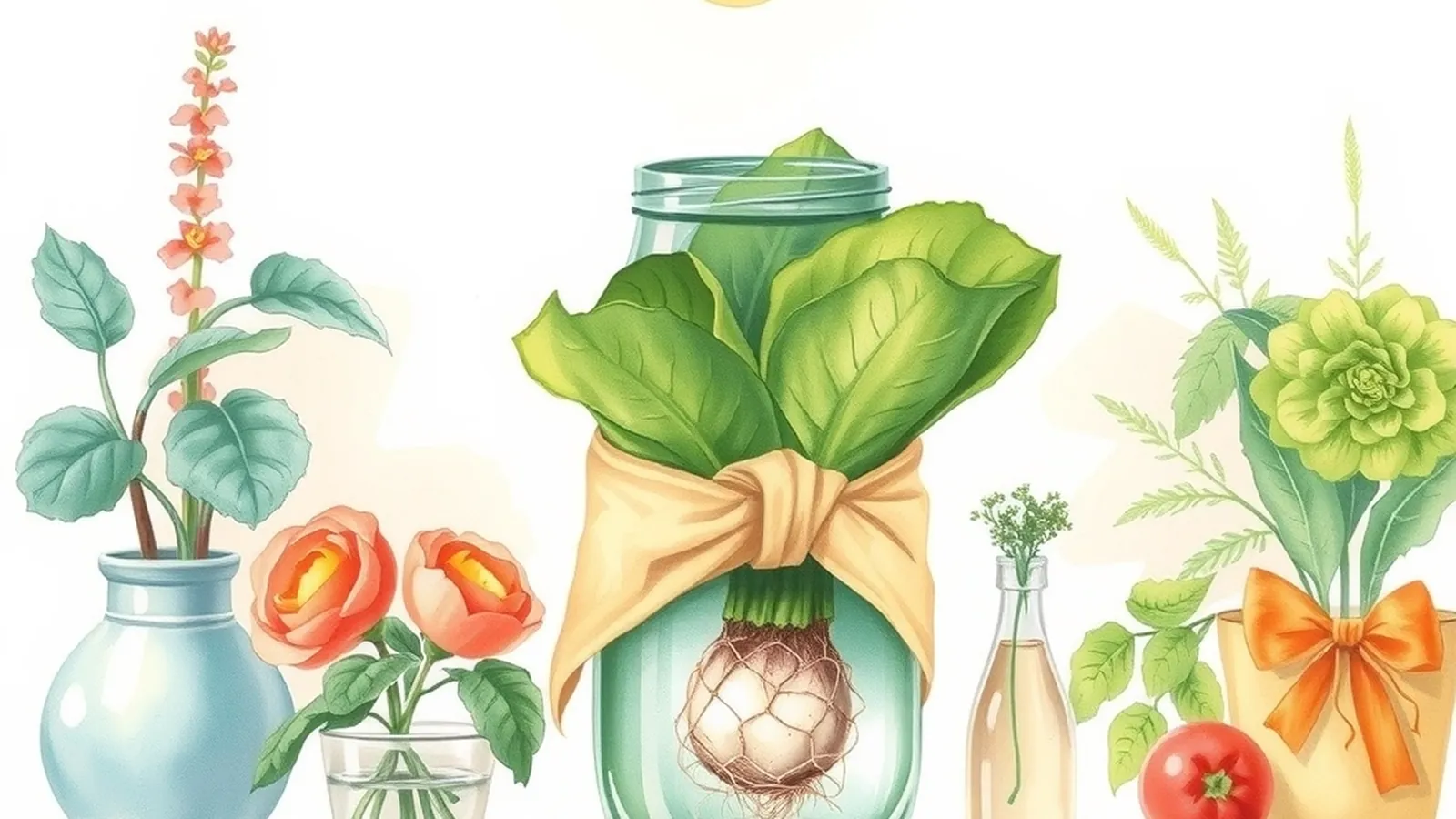
Hydroponics is growing plants without soil, with their roots in water that carries dissolved nutrients. For a beginner, the simplest setups are a passive jar or tote system (often called the Kratky method) and a countertop unit with a built-in light. Leafy greens and herbs are the easiest crops, and the main upkeep is checking water level, refreshing the nutrient solution and keeping everything clean.
Hydroponics is one of the more technical options in our Small Spaces section, but small setups are manageable. Here's how it works and what to expect.
How hydroponics works
In soil, roots find water, air and nutrients in the spaces between soil particles. In hydroponics, you supply all three directly:
- Water surrounds the roots or flows past them.
- Nutrients come from a product made for hydroponics, mixed into the water.
- Air reaches roots through an air gap, a bubbler or water that moves.
- Support comes from a growing medium like rockwool cubes, clay pebbles or coco coir held in net cups.
Plants also still need light. Indoors, that usually means a grow light.
Common beginner setups
| Setup | How it works, in general terms | Upkeep | Good for |
|---|---|---|---|
| Passive (Kratky) jar or tote | Plants sit in a lid over still nutrient solution; roots grow down as the level drops, leaving an air gap | Low; top up or refresh between crops | Lettuce, herbs |
| Deep water culture | Roots hang in solution with an air pump and stone adding oxygen | Medium; pump to maintain | Lettuce, basil, larger greens |
| Countertop unit | An enclosed reservoir with a built-in light and often a small pump | Low to medium; follow the maker's instructions | Herbs, greens |
| Ebb and flow or drip | A pump periodically floods or drips solution over a medium | Higher; more parts to check | Larger plants, more experience |
Start with the first or third option. They have the fewest parts that can fail.
Setting up a simple passive jar
In general terms:
- Choose a container. A wide-mouth jar or an opaque tote. Wrap clear jars so light doesn't reach the water, which encourages algae.
- Make a lid with a hole that holds a net cup snugly.
- Start a seedling in a rockwool cube or similar medium, then place it in the net cup with clay pebbles around it.
- Mix nutrient solution using a hydroponic nutrient product. Follow the label exactly for amounts.
- Fill so the bottom of the net cup just touches the solution. As the plant grows and drinks, the level drops and roots follow, leaving an air gap.
- Place it under light. A bright window may work for some greens; a grow light gives steadier results.
Don't top the jar all the way back up once roots have grown into the air gap, since those upper roots need air. If you need more solution, add a little at a time.
What to grow first
- Loose-leaf lettuce and other salad greens
- Basil, mint and parsley
- Bok choy and other small Asian greens
- Spinach in cooler rooms
These grow quickly and stay compact. Tomatoes, peppers and strawberries can be grown hydroponically but need more light, space and support.
Upkeep to expect
Hydroponic systems need regular attention. Typical tasks:
- Check the water level every day or two in active systems.
- Refresh or change the solution on the schedule your nutrient label or system instructions recommend.
- Check pH if your nutrients call for it. Many growers use simple test strips or a meter, and the nutrient maker usually lists a target range.
- Clean between crops. Empty, scrub and rinse containers and net cups before replanting.
- Watch roots. Healthy roots are usually white or cream. Brown, slimy roots and a bad smell can mean the water is too warm or short on oxygen.
- Control algae by keeping light out of the reservoir.
Safety basics
- Water and electricity. Keep cords, plugs and power strips above and away from water. Use grounded outlets, and don't run cords where they could be tripped over. If you need new outlets or wiring, hire a licensed electrician.
- Nutrients. Follow the product label, wear gloves if it says to, and store nutrient bottles and pH products out of reach of kids and pets.
- Food safety. Wash your hands before handling plants and rinse produce before eating.
Example: a first jar of lettuce
Example (fictional): Avery started one passive jar on a shelf under a small LED light. They wrapped a quart jar in a sock to block light, mixed nutrients per the label and set a lettuce seedling in a net cup. For the first few weeks Avery checked it every couple of days and added a splash of solution once. The lettuce grew steadily, and after harvesting, they cleaned the jar and started two more.
Thinking about a course or kit?
Hydroponics has a lot of paid courses and kits. Some help, especially if you want to build larger systems, but a small jar or countertop setup can be learned for free. Our guide to whether online gardening courses are worth it lists questions to ask before you pay and free resources to try first.
Hydroponics vs soil: a quick comparison
| Small hydroponic setup | Pots of soil | |
|---|---|---|
| Daily attention | Check water level and roots | Check soil moisture |
| Equipment | Container, net cups, nutrients, often a light | Pot, potting mix, fertilizer |
| Mess | Little soil indoors | Some spills when repotting |
| Learning curve | Mixing nutrients and checking pH | Watering by feel |
Neither is better for everyone. Pick the one that fits your space and how much tinkering you enjoy.
Where to go next
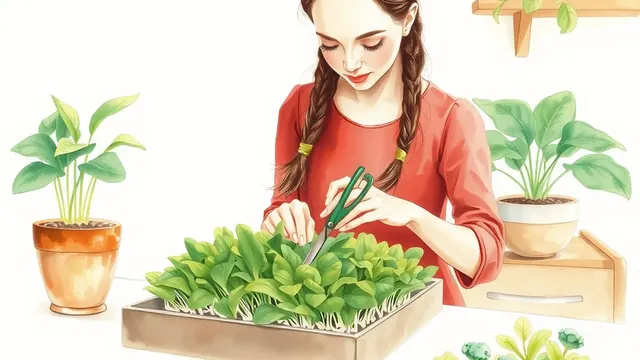
- For quick greens with even less equipment, try microgreens on a tray of soil or a grow mat.
- If you'd rather grow in soil with room for bigger crops, compare a raised bed, which takes more space but less daily checking.
- Spent hydroponic plants and roots can go into a worm bin; see apartment composting. Pour used nutrient solution out according to the product label rather than into the bin.
Something to do today
Pick one leafy green you eat often and decide where a jar would sit under light. Look at the label on any hydroponic nutrient product before you buy, so you know how it's mixed and how often it needs changing.
Want a step-by-step plan or guide?
Some people like the structure of a paid guide or set of plans. This button opens a third-party program from one of our advertising partners. Its claims are its own, not ours, so weigh them against our checklist for judging paid plans.
See the partner program →We may be paid when you click. The program shown can change. Read its terms before you buy anything. How this works
Frequently asked questions
What is the easiest hydroponic system for beginners?
A passive setup, often called the Kratky method, is one of the simplest because it has no pumps. Plants sit in a lid above a container of nutrient solution, and roots grow down into it as the level slowly drops. Countertop units with built-in lights are another easy start, though they cost more.
Can I use regular plant fertilizer in hydroponics?
Generally, no. Hydroponic nutrients are made to supply everything plants need in water, since there's no soil to fill gaps. Use a nutrient product made for hydroponics and follow the label for mixing rates.
What grows best in a beginner hydroponic system?
Lettuce, other leafy greens and herbs such as basil are the usual first crops. They grow quickly, stay small and don't need support. Fruiting crops like tomatoes are possible but need more light, space and care.