How to Prune Shrubs
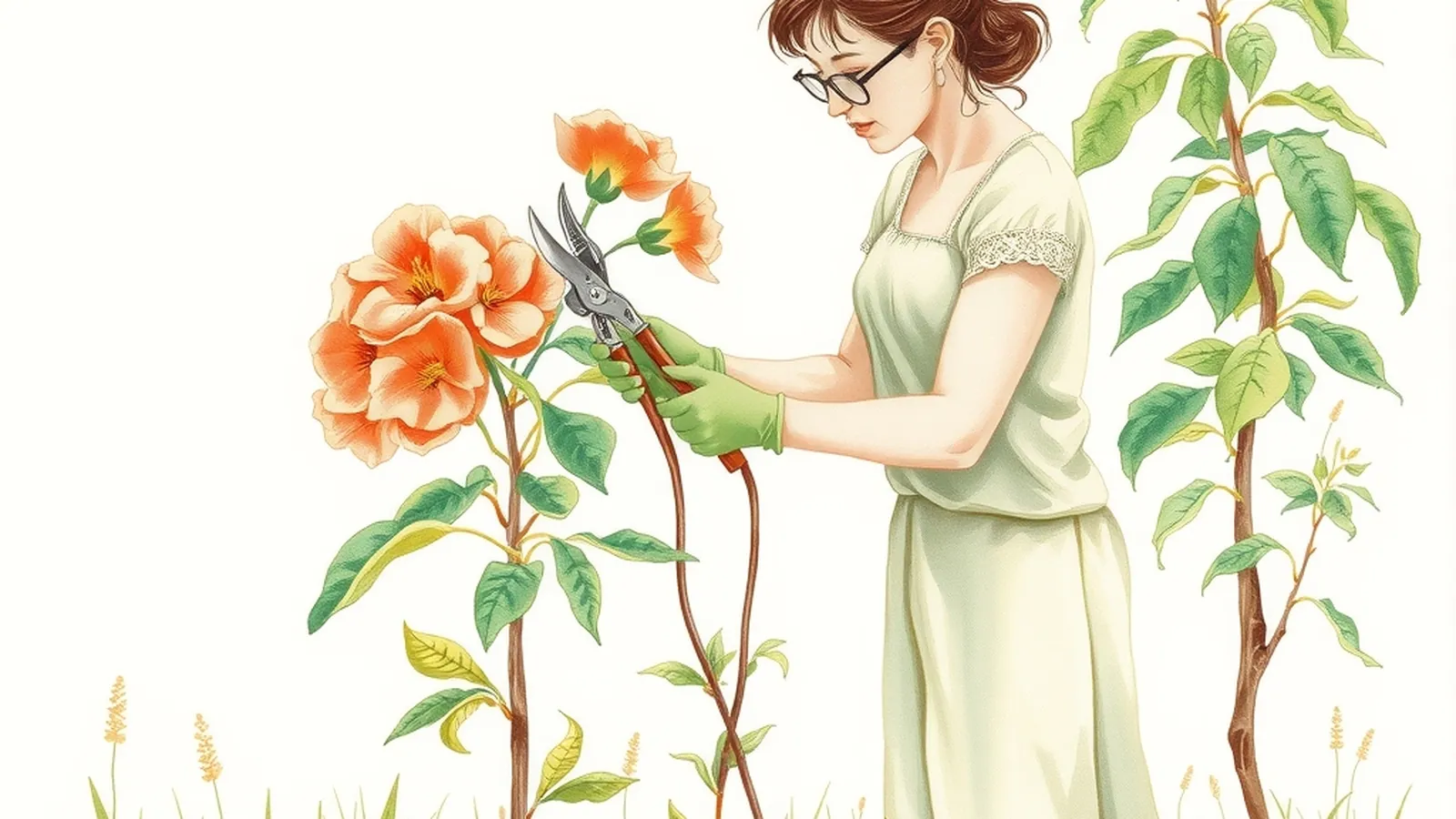
To prune shrubs well, time it by when they bloom: prune spring-flowering shrubs right after their flowers fade, and prune summer-flowering shrubs in late winter or early spring while they're dormant. Use clean, sharp tools, cut just above a bud or just outside the collar where a branch meets a larger one, and remove dead, damaged and crossing branches first. Take off only a modest amount at a time.
Pruning feels intimidating, but most shrubs are forgiving once you know a few rules. This guide in our Lawn & Yard section walks you through them.
Why prune at all?
Good reasons to prune:
- Remove dead, damaged or diseased wood.
- Improve airflow and let light into the center of the shrub.
- Keep a shrub from blocking a window, path or walkway.
- Encourage flowering or fresh growth on older plants.
- Shape a hedge.
Not a good reason: "because it's fall and everyone's doing it." Pruning at the wrong time or too heavily can do more harm than skipping it.
When to prune, by bloom time
| Type of shrub | When it blooms | When to prune | Why |
|---|---|---|---|
| Spring bloomers | Early to late spring | Soon after flowers fade | Many set next year's buds over the summer |
| Summer bloomers | Summer on new growth | Late winter or early spring, before new growth starts | They flower on this year's new stems |
| Evergreen shrubs and hedges | Grown mainly for foliage | Late winter to early spring, with light trims in early summer | Gives new growth time to harden before winter |
| Any shrub | Any | Any time, for dead, broken or diseased branches | Damaged wood should come out promptly |
If you don't know whether your shrub blooms on old or new wood, watch it for one year before you prune hard. Note when it flowers, then plan accordingly. Your local Extension office can also help identify the plant and give local timing, which varies by climate.
Tools you'll need
You don't need much. A basic pruning kit:
- Hand pruners (bypass style, with two curved blades that pass each other) for stems up to about finger thickness.
- Loppers with long handles for thicker branches.
- A pruning saw for branches too thick for loppers.
- Hedge shears only for formal hedges.
- Gloves and safety glasses.
Keep blades sharp and clean. Wipe them off after use and clean them between plants if you're cutting out diseased wood. Our guide to essential garden tools covers care and storage.
How to make a good cut
- Cut just above an outward-facing bud when shortening a stem. Angle the cut slightly so water runs off, about a quarter inch above the bud. New growth will head outward, opening the shrub.
- Cut back to a branch or the ground when removing a whole stem. Don't leave stubs, which tend to die back.
- Find the branch collar. Where a branch joins a larger one or the trunk, there's a slightly swollen ring. Cut just outside it, not flush against the trunk.
- Use the three-cut method for heavy branches. Make a small undercut a short way out from the collar, then a top cut farther out to drop the branch, and finally a clean cut just outside the collar. This stops bark from tearing.
What to cut first
Work in this order and step back often:
- The three D's: dead, damaged and diseased wood.
- Crossing or rubbing branches. Keep the better-placed one.
- Branches growing into the center of the shrub.
- A few of the oldest stems on multi-stemmed shrubs, cut to the ground, to make room for younger growth.
- Light shaping, if still needed.
What not to cut
- Don't remove too much at once. Taking off a big share of a shrub in one season stresses it. Spread major renovation over two or three years.
- Don't shear flowering shrubs into balls or boxes unless that's the look you want. Shearing removes buds and makes dense outer growth that shades the center.
- Don't top trees. Cutting the top off a tree creates weak, crowded regrowth. Hire a certified arborist for tree work.
- Don't cut spring bloomers in fall or winter if you want flowers.
- Don't prune newly planted shrubs heavily. Remove only broken branches at planting. Our guide to planting trees and shrubs explains early care.
Safety
- Wear gloves, safety glasses and long sleeves. Some shrubs have thorns or sap that irritates skin.
- Use a ladder only on firm, level ground, with a helper holding it, and don't overreach.
- Hire a professional for large trees, branches you can't reach from the ground, anything near power lines and any chainsaw work.
- Keep kids and pets away from falling branches and sharp tools.
Fitting pruning into the year
Pruning is one piece of seasonal yard care. Our lawn care basics guide has a seasonal calendar, and you can slot pruning into it: late winter for summer bloomers and evergreens, late spring for spring bloomers, and quick cleanup of storm damage whenever it happens. The fall yard cleanup checklist covers what to cut back, and what to leave standing, at the end of the season.
Example: rescuing an overgrown spring bloomer
Example: Riley moved into a house with a big, tangled spring-flowering shrub that had swallowed the front window. They waited until it finished blooming in late spring. In year one, they removed dead wood and cut about a third of the oldest, thickest stems to the ground. In year two, they removed another third, and in year three, the last of the old stems. By then the shrub was smaller, more open and still flowering each spring. Every shrub responds differently, and some older plants don't recover from heavy pruning.
Something to do this weekend
Pick one shrub in your yard and figure out when it blooms. If you're not sure, take a photo and a sample to your Extension office or a local nursery. Then remove any dead or broken branches you can reach from the ground with clean, sharp pruners, and write down the best time for its main pruning.
Want a step-by-step plan or guide?
Some people like the structure of a paid guide or set of plans. This button opens a third-party program from one of our advertising partners. Its claims are its own, not ours, so weigh them against our checklist for judging paid plans.
See the partner program →We may be paid when you click. The program shown can change. Read its terms before you buy anything. How this works
Frequently asked questions
Why didn't my shrub bloom after I pruned it?
You may have cut off the flower buds. Shrubs that bloom in spring often form next year's buds the summer before, so pruning them in fall or winter removes the flowers. Prune spring bloomers soon after they finish flowering.
Can I prune shrubs in the fall?
Light cleanup of dead or broken branches is fine any time. Heavier pruning in late summer and fall can spur tender new growth that winter damages, so many gardeners wait until late winter or right after bloom.
Should I seal pruning cuts with paint or tar?
Generally no. Clean cuts made in the right place close on their own, and coatings may trap moisture. Focus on cutting just outside the branch collar instead.