How to Declutter Your Home Room by Room
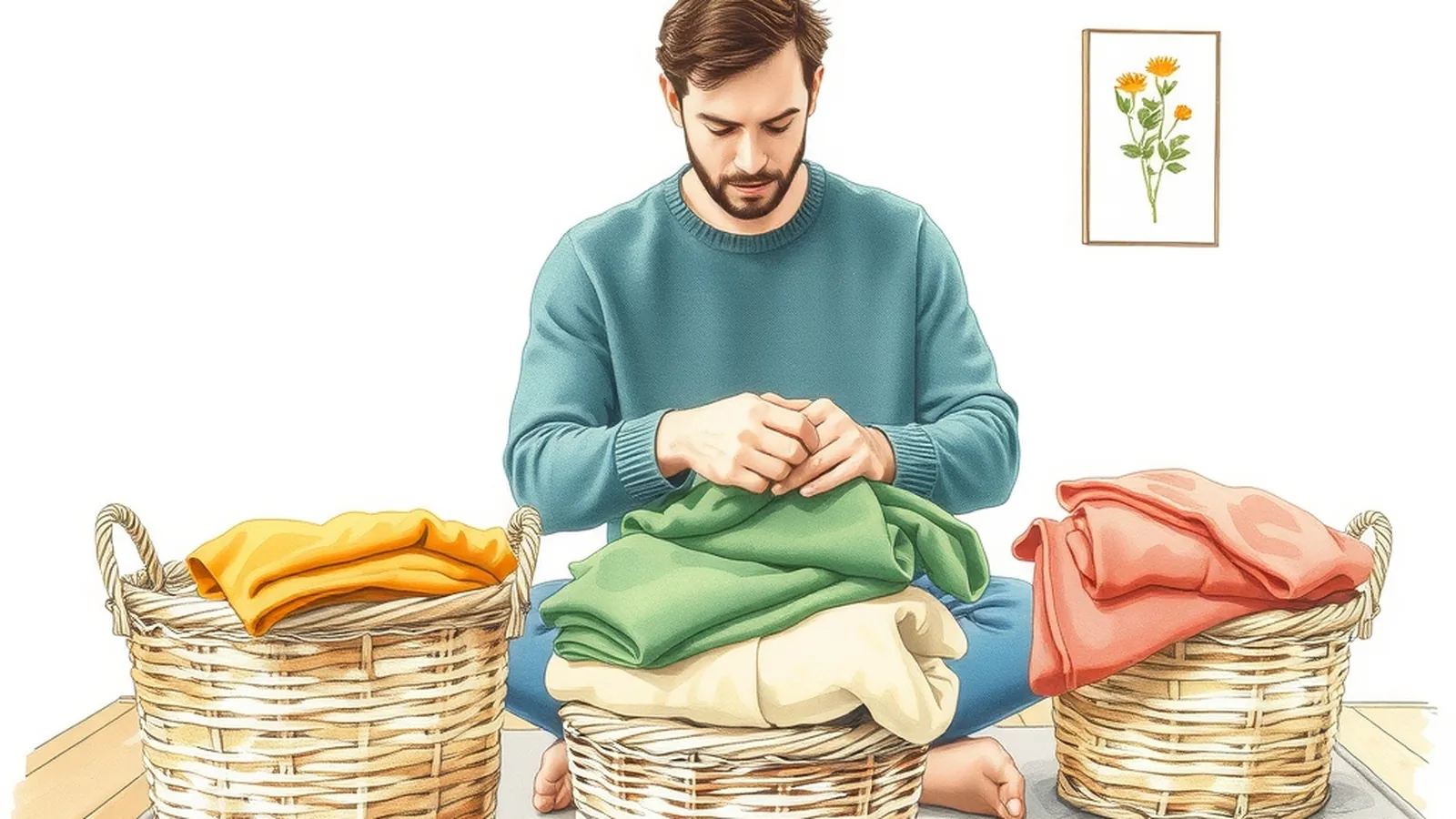
To declutter your home, work one small area at a time, sort every item into keep, donate or toss, and get the donate and toss piles out of the house the same day. Short sessions of 15 to 30 minutes are easier to stick with than an all-weekend purge, and starting with easy spaces builds the confidence you need for harder ones.
Decluttering is the first step in our Clean & Organized Home guides, because every cleaning and organizing job goes faster when there's less to move around. Here's how to do it without feeling overwhelmed.
Set up before you start
You need three containers and a plan for where things go next.
- Keep: items you use, need or truly love, which go back in a home of their own.
- Donate: clean, working items someone else could use. Use a bag or box you can carry straight to your car.
- Toss: broken, stained, expired or unsafe items, plus recycling.
Add a fourth small basket for "belongs elsewhere." Don't walk each item to its room as you go. Empty the basket at the end of the session instead, or you'll get pulled into a different space.
Decide on a donation drop-off before you begin. If the bag has nowhere to go, it tends to sit in a hallway for weeks.
The questions that make decisions easier
When you pick up an item and freeze, ask:
- Have I used this in the past year?
- Would I buy it again today?
- Do I have another one that does the same job?
- If it vanished, would I notice?
- Am I keeping it out of guilt or "just in case"?
If the answer points toward letting go but you still hesitate, put it in a dated "maybe" box. If you haven't opened the box in a few months, donate it without looking inside.
Room by room: a sensible order
Move from easy, low-emotion spaces to harder ones. Each step trains your decision-making for the next.
| Order | Space | Start with | Common things to let go |
|---|---|---|---|
| 1 | Bathroom | One drawer or cabinet | Expired products, old makeup, extra freebies |
| 2 | Entryway | Shoes and coats | Shoes that hurt, extra bags, broken umbrellas |
| 3 | Kitchen | Utensil drawer | Duplicate tools, chipped mugs, lidless containers |
| 4 | Living room | Surfaces and shelves | Old magazines, cords for devices you no longer own |
| 5 | Bedroom closet | One clothing category | Things that don't fit or haven't been worn |
| 6 | Storage areas | One shelf or bin | Forgotten boxes, broken items "to fix someday" |
| 7 | Sentimental items | One small box | Duplicates, items you can photograph instead |
Expired medicines and household chemicals need care. Don't pour chemicals down the drain or mix them together while you're sorting. Check your local waste program for drop-off days for paint, batteries and similar items.
How to avoid overwhelm
Most decluttering projects stall because they start too big. These habits help:
- Set a timer. Fifteen minutes on one drawer is a real accomplishment.
- Finish what you open. Don't start a second area until the first is sorted and put back.
- Stop while you still have energy. Ending on a good note makes it easier to start tomorrow.
- Take the piles out right away. Donations go to the car, trash goes outside.
- Don't buy storage yet. Wait until you know what you're keeping, or you'll organize clutter instead of clearing it.
Example: a two-week plan
This is a fictional example. Riley lives in a one-bedroom rental and feels buried by stuff after a move. They set aside 20 minutes each weeknight for two weeks.
- Week one: bathroom cabinet, bathroom drawers, entry shoes, coat hooks, utensil drawer.
- Week two: food storage containers, coffee table and shelves, one closet category per night.
At the end of each night, Riley carries the donation bag to their car and drops it off on Saturday. By the second weekend, the kitchen drawers close easily and the closet has room to see what's in it. Sentimental boxes wait for a later month.
Shared homes and other people's things
You can only declutter your own things. Pushing roommates, partners or family to get rid of their belongings usually backfires. Instead, clear your own spaces first and agree on rules for shared areas, like "nothing stays on the dining table overnight." When others see the difference, they're often more willing to join in.
After you declutter: keep it from coming back
Clutter returns when items don't have a home, or when more comes in than goes out.
- Give every kept item a specific spot, and label shelves or bins if it helps.
- Keep a donation bag in a closet and drop in items as you notice them.
- Try a one-in, one-out habit for clothes, mugs and similar categories.
- Do a five-minute surface reset each evening as part of your cleaning schedule.
Once a room is cleared, it's the perfect time to clean it properly. Shelves and counters that have been covered for months are easy to reach now, and our guide to natural cleaning covers mild products for that first wipe-down. If you started with the kitchen, carry the momentum into our kitchen organization guide, which shows how to set up zones so the space stays usable.
A word on paid decluttering programs
You'll see courses, challenges and coaching plans that promise a transformed home. Some offer useful structure, but you don't need to pay to declutter, and results vary from home to home. If you're tempted, the questions in our article on whether paid garden courses are worth it apply to any paid program: what exactly you get, what free options exist and what the refund terms are.
Something to do today
Grab three bags, set a timer for 15 minutes and clear one bathroom drawer or cabinet. Put the donate bag in your car and the toss bag outside before you do anything else. That single small space is proof the method works, and tomorrow you can do one more.
Want a step-by-step plan or guide?
Some people like the structure of a paid guide or set of plans. This button opens a third-party program from one of our advertising partners. Its claims are its own, not ours, so weigh them against our checklist for judging paid plans.
See the partner program →We may be paid when you click. The program shown can change. Read its terms before you buy anything. How this works
Frequently asked questions
Which room should I declutter first?
Start with a small, low-emotion space you use every day, such as a bathroom cabinet or the entryway. A quick win there builds momentum for harder rooms like bedrooms and storage areas.
What should I do with sentimental items?
Leave them for last, once you've practiced deciding on easier things. Keep the pieces that matter most, and consider taking photos of items you want to remember but don't need to store.
How do I get rid of things responsibly?
Donate clean, working items, recycle what your local program accepts, and toss only what's truly broken or unsafe. Check local rules for electronics, batteries, paint and chemicals, which often need special drop-off.