How to Deep Clean a Kitchen
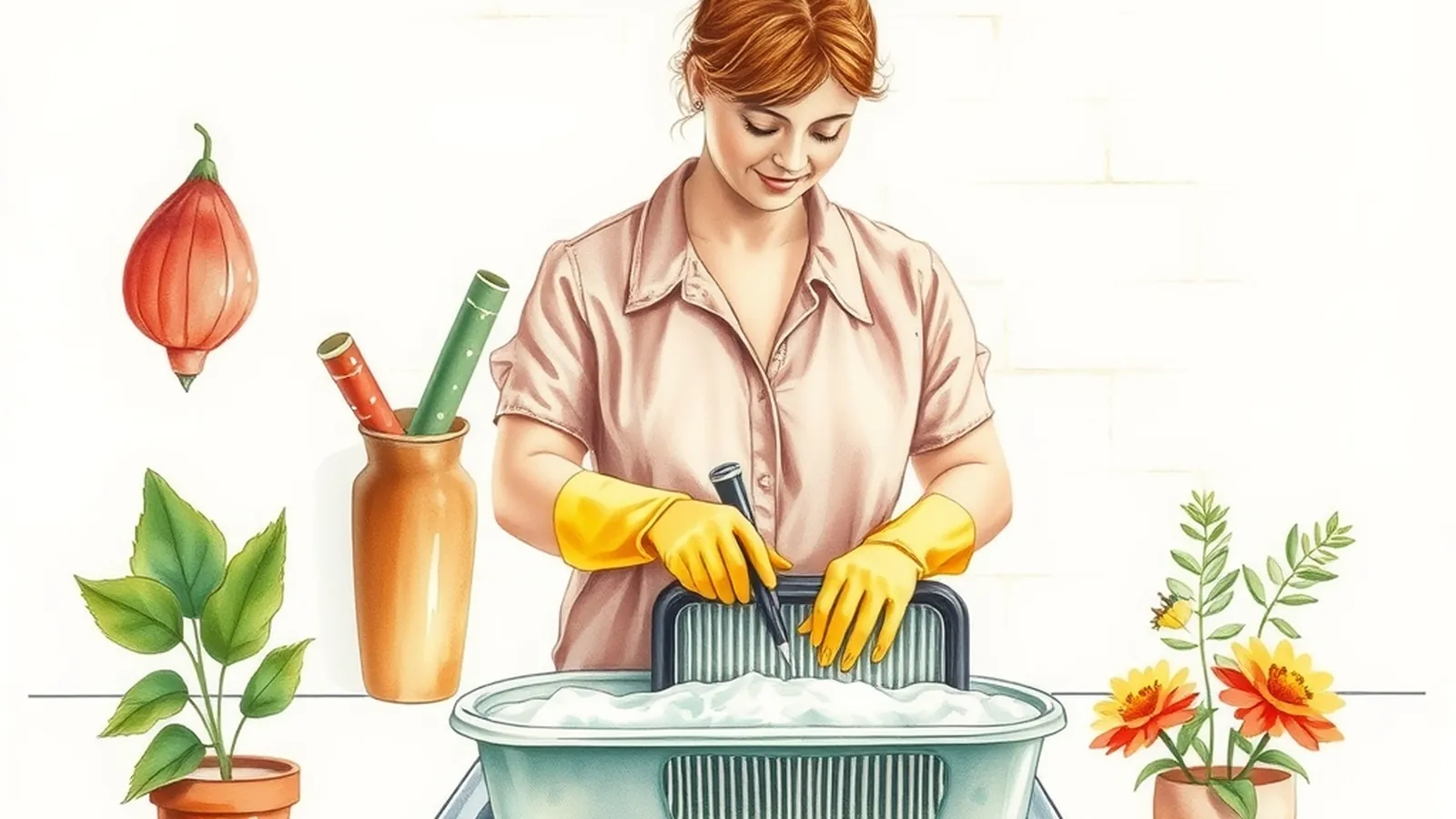
To deep clean a kitchen, work from the top down and from dry to wet: dust high surfaces first, then clean cabinets, walls and appliances, then counters and the sink, and finish with the floor. That order means dirt only falls onto areas you haven't cleaned yet. Empty each cabinet or appliance before cleaning it, and use one cleaning product at a time.
A deep clean goes beyond the weekly wipe in our Clean & Organized Home section. Plan it for a few times a year, or when you move into a new place.
Before you start
- Clear the counters so you have room to work.
- Gather supplies: microfiber cloths, a scrub brush, a non-scratch sponge, dish soap, baking soda, an all-purpose cleaner and a degreaser if you use one.
- Open a window or run the hood fan.
- Wear gloves, and add eye protection when spraying overhead or using strong cleaners.
- Use a sturdy step stool for high cabinets, not a chair.
- Never mix cleaners. Combining bleach with ammonia or acids makes toxic gas. Our natural cleaning guide explains the rule and which mild products suit which surfaces.
The top-to-bottom order
- Ceiling corners, light fixtures and the tops of cabinets.
- Range hood and its filter.
- Upper cabinets, inside and out.
- Walls and backsplash.
- Appliances: fridge, microwave, oven and stovetop, dishwasher.
- Lower cabinets and drawers.
- Counters and sink.
- Trash can.
- Baseboards and floor.
High surfaces and the range hood
Dust ceiling corners and light fixtures with a microfiber duster. The tops of cabinets often collect a sticky mix of dust and grease. Soften it with warm soapy water, wait a few minutes and wipe.
Many range hoods have a removable metal filter. Check the manual, then soak it in hot water with dish soap and scrub gently with a soft brush. Rinse and let it dry fully before putting it back. Some hoods use charcoal filters that need replacing rather than washing.
Cabinets and walls
Empty one cabinet at a time. Vacuum crumbs, wipe shelves with warm soapy water and dry them. Wipe cabinet doors and handles, which collect fingerprints and grease. Test any cleaner on a hidden spot first, since some finishes are sensitive.
For walls and backsplashes, a damp cloth with a little dish soap works for most painted walls and tile. Rinse with a clean damp cloth.
Appliances
Fridge. Move perishables to a cooler while you work. Remove food, toss anything expired, and take out shelves and drawers. Wash removable parts in warm soapy water, letting cold glass shelves warm up first so they don't crack. Wipe the inside, dry everything and restock. Vacuum the front grille or coils if your model allows, following the manual.
Microwave. Heat a microwave-safe bowl of water for a few minutes so the steam loosens splatters. Let it cool slightly before opening, then wipe.
Oven and stovetop. Follow your oven's manual. For manual cleaning, a paste of baking soda and water can sit on the oven floor and door glass for a while before you wipe it off. Remove stove grates and burner parts that are designed to come off, and soak them in hot soapy water. If you have a gas stove and ever smell gas, leave the home and call your gas utility from outside.
Dishwasher. Pull out the filter if your model has one, rinse it and wipe the door seal and edges. Follow the manual for any cleaning cycle.
Lower cabinets and under the sink
Empty and wipe just like the uppers. Under the sink, check for leaks, drips or a musty smell. If you find moisture, fix the source before you restock. Our mold and mildew guide explains what to do if you spot growth. Store cleaners in their original containers, away from food and out of reach of children and pets.
Counters, sink and trash
Clear counters and wipe with a cleaner suited to your countertop. Natural stone often needs a pH-neutral product rather than vinegar. Scrub the sink with baking soda and a sponge, then rinse well. Wash the trash can outside or in a tub, and let it dry before adding a new bag.
Floors last
Vacuum or sweep, getting under the fridge and stove edges as far as you safely can. Wipe baseboards. Then mop with a cleaner suited to your floor type, wringing the mop well on wood or laminate.
Deep clean checklist
| Area | Done |
|---|---|
| Ceiling corners and fixtures | |
| Cabinet tops | |
| Range hood and filter | |
| Upper cabinets, inside and out | |
| Walls and backsplash | |
| Fridge inside and out | |
| Microwave | |
| Oven, stovetop and grates | |
| Dishwasher filter and seals | |
| Lower cabinets and drawers | |
| Under the sink | |
| Counters and sink | |
| Trash can | |
| Baseboards and floor |
Example: a two-day deep clean
This is a fictional example. Taylor has a busy weekend but wants a fresh kitchen. On Saturday morning, they handle high surfaces, the range hood and the fridge. Sunday afternoon, they clean the oven, cabinets, counters and floor. Splitting it in two kept each session under a few hours.
Next steps
The same top-down approach works in the bathroom, and our bathroom cleaning guide has a faster routine you can use every week. If your deep clean showed you cabinets are overflowing, our small-space storage ideas can help you fit more in without crowding counters.
Small spots people often miss
- Cabinet and drawer pulls: these collect grease and fingerprints. Wipe with soapy water and dry.
- The tops of the fridge and microwave: dust and grease mix into a sticky film. Use warm soapy water and let it soak briefly.
- Light switches and outlet covers: wipe with a barely damp cloth only, never spray directly.
- Small appliances: wipe the toaster, kettle and coffee maker. Unplug them first, empty toaster crumbs over the sink and follow each manual.
- The gap beside the stove: a long, thin brush or a vacuum crevice tool reaches crumbs that fall there.
- Dish racks and sponge holders: soak and scrub, since they stay damp.
Keeping it clean afterward
A deep clean lasts longer when the daily reset carries it. Wipe counters and the stovetop after cooking, clean spills in the fridge when they happen, and empty the trash before it overflows.
Something to do this weekend
Pick just two items from the checklist, such as the range hood filter and the fridge. Clean both thoroughly, then tick them off. Next weekend, do two more, and in a month the whole kitchen will have had a deep clean without a single exhausting day.
Want a step-by-step plan or guide?
Some people like the structure of a paid guide or set of plans. This button opens a third-party program from one of our advertising partners. Its claims are its own, not ours, so weigh them against our checklist for judging paid plans.
See the partner program →We may be paid when you click. The program shown can change. Read its terms before you buy anything. How this works
Frequently asked questions
How often should I deep clean my kitchen?
A few times a year works for most households, with a regular weekly clean in between. Busy kitchens or homes with pets may need it more often.
How long does a kitchen deep clean take?
It depends on the size of the kitchen and how long it's been, but plan for a few hours. You can also split it over a weekend, doing appliances one day and cabinets and floors the next.
Should I use the self-clean setting on my oven?
Follow your oven's manual. Self-cleaning cycles run very hot and can produce smoke and fumes, so ventilate well and keep pets, especially birds, away from the kitchen while it runs.